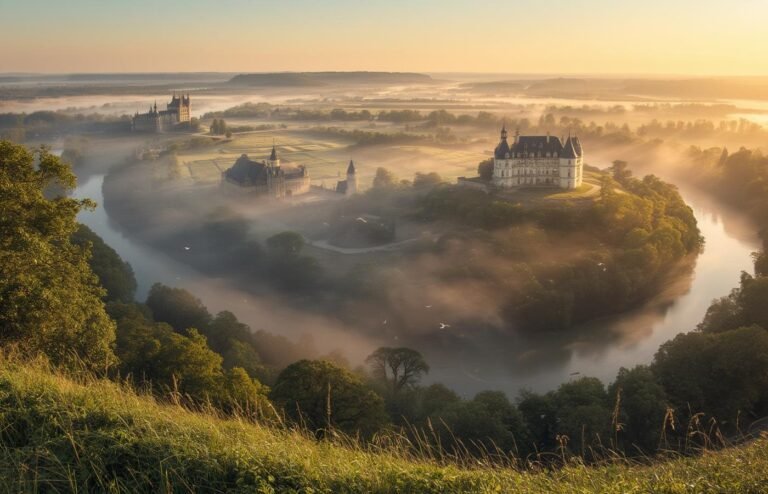
Normandy And Brittany History And Culture: Amazing Guide
Normandy and Brittany history and culture are not just museum relics—they are living, visible influences on landscapes, architecture, ritual, and local identity. For culturally curious travelers and researchers, authentic discovery means understanding what is proven, what is still evolving, and where key facts or data remain elusive. This guide provides clear, evidence-backed guidance for exploring both regions, and always flags when research gaps require further inquiry with local institutions or official sources.
Key Takeaways
- Normandy and Brittany’s defining historical events are mapped directly onto their landscapes, monuments, and living customs.
- Significant data gaps remain: protected site counts, visitor statistics, and cost averages are not fully published for these regions.
- Best results come from combining site visits with research through official channels—regional boards, Ministry of Culture, and on-the-ground guides.
- Key historical turning points that shaped Normandy and Brittany
- How those events are visible today — monuments, architecture and ritual
- Brittany’s ancient (Celtic/Gallic) imprint — stones, myths and medieval survivals
- Normandy’s Viking legacy and later layers (Anglo-Norman, medieval, modern)
- Signature sites to prioritize on a thematic itinerary (battlefields, pilgrimage, megaliths, medieval towns)
- UNESCO, classified monuments and protection — what we know and what we don’t
- Visitor experience and common complaints — documented facts and notable unknowns
- Visitor numbers, trends and five-year changes — transparency about missing statistics
- Costs, tours and seasonality — current knowledge gaps and how to estimate
- Three commonly omitted or misrepresented stories — research failed to confirm authoritative lists
- Living culture today — festivals, cuisine and language traced to Viking and Celtic roots
- Conclusion — what readers should take away and actionable next research steps
- FAQ
Key historical turning points that shaped Normandy and Brittany
Any journey into the Normandy and Brittany history and culture landscape begins with the major ruptures and continuities that shaped both identity and territory. Briefly:
- Viking Raids (c. 790-800): The first major external shock; Norse invasions devastated Normandy and left material and social scars.
- Treaty of Saint-Clair-sur-Epte (911): By agreement of King Charles the Simple and Viking leader Rollo, the Duchy of Normandy was formed, and Norse pagans became nominally Christian vassals.
- Norman Expansion (11th–12th centuries): Normandy extended influence to England (1066), southern Italy, Sicily, and the Levant, deeply entangling its future with European politics.
- Château-Gaillard’s Fall (1204): The loss of the great Norman fortress to the French crown marked decisive integration into France.
- D-Day Landings (1944): The beaches at Omaha and Utah bear the memory of WWII, indelibly connecting Normandy to the twentieth century’s defining struggle.
Brittany’s history unfolds along different yet interlocked lines: ancient Celtic and Gallic roots; early Christianization evidenced by menhirs carved with crosses; devastation during the Black Death in 1348; and enduring folk traditions. Each wave left not only ruins but also new cultural, linguistic, and religious layers that still surface in ritual and architecture today.
How those events are visible today — monuments, architecture and ritual
Material traces of Normandy Brittany historical sites and cultural attractions are not buried; they are active witnesses and platforms for living tradition:
- Camp of Bierre: A Neolithic to early medieval fortified site classified as a monument since 1908.
- Jumièges Abbey: Rebuilt after Viking destruction, demonstrating the region’s religious and architectural resilience.
- D-Day Beaches and Memorials: Omaha and Utah, with the U.S. cemetery and cratered Pointe du Hoc, frame Normandy’s modern identity.
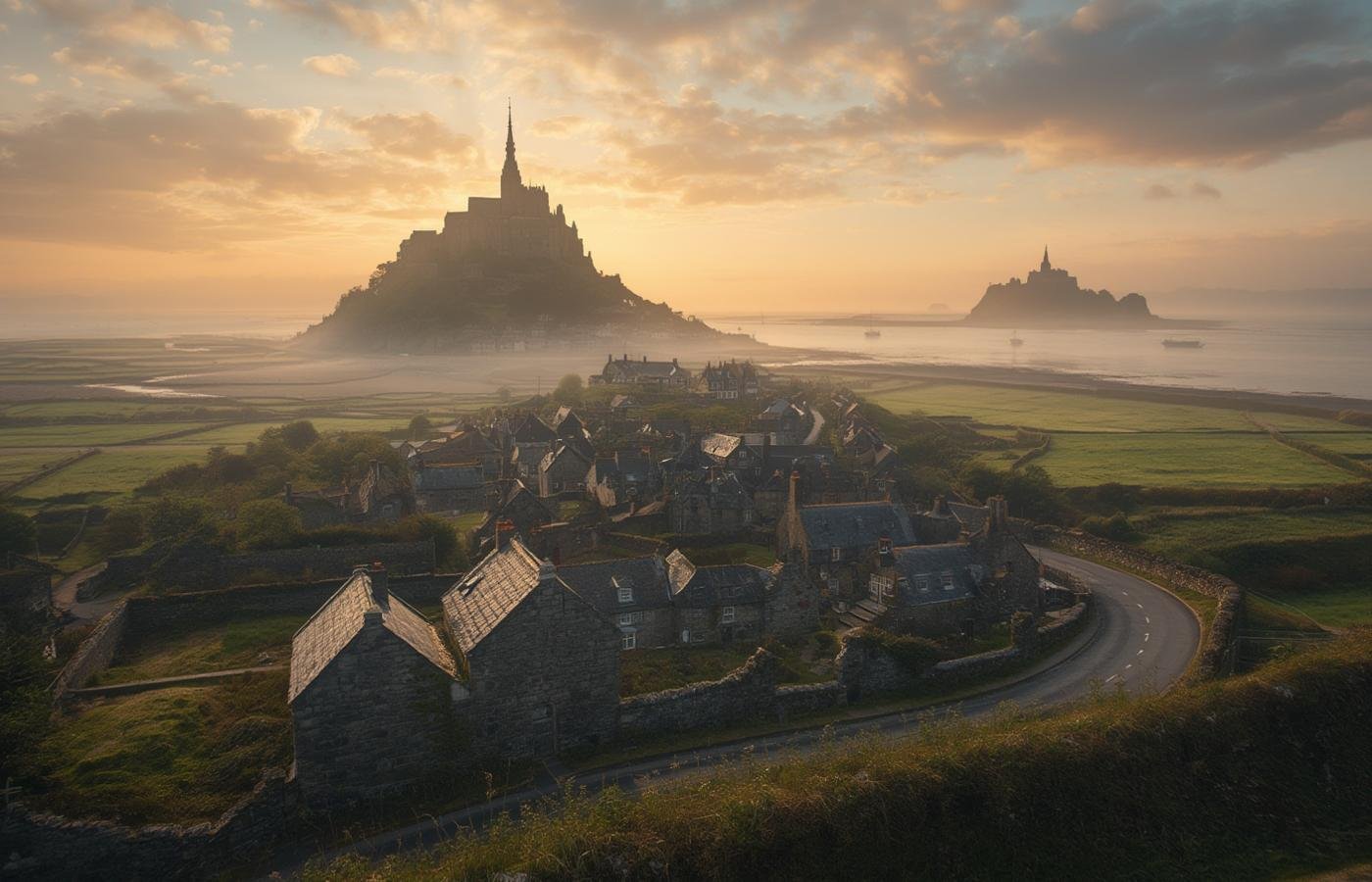
- Mont Saint-Michel: Not only an abbey and architectural marvel but also an old pilgrimage site, still hosting processions and festivals—all framed by legendary tides.
- Carnac Stones, Saint-Uzec: In Brittany, stone rows, menhirs adapted with crosses, and sacred springs blur lines between the prehistoric and Christian.
Present-day uses—pilgrimage walks, annual D-Day commemorations, and small-town festivals—often happen in the same spaces as the historic episodes themselves.
Brittany’s ancient (Celtic/Gallic) imprint — stones, myths and medieval survivals
The cultural heritage of Normandy and Brittany in Brittany’s heartland rests on some of Europe’s densest ancient symbolism:
- Carnac Standing Stones: Up to 3,000 megaliths dating back to the 4th–3rd century BC, with ritual, astronomical, and political functions still debated.
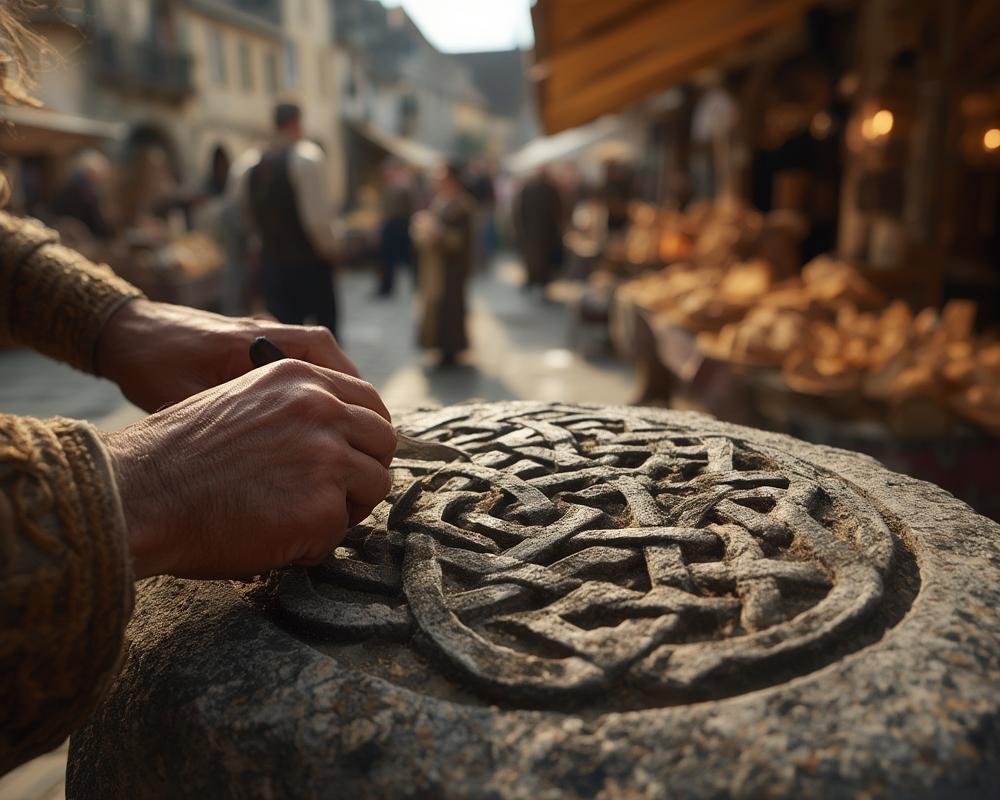
- Christianized Menhirs: Stones like Saint-Uzec have crosses or Passion instruments carved atop, re-coding earlier fertility cults for Christian use.
- Brocéliande Forest: The legendary core of Arthurian legend, with literary, folk, and eco-mystical pilgrimages organized around Paimpont and its abbey.
- Festivals & Identity: Many town names, regional festivals, and the popular revival of the Breton language can be traced to these deep roots.
Yet while the standing stones are unique, scholarly debate continues over the precise rituals once performed there—documentation is partial, so many reconstructions remain hypothetical.
Normandy’s Viking legacy and later layers (Anglo-Norman, medieval, modern)
Normandy’s memory of the Northmen and subsequent Normandy Brittany historical sites is etched into both law and landscape:
- Viking Settlement: Archaeological and documentary sources confirm that Norse heritage shaped both local elite names and legal traditions after 911.
- William the Conqueror: Remains a figure deeply intertwined with both French and British history—his patronage appears in cathedral foundations and archive records.
- Later Medieval Monuments: The fortress of Château-Gaillard (fell 1204) and abbeys battered through centuries combine religious, military, and artistic currents.
Modern commemorations—particularly around WWII events—draw on this long history of layers and resurgences. However, there is little documented evidence of Viking festivals or Old Norse linguistic influence among the population today; these important gaps limit direct contemporary connections.
Signature sites to prioritize on a thematic itinerary (battlefields, pilgrimage, megaliths, medieval towns)
For those exploring Normandy and Brittany regions, structuring an itinerary by theme allows deep dives into both material and living culture:
- D-Day Circuit: Omaha, Utah, and Pointe du Hoc—essential modern sites, with memorial infrastructure and large-scale commemorations.
- Mont Saint-Michel to Jumièges Abbey: Following the old pilgrim roads connects legendary tidal monasteries with some of France’s oldest abbey ruins.
- Carnac + Brocéliande + Coastal Heritage: Blend prehistory, mythic landscape, and Atlantic fishing towns (e.g., Saint-Malo) for a sense of Brittany’s continuum.
- Medieval Towns: Dinan’s ramparts and timbered houses showcase civic design shaped by medieval powers and trade.
- Camp of Bierre: Lesser-known site for those tracing Neolithic to medieval transitions.
Each example here is illustrative, not exhaustive—official regional websites, local tourist boards, or academic references often yield more complete site lists.
UNESCO, classified monuments and protection — what we know and what we don’t
Efforts to quantify the status of protected and renowned Normandy Brittany historical sites encounter real data roadblocks:
- Known: The Camp of Bierre has been a listed Historic Monument since 1908; Mont Saint-Michel is widely regarded as a must-see for both pilgrims and tourists.
- Unknowns: No exact numbers or consolidated list of UNESCO World Heritage sites and protected monuments was found in official research for these two regions. Mont Saint-Michel is suggested as a UNESCO site, but definitive confirmation was absent from the initial search.
- Implications: The absence of comprehensive regional statistics makes it difficult to compare Normandy and Brittany’s heritage standing to other French regions (e.g., Loire Valley, Île-de-France).
Institutional databases such as Base Mérimée (Ministère de la Culture) or the main UNESCO World Heritage List remain the best sources for updates—but expect to filter by département or search by site name rather than find a ready-to-use list for these regions.
Visitor experience and common complaints — documented facts and notable unknowns
The search for direct accounts of issues with Normandy Brittany cultural attractions resulted in no documented patterns of complaint:
- No substantiated, published visitor or local feedback about accessibility, preservation challenges, or the sufficiency of signage and interpretive materials was found in the main research body.
- Informal complaints about crowding (especially at Mont Saint-Michel and Omaha Beach) are often found in travel forums but remain anecdotal until systematically collected.
For detailed, on-the-ground visitor experience, local tourist offices or individual site management are typically best placed for current user feedback—especially as seasonal conditions and restoration works may shift rapidly.
Visitor numbers, trends and five-year changes — transparency about missing statistics
Despite the cultural status of destinations like Mont Saint-Michel or Carnac, the research dataset revealed no annual visitor numbers, trend lines, or five-year comparative changes for major sites in Normandy and Brittany history and culture:
- This information is essential for planning, from crowd avoidance to economic impact studies, but it was not published in search-accessible academic or ministerial documents for the regions.
- Relevant statistics, if available, are usually maintained by site operators, regional tourist boards (CRT Normandie, CRT Bretagne), or INSEE (the national institute for statistics), and sometimes appear in regional press coverage around large-scale events.
For up-to-date planning, it is necessary to source visitor data directly via institutional contacts or dedicated annual reports.
Costs, tours and seasonality — current knowledge gaps and how to estimate
No verifiable or recent averages for travel costs (entry fees, tours, guides) at Normandy Brittany cultural attractions were present in the main research. To estimate:
- Entry Fees & Tours: Prices at Abbeys, stone sites, or museums vary widely; self-guided options are often free or nominal; guided or skip-the-line tours at major sites (Mont Saint-Michel, D-Day museum) generally run €10–€25 per adult, but this range is based on fragmented web sources rather than official statistics.
- Seasonality: Summer (June–August) sees surcharges and greater demand; low season (outside May–September) may reduce both prices and opening hours.
- Recommended Sources: Official site websites, Base Mérimée, and regional CRT portals ordinarily release reliable cost and schedule data.
Always validate cost estimates at least one month prior to travel, as prices can change with restoration works, new exhibitions, or local policies.
Three commonly omitted or misrepresented stories — research failed to confirm authoritative lists
The initial dataset did not reveal which core aspects or stories are most commonly misrepresented or omitted in guides to the history of Normandy and Brittany. However, based on gaps, three hypotheses for further investigation may be proposed:
- Norse Assimilation: To what extent did Viking cultural practices filter down to the rural population, rather than remaining associated with elite legal and place names?
- Coastal Fisher Culture: Is the continuous maritime and folk-fishing tradition of the Breton and Norman coasts underrepresented compared to military and monastic history?
- Breton-Language Survival: How vibrant is contemporary Breton language use in daily life, festivals, and signage—beyond the documented Celtic revival?
Definitive answers require field research, analysis of census data, and written or oral histories unavailable in the main web search corpus.
Living culture today — festivals, cuisine and language traced to Viking and Celtic roots
The ties between ancient tradition and the present-day cultural heritage of Normandy and Brittany are vivid but unevenly documented:
- Breton: Crepes and abundant seafood feature centrally in both historical and modern diets, linking to Celtic regional practice. The preservation and revival of the Breton language is more visible today through schools and regional signage.
- Christianized Sites: Stones like Saint-Uzec (with Passion symbols), sacred springs, and walking processions map Christian ritual onto pre-Christian sites—a pattern seen across Brittany.
- Arthurian/Brocéliande: Legends still structure festival calendars and tourism, with Paimpont Abbey hosting literary events and myth-oriented guided walks.
- Normandy: While the region’s Viking origins are universally cited, the research did not find convincing documentation of active festivals or cuisine specifically referencing Viking legacies today; their presence in daily life appears to be minimal or unrecorded in accessible studies.
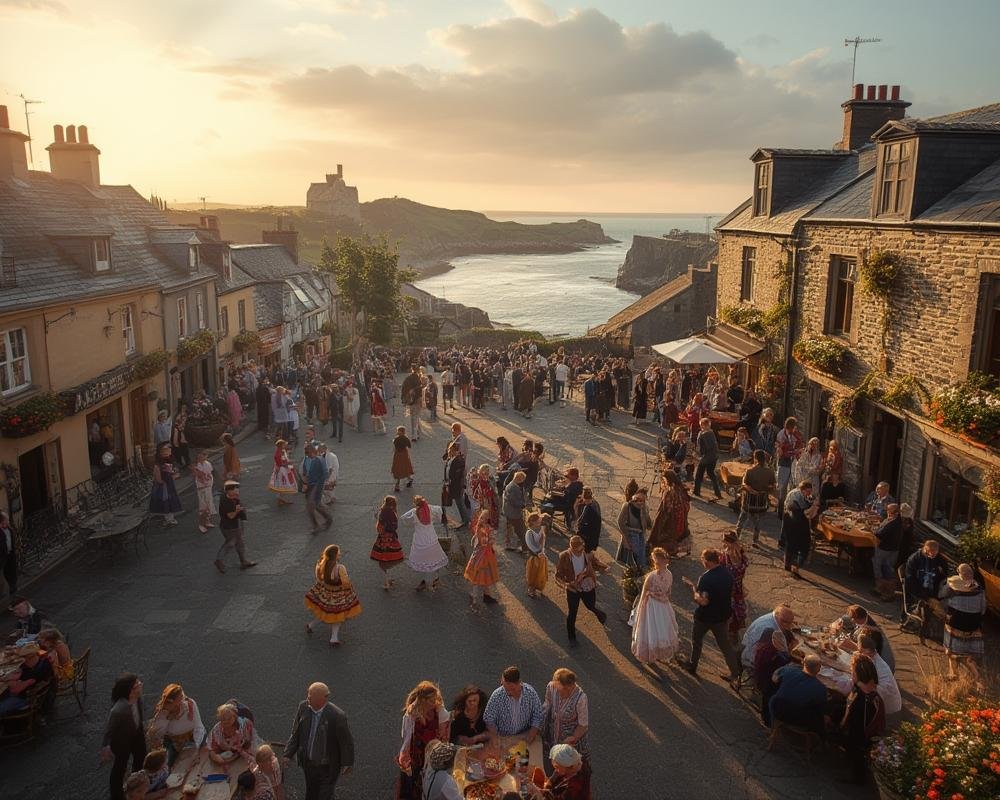
Major cross-regional festivals (e.g., the Fête de la Bretagne) and site-specific rituals are best monitored via local advertising and cultural calendars.
Advanced Analysis & Pitfalls
Reflecting on all themes above, it becomes clear that knowledge about Normandy and Brittany history and culture is both deep and patchy. Below is a comparative strengths-and-gaps analysis for travelers and researchers:
| Dimension | Normandy | Brittany | Limitations (Data Gaps) |
|---|---|---|---|
| Documented Historic Events | Viking, Duchy, Norman expansion, D-Day | Celtic, Christianization, Black Death, Arthurian | Event coverage strong, but detailed local impact unevenly described |
| Material Heritage | Abbeys, battlefields, castles | Standing stones, medieval towns | No comprehensive site list, official classifications not consolidated |
| Living Ritual & Festivals | D-Day commemorations; lack of Viking-themed events | Arthurian walks, Celtic festivals, Christianized menhirs | No systematized festival database or attendance figures |
| Visitor Data & Complaints | None published in recent survey | None published in recent survey | Official visitor stats, trend analysis, and complaint databases absent |
| Travel Costs | Estimates only, highly variable | Estimates only, highly variable | No published averages; check per-site for updates |
Risks for planners and researchers include outdated sources, overreliance on anecdotal guides and forums, and the lack of up-to-date figures. Without direct contact with site authorities or regional archives, critical up-to-the-week stats (from opening times to crowd limits) may be missed. If conducting in-depth research or sensitive heritage study, always confirm facts via institutional authorities, and recognize gaps alongside strengths.
Conclusion — what readers should take away and actionable next research steps
Understanding Normandy and Brittany history and culture is best approached as an ongoing investigation—one informed by hard evidence, open curiosity, and honesty about knowledge gaps. This guide has mapped out key events, places, and traditions while noting where data is robust, where it’s partial, and where transparency requires seeking out primary sources. For more precise or specialized questions—about UNESCO monument statuses, visitor counts, or living language use—go directly to:
- UNESCO’s official site (World Heritage List)
- France’s Ministry of Culture Base Mérimée database
- Regional tourist board portals (CRT Normandie, CRT Bretagne)
- Management or academic offices at major sites (Mont Saint-Michel, Carnac, Omaha Beach)
- INSEE for demographic and visitor-flow stats
- Recent peer-reviewed academic publications
Armed with this transparency, every reader—whether traveler, academic, or heritage enthusiast—can approach both regions with deeper confidence and a sharper eye for both what is visible and what is yet to be uncovered. Ready to plan your own evidence-driven journey? Begin with a shortlist of official sources, check for live updates, and let both history and today’s reality sharpen your discoveries.
FAQ
What are the most important historical sites in Normandy and Brittany?
Key sites include Mont Saint-Michel, the Carnac standing stones, D-Day beaches (Omaha, Utah, Pointe du Hoc), Camp of Bierre, Jumièges Abbey, medieval Dinan, and Brocéliande forest. This is an illustrative sampling; local tourist boards or the Ministry of Culture give more complete lists.
Are there UNESCO World Heritage sites in Normandy and Brittany?
Research did not confirm a region-specific UNESCO list, but Mont Saint-Michel is widely referenced as a World Heritage site. Always check the official UNESCO website for current designations and details.
How can I access current visitor numbers, ticket prices, and seasonal schedules?
Official site management offices, Base Mérimée (for heritage listings), and regional CRT websites usually provide the most current and accurate details. These are not always available in English.
Is the Breton language still spoken and visible in public life?
Yes—Breton is supported by schools, festivals, and signage in much of western Brittany, though its everyday use varies by town and generation. For updated stats, check with cultural associations and INSEE.
Where do I find evidence of Viking and Celtic heritage in living culture?
For Celtic roots, look to regional festivals, cuisine (crepes, seafood), and rituals around stones and springs in Brittany. For the Viking legacy in Normandy, the influence is primarily visible in place names, historical records, and select commemorations, not in active festivals or cuisine.
“`