
French Cuisine: A Culinary Journey Through France’s Regions
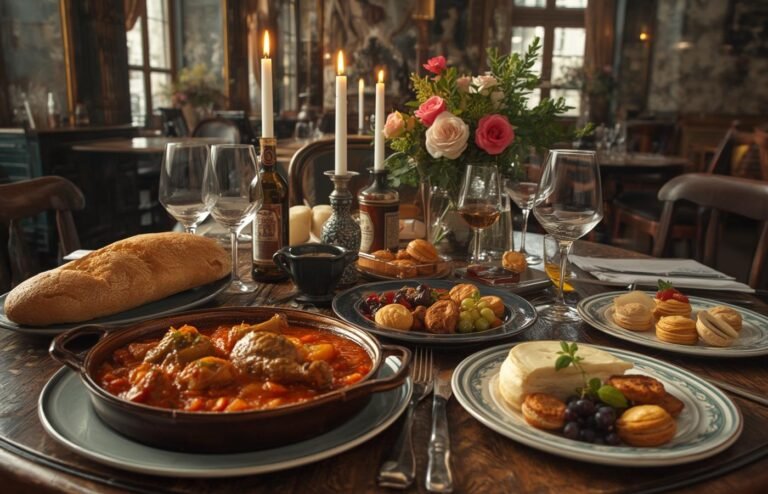
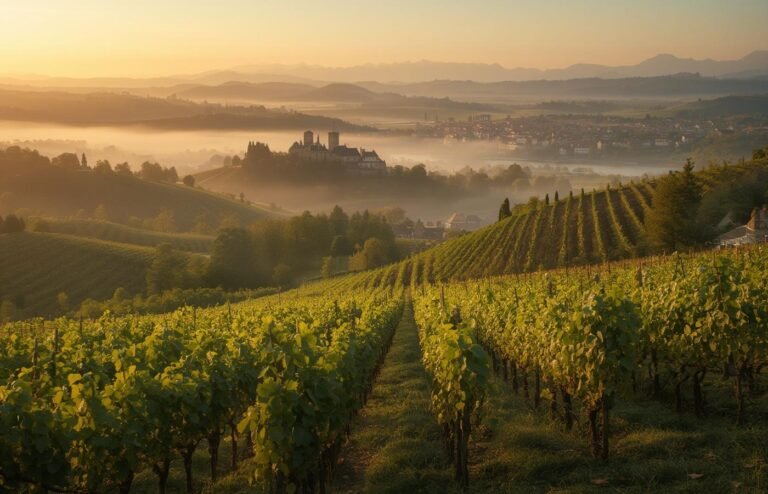
When you think of world-class gastronomy, French cuisine immediately comes to mind as the gold standard of culinary excellence. This sophisticated food culture has shaped global cooking traditions for centuries, offering an extraordinary tapestry of flavors, techniques, and regional specialties that continue to captivate food lovers worldwide. From the bustling bistros of Paris to the sun-soaked vineyards of Provence, France presents a culinary landscape so rich and diverse that every meal becomes an unforgettable experience.
French Cuisine: A Culinary Journey
France’s gastronomic heritage represents far more than just food – it’s a cultural institution that reflects the country’s history, geography, and passionate dedication to culinary artistry. Each region tells its own delicious story through distinctive ingredients, time-honored cooking methods, and recipes passed down through generations of master chefs and home cooks alike.
The foundation of French cooking lies in its respect for quality ingredients, precise techniques, and the philosophy that food should not only nourish the body but also feed the soul. This approach has earned French cuisine its UNESCO recognition as an Intangible Cultural Heritage of Humanity, cementing its place as one of the world’s most influential food cultures.
Regional Specialties That Define French Gastronomy
Northern France: Hearty Comfort and Coastal Treasures
The northern regions of France, including Normandy and Brittany, showcase a cuisine deeply influenced by their proximity to the English Channel and Atlantic Ocean. Normandy cuisine features rich dairy products, particularly the famous Camembert cheese and thick crème fraîche that enhance countless dishes. The region’s apple orchards contribute to signature preparations like Tarte Tatin and Calvados, the renowned apple brandy that adds depth to both savory and sweet creations.
Brittany offers exceptional seafood, with oysters from Cancale, langoustines, and fresh Atlantic fish taking center stage. The region’s famous galettes – savory buckwheat crêpes – represent a rustic tradition that perfectly complements the area’s maritime bounty. These thin, earthy pancakes often serve as vessels for eggs, cheese, and charcuterie, creating satisfying meals that reflect the region’s agricultural heritage.
Central France: Classical Elegance and Wine Country
The heart of France encompasses regions like Burgundy, Loire Valley, and the Île-de-France, each contributing essential elements to the nation’s culinary identity. Burgundy stands as a temple to both wine and gastronomy, where dishes like Coq au Vin and Beef Bourguignon showcase the masterful integration of local wines into cooking. The region’s snails (escargots) prepared with garlic, parsley, and butter have become synonymous with French dining elegance worldwide.
The Loire Valley, often called the “Garden of France,” produces exceptional vegetables, fruits, and freshwater fish. This region’s châteaux culture influenced refined cooking styles, while its diverse microclimates support everything from delicate white asparagus to the finest goat cheeses like Crottin de Chavignol.
Southern France: Mediterranean Magic and Provençal Flavors
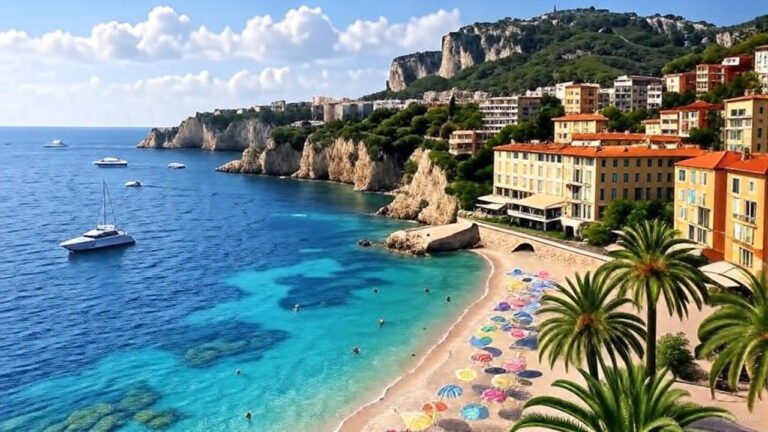
The sun-drenched south presents a dramatically different culinary personality, where Mediterranean ingredients like olive oil, tomatoes, herbs, and garlic create vibrant, health-conscious dishes. Provence epitomizes this style with its famous ratatouille, bouillabaisse, and tapenade – preparations that celebrate the region’s abundant produce and coastal location.
The French Riviera contributes sophisticated seafood dishes and the iconic salade niçoise, while inland areas like Avignon and the Luberon mountains offer robust dishes featuring lavender, wild herbs, and game meats. This region’s markets burst with colorful vegetables, aromatic herbs, and premium olive oils that form the foundation of its distinctive cooking style.
Eastern France: Alpine Influences and Alsatian Traditions
The eastern regions, particularly Alsace and the French Alps, reflect unique cultural influences from neighboring Germany and Switzerland. Alsace presents a fascinating fusion cuisine featuring dishes like choucroute (sauerkraut with sausages), tarte flambée, and gewürztraminer-influenced preparations that showcase the region’s Germanic heritage.
The Alpine regions contribute hearty mountain cuisine with cheese-centric dishes like fondue, raclette, and tartiflette. These areas also produce some of France’s finest mountain cheeses, including Reblochon and Beaufort, which play starring roles in traditional Alpine cooking.
Fundamental French Cooking Techniques
Mother Sauces: The Foundation of French Cooking
French cooking techniques revolve around five fundamental “mother sauces” (sauces mères) that serve as building blocks for countless variations. Béchamel, velouté, espagnole, hollandaise, and tomato sauce form the technical foundation that professional chefs worldwide still study and master. These sauces demonstrate the French emphasis on proper technique and the transformation of simple ingredients into complex, flavorful preparations.
Understanding these techniques allows cooks to create hundreds of derivative sauces, from the herb-laden béarnaise to the wine-rich bordelaise. This systematic approach to sauce-making exemplifies the French culinary philosophy of building complexity through mastered fundamentals.
Knife Skills and Mise en Place
French cuisine demands precision in preparation, starting with impeccable knife skills and the concept of mise en place – having everything in its proper place before cooking begins. Classic cuts like julienne, brunoise, and chiffonade aren’t merely aesthetic choices; they ensure even cooking and proper texture in finished dishes.
The French approach to preparation extends beyond cutting techniques to encompass timing, organization, and the methodical building of flavors throughout the cooking process. This disciplined approach transforms cooking from mere food preparation into a precise, almost scientific art form.
Braising and Slow Cooking Mastery
French chefs elevated braising and slow cooking into sophisticated techniques that coax maximum flavor from ingredients. Methods like confit (slow-cooking in fat), braising in wine, and long-simmered stocks create the deep, complex flavors that characterize French cuisine.
These techniques particularly shine in dishes like duck confit, where the meat slowly cooks in its own fat until fork-tender, or in the preparation of rich beef daube, where patient simmering transforms tough cuts into silky, flavorful masterpieces.
Must-Try Dishes for Every Food Lover
Iconic Appetizers and Small Plates
French meals traditionally begin with carefully crafted appetizers that awaken the palate. French appetizers range from simple yet perfect combinations like melon with prosciutto to elaborate preparations like escargots de Bourgogne. Pâtés and terrines showcase France’s mastery of charcuterie, transforming humble ingredients into luxurious spread and slices.
Cheese courses deserve special mention, as France produces over 400 varieties of cheese. From creamy Brie de Meaux to pungent Roquefort, each cheese represents centuries of artisanal knowledge and regional terroir. The proper presentation and pairing of French cheeses with appropriate wines, breads, and accompaniments constitutes an art form in itself.
Main Courses That Define Excellence
The main course category showcases French cuisine’s incredible diversity and technical sophistication. Coq au Vin demonstrates the masterful use of wine in cooking, while Beef Bourguignon exemplifies the transformation of simple ingredients through patient technique. Duck à l’orange balances rich meat with bright citrus notes, creating the harmony of flavors that characterizes the finest French cooking.
Seafood preparations like bouillabaisse from Marseille represent regional specialties that have achieved international recognition. This complex fish stew requires specific Mediterranean fish varieties and a carefully prepared rouille sauce, demonstrating how French cuisine honors local ingredients while maintaining exacting standards.
Desserts: Sweet Artistry
French desserts represent perhaps the most technically demanding aspect of the cuisine, requiring precision, timing, and artistic flair. Classic preparations like crème brûlée, tarte Tatin, and soufflés demand specific techniques that professional pastry chefs spend years perfecting.
The French patisserie tradition produces architectural marvels like croquembouche and delicate macarons that showcase both technical skill and aesthetic sensibility. These desserts often require multiple components prepared separately and assembled with precision, reflecting the French commitment to culinary excellence in every aspect of the meal.
Wine Pairing: The Soul of French Dining
No discussion of French cuisine remains complete without addressing the integral role of wine. France’s wine regions correspond closely with its culinary regions, creating natural pairings that have evolved over centuries. Burgundy wines complement the region’s rich, wine-based dishes, while crisp Loire Valley whites enhance the area’s delicate river fish and goat cheeses.
The concept of terroir – the unique combination of soil, climate, and tradition that gives each wine its character – applies equally to French food and wine. This philosophy ensures that regional dishes pair naturally with local wines, creating harmonious dining experiences that reflect the landscape’s complete expression.
Seasonal Cooking and Market Culture
French cuisine celebrates seasonality with an intensity that urban dwellers worldwide increasingly appreciate. Seasonal French cooking means asparagus in spring, tomatoes and stone fruits in summer, mushrooms and game in autumn, and hearty braises in winter. This rhythm connects diners with natural cycles and ensures ingredients at their peak flavor.
French markets remain central to this seasonal approach, where relationships between vendors and customers often span generations. These markets offer education in ingredient selection, cooking techniques, and seasonal specialties that cookbooks cannot replicate. The market experience becomes an integral part of understanding French food culture.
Modern French Cuisine: Innovation Within Tradition
Contemporary French chefs continue pushing culinary boundaries while respecting traditional foundations. The nouvelle cuisine movement of the 1970s emphasized lighter preparations and artistic presentation, while molecular gastronomy explored scientific approaches to cooking. Today’s French cuisine embraces global influences while maintaining its commitment to technique and quality.
Young French chefs increasingly incorporate international ingredients and techniques, creating fusion dishes that honor French fundamentals while exploring new flavor combinations. This evolution ensures French cuisine’s continued relevance in an increasingly globalized culinary landscape.
French cuisine represents more than mere sustenance – it embodies a complete philosophy of living well, appreciating quality, and finding joy in daily rituals. Whether you’re savoring a simple pain au chocolat from a neighborhood boulangerie or experiencing a multi-course meal at a Michelin-starred restaurant, French food culture offers lessons in patience, craftsmanship, and the pursuit of excellence.
The journey through French cuisine reveals not just recipes and techniques, but an entire approach to life that prioritizes quality over quantity, tradition alongside innovation, and the social aspects of sharing meals with others. This timeless wisdom continues attracting food lovers worldwide, ensuring that French cuisine’s influence will endure for generations to come.
For those planning to experience French cuisine consulte the Michelin Guide at guide.michelin.com for restaurant recommendations throughout France.