Normandy and Brittany: History and Culture Guide
When planning a journey to northwestern France, few destinations offer the compelling blend of ancient heritage and dramatic coastlines found in Normandy and Brittany: History and Culture. These two neighboring regions stand as testament to France’s rich past while showcasing some of Europe’s most spectacular maritime landscapes. From the D-Day beaches that changed the course of world history to the mystical standing stones of Carnac, visitors discover layers of civilization spanning millennia alongside rugged cliffs, pristine beaches, and charming fishing villages that have inspired countless artists and writers.
Normandy and Brittany: History and Culture
The northwestern coast of France presents an extraordinary tapestry of human civilization, where Celtic traditions merge with Norman conquests, and where the echoes of World War II still resonate across windswept beaches. These regions offer travelers an immersive experience that goes far beyond typical sightseeing, providing genuine encounters with living history and authentic French culture.
The Historical Tapestry of Normandy
Viking Origins and Norman Legacy
Normandy’s story begins with the Vikings, fierce seafarers who sailed up French rivers in the 9th and 10th centuries. The region’s name itself derives from “Northmen,” reflecting these Scandinavian roots. In 911, the Treaty of Saint-Clair-sur-Epte established the Duchy of Normandy under Rollo, a Viking chieftain who became the first Duke of Normandy.
This Norse heritage profoundly shaped the region’s character, creating a unique blend of Scandinavian seafaring culture and French refinement. The Norman influence extended far beyond France’s borders, most notably with William the Conqueror’s invasion of England in 1066, an event meticulously depicted in the famous Bayeux Tapestry.
Medieval Magnificence
The medieval period brought unprecedented prosperity to Normandy. Magnificent Gothic cathedrals rose in cities like Rouen, where Joan of Arc met her tragic fate in 1431. The region’s wealth, built on maritime trade and fertile agricultural lands, funded extraordinary architectural achievements that still dominate Norman cityscapes today.
Abbey de Mont-Saint-Michel, perhaps Normandy’s most iconic monument, exemplifies this medieval grandeur. This architectural marvel, rising from tidal flats, served as both fortress and pilgrimage site, embodying the spiritual and temporal power of medieval France.
The D-Day Beaches and World War II
Modern history took a dramatic turn on June 6, 1944, when Allied forces launched Operation Overlord along Normandy’s beaches. The D-Day landing sites at Omaha, Utah, Juno, Gold, and Sword beaches became hallowed ground where the liberation of Western Europe began.
Today, these beaches serve as powerful memorial sites. The American Cemetery at Colleville-sur-Mer overlooks Omaha Beach, while numerous museums, including the Caen Memorial, provide comprehensive accounts of the war’s impact on the region and its people.
Brittany’s Ancient Celtic Heritage
Prehistoric Mysteries
Brittany boasts some of Europe’s most significant prehistoric sites. The megalithic alignments at Carnac, dating back over 6,000 years, consist of thousands of standing stones arranged in mysterious patterns that continue to puzzle archaeologists. These ancient Celtic monuments represent one of the world’s largest collections of megalithic sites.
The dolmens and menhirs scattered throughout the Breton countryside testify to sophisticated prehistoric civilizations. Sites like the Cairn of Gavrinis feature intricate carvings that predate Stonehenge, offering glimpses into Neolithic artistic expression and spiritual beliefs.
Celtic Culture and Traditions
Unlike much of France, Brittany maintained its Celtic identity throughout centuries of political integration. The Breton language, closely related to Welsh and Cornish, survived despite periodic suppression. Traditional Breton culture emphasizes music, dance, and storytelling, with festivals like the Festival Interceltique de Lorient celebrating this rich heritage.
Breton mythology, filled with tales of fairies, druids, and mystical forests, permeates the region’s cultural landscape. These stories, passed down through generations, continue to influence contemporary Breton art and literature.
Maritime Traditions
The sea defines Breton culture as much as Celtic heritage. Generations of Breton fishermen and sailors have worked these dangerous waters, developing unique maritime traditions. Traditional Breton fishing villages like Concarneau and Douarnenez preserve this seafaring culture through their architecture, cuisine, and festivals.
The region’s lighthouses, including the famous Phare d’Ar-Men, stand as monuments to Brittany’s ongoing relationship with the Atlantic. These beacons guided countless vessels through treacherous waters and remain symbols of Breton resilience and maritime expertise.
Architectural Wonders and Cultural Landmarks
Norman Architecture
Norman architecture represents a distinctive style that influenced building techniques across medieval Europe. Characterized by massive walls, rounded arches, and sturdy pillars, Norman buildings convey strength and permanence.
Rouen Cathedral, with its impressive Gothic spires, inspired Claude Monet’s famous series of paintings. The cathedral’s facade, illuminated by changing light throughout the day, demonstrates how Norman architecture continues to captivate artists and visitors alike.
The Abbey of Jumièges, known as “the most beautiful ruin in France,” showcases Norman Romanesque architecture at its finest. These atmospheric ruins, set amid peaceful gardens, offer visitors a contemplative experience of medieval spirituality.
Breton Architectural Heritage
Breton architecture reflects both Celtic traditions and maritime influences. Traditional Breton houses feature distinctive granite construction, steep roofs designed to shed Atlantic storms, and decorative elements that often incorporate Celtic motifs.
Religious architecture in Brittany includes unique parish closes (enclos paroissiaux), complete ecclesiastical complexes featuring churches, calvaries, and ossuaries. The parish close at Saint-Thégonnec exemplifies this distinctly Breton architectural tradition, combining religious devotion with artistic achievement.
Breton châteaux, like the Château de Josselin, blend medieval fortification with Renaissance elegance. These structures, often built from local granite, demonstrate how Breton architecture adapted to both defensive needs and aesthetic aspirations.
Spectacular Coastal Landscapes
Normandy’s Dramatic Coastline
The Norman coast presents ever-changing landscapes, from the towering white cliffs of Étretat to the wide sandy beaches of Deauville. These scenic French coastlines have inspired artists for generations, with impressionist painters particularly drawn to the region’s unique light and atmospheric conditions.
The Côte Fleurie (Flowered Coast) encompasses elegant beach resorts that became fashionable during the Belle Époque. Towns like Deauville and Trouville-sur-Mer maintain their sophisticated atmosphere while offering access to beautiful beaches and coastal walks.
Further west, the Cotentin Peninsula features more rugged landscapes, with dramatic headlands and secluded coves that provide habitat for diverse seabird populations. The peninsula’s wild beauty contrasts sharply with the more cultivated areas of central Normandy.
Brittany’s Wild Atlantic Edge
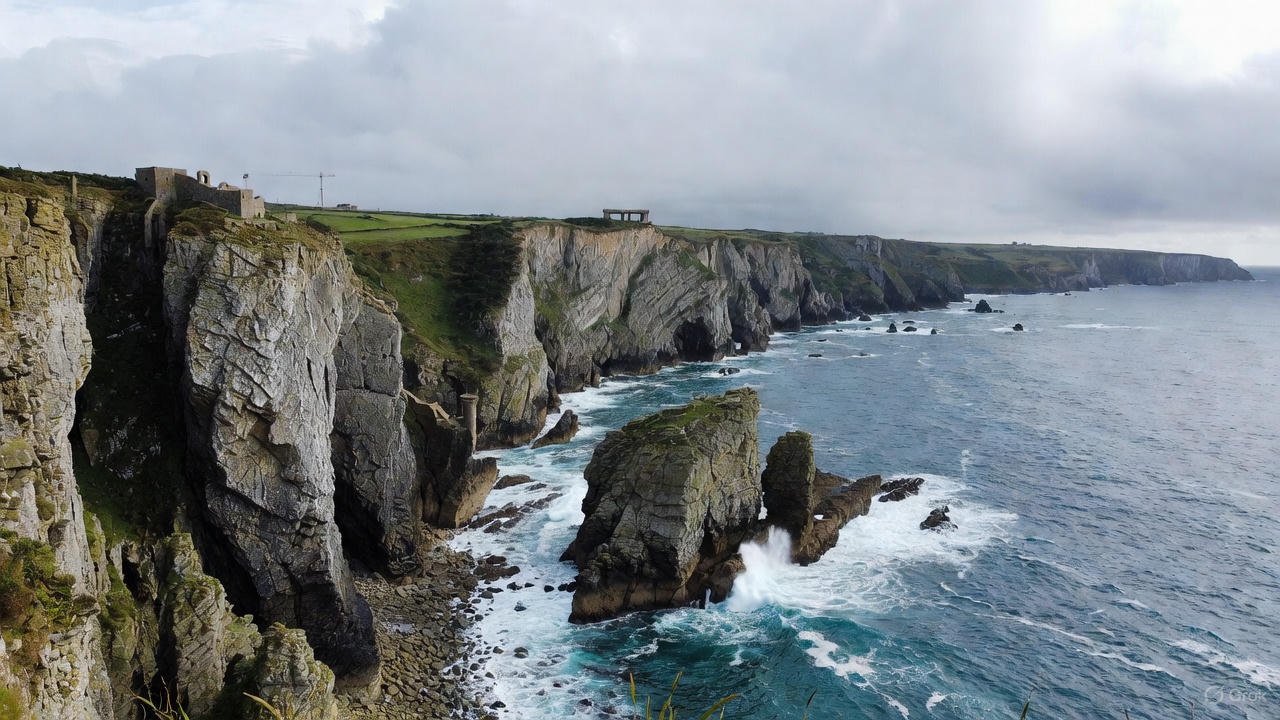
Brittany’s 1,200-kilometer coastline offers some of France’s most spectacular maritime scenery. The Côte de Granit Rose (Pink Granite Coast) features otherworldly rock formations carved by millennia of Atlantic storms. These salmon-colored granite outcrops, particularly impressive at Ploumanac’h, create surreal landscapes that seem almost extraterrestrial.
The Crozon Peninsula exemplifies Brittany’s rugged beauty, with towering cliffs, hidden beaches, and panoramic viewpoints overlooking the Atlantic. The peninsula’s diverse ecosystems support rare plants and seabirds, making it a paradise for nature enthusiasts.
Brittany’s islands, including Belle-Île-en-Mer and the Glénan archipelago, offer pristine environments and unique cultural experiences. These islands preserve traditional ways of life while providing refuge for both wildlife and visitors seeking tranquility.
Culinary Traditions and Regional Specialties
Norman Gastronomy
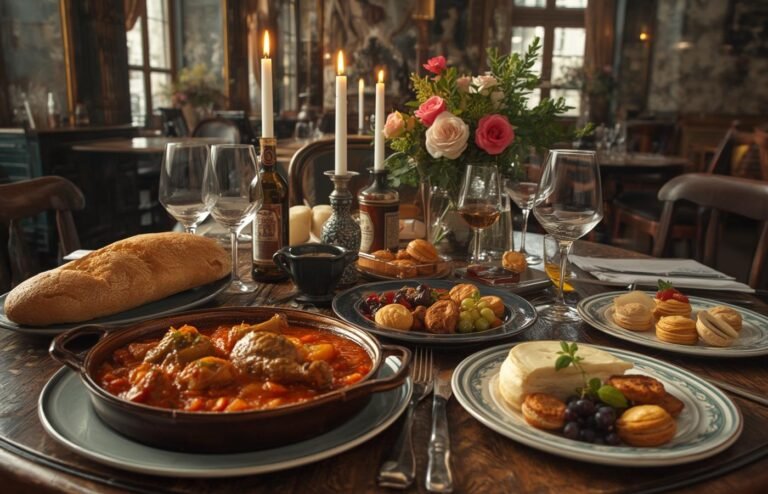
Norman cuisine reflects the region’s agricultural abundance and maritime resources. The fertile Norman countryside produces exceptional dairy products, including world-renowned Camembert, Pont-l’Évêque, and Livarot cheeses. These cheeses, protected by appellation d’origine contrôlée status, represent centuries of traditional cheese-making expertise.
Norman apple orchards yield both eating apples and cider apples used to produce cidre, pommeau, and Calvados. This apple brandy, aged in oak barrels, embodies the essence of Norman terroir and features prominently in regional cuisine.
Seafood plays an equally important role, with Norman oysters from Isigny-sur-Mer considered among France’s finest. Traditional dishes like sole à la normande combine fresh fish with cream, apples, and Calvados, creating the rich, elegant flavors that define Norman gastronomy.
Breton Culinary Heritage
Breton cuisine showcases both land and sea, with specialties that reflect the region’s Celtic roots and maritime environment. Traditional French cuisine reaches distinctive heights in Brittany through dishes that have remained largely unchanged for generations.
Crêpes and galettes represent Brittany’s most famous culinary exports. These thin pancakes, made from wheat flour (crêpes) or buckwheat flour (galettes), serve as vehicles for both sweet and savory preparations. The ritual of crêpe-making and sharing embodies Breton hospitality and social traditions.
Seafood abundance provides ingredients for hearty soups like cotriade, a Breton fish stew that varies according to the day’s catch. Breton lobster, scallops, and various fish species feature in preparations that emphasize natural flavors enhanced by traditional cooking techniques.
Planning Your Journey Through Time
When to Visit
Both regions offer distinct seasonal experiences. Spring (April-May) brings mild weather and fewer crowds, ideal for exploring historical sites and enjoying coastal walks. Summer (June-August) provides the warmest weather and longest days, perfect for beach activities and outdoor festivals.
Autumn (September-October) offers comfortable temperatures and dramatic light that particularly appeals to photographers. Winter visits reveal these regions’ more atmospheric side, with fewer tourists and cozy indoor experiences at museums and restaurants.
Transportation and Accessibility
High-speed trains from Paris reach Caen and Rennes in approximately two hours, making both regions easily accessible for both short visits and extended stays. Regional train networks connect major towns, while rental cars provide the flexibility needed to explore smaller villages and remote coastal areas.
Both regions maintain excellent tourism infrastructure, with well-marked hiking trails, cycle routes, and tourist information centers that help visitors maximize their experience while respecting local environments and communities.
Accommodation Options
From luxury château hotels to charming chambres d’hôtes, both regions offer accommodation options that enhance the cultural immersion experience. Many properties occupy historic buildings, allowing guests to sleep within the same walls that have sheltered travelers for centuries.
Coastal areas provide everything from elegant seaside resorts to simple fishing village accommodations, ensuring that visitors can find lodging that matches both their budget and their desired level of connection with local culture.
Conclusion
The regions of Normandy and Brittany offer travelers an unparalleled journey through French history and culture, set against some of Europe’s most spectacular coastal scenery. These destinations reward those who seek authentic experiences with genuine encounters with living traditions, preserved historical sites, and landscapes that continue to inspire and enchant visitors from around the world.
Whether standing on the beaches where history pivoted, exploring ancient stone circles that predate written history, or simply savoring local specialties while watching Atlantic waves crash against granite cliffs, visitors to these regions discover that the past remains vibrantly alive in northwestern France.
For more information about visiting these remarkable regions, consult UNESCO World Heritage Sites in France.