Budget Travel in France: Ultimate Guide to Affordable Adventures
Unlock the magic of France without breaking the bank! In this ultimate guide to budget travel, we reveal unforgettable experiences that won’t strain your wallet. Discover breathtaking outdoor adventures, vibrant local markets, and free festivals that showcase the authentic spirit of French culture. This article will take you off the beaten path, presenting thematic itineraries and genuine encounters that create lasting memories—all while keeping your expenses to a minimum. Get ready to dive into the heart of France, where adventure awaits at every turn, and every experience is a treasure.
Budget travel France isn’t just about slashing costs—it’s about getting more authentic adventure for every euro. If you’re planning a trip and want the honest numbers, best timing, and no-surprises advice that most “cheap travel in France” articles skip, you’re in the right place. This guide gives you not just per-day estimates, but realistic, field-tested tactics and city-by-city free activities for 2024.
Key Takeaways
- Expect to spend €92–120 per person per day for real budget travel in France, with detailed breakdowns for hostels, meals, transport, and attractions.
- Top frustrations for budget travelers: seasonal price spikes, hidden fees, and mismatched locations—each fixable with specific, step-by-step actions.
- Free and low-cost activities abound—especially in Paris, Lyon, Bordeaux, Nice, Normandy, and the Loire Valley—if you know what and when to look for them.
- Quick Snapshot — What a budget trip to France really costs (per day)
- Accommodation — How to find affordable places to sleep (and avoid surprises)
- Biggest frustrations travelers face when hunting affordable accommodation — and exact fixes
- Transport options — move cheaply around cities and between regions
- Free & very low-cost things to do — cities and regions that give you the most for free
- Hidden fees and unexpected costs to watch for (and how to avoid them)
- City passes, festivals, and off-season travel — when they save you money (and when they don’t)
- Sample 3-day & 7-day itineraries with per-day cost breakdowns
- Top 3 essential money-saving tactics missing from most competitor articles
- Quick checklists & tools — booking timeline, apps, and resources to save money
- Final budget calculator + CTA
Quick Snapshot — What a budget trip to France really costs (per day)
Let’s start with a fact: the average daily cost for budget travel France in 2024 sits between €92 and €120 per person. For most, this includes sleeping in hostel dorms, self-catering, using regionals or buses, and mixing paid and free sights. Here’s your realistic, no-fluff breakdown for one traveler:
| Category | Budget Range (€ per day) | Notes (per person rates) |
|---|---|---|
| Accommodation | 40–75 (hostel dorm) | Budget hotels: 85–150; Campsites: 35–40 |
| Food | 20–30 | Markets, bakeries, basic cafés |
| Transport | 10–20 | Metro/bus passes, regional trains |
| Attractions | 10–20 | Mix of free and paid sights |
It’s tempting to believe online stories about “€50/day” in France, but with inflation and real costs (especially in Paris), sub-€80 actually means you’re wild camping or skipping key areas. Instead, decide where you fall (shoestring, average, or comfort budget) and set your plans accordingly.
- Do this now: Pick your budget ceiling—then use the below daily range to start planning categories first, locations second.
Accommodation — How to find affordable places to sleep (and avoid surprises)
If you’re searching “affordable accommodation in France,” here’s the blunt reality: hostels in French cities are from €40–75 for a dorm, and budget twin rooms easily run €85–150 per night. Campsites offer bargains (€35–40) but fill quickly. Short-term rentals are not always cheap once tourist taxes and cleaning fees kick in, especially in Paris or along the Riviera. Prices also spike for spring–summer and major holidays.
- Book at least 4–5 weeks in advance for major cities (Paris, Lyon, Nice), especially June–September.
- Check hostels on Hostelworld, but double-check on the direct hostel website for lower rates.
- Consider dorms over privates for true budget savings.
- In rural France, campings municipaux (municipal campgrounds) are frequently under €40/night, walkable, and take drop-ins.
- Always confirm extras: linen fees (some hostels), city tax (tourist tax “taxe de séjour”), and cleaning/service fees for apartments.
- Ask for long-stay discounts (5+ nights), especially outside peak season.
Reserve agenda: Paris and Nice book fastest; less-touristed regions (Brittany, Auvergne, south-west) are easiest for campsites and last-minute booking.
Biggest frustrations travelers face when hunting affordable accommodation — and exact fixes
Based on recent hostel reviews and forum threads (Reddit r/FranceTravel and TripAdvisor), three challenges wreck most “cheap travel in France” plans:
- Unpredictable availability or sudden price jumps in hostels/hotels (especially in Paris/Nice and festival periods).
- Hidden or surprise fees—for linens, baggage storage, cleaning, or city tax (which can be €1–4.20 per person/night in popular cities).
- Listings map locations poorly; sometimes “Paris hostel” is actually in a distant suburb with costly, long transit rides.
Here’s how to fix them:
- Book direct and early: often, the official site has lower rates than Hostelworld/Booking.
- Set alerts for your dates on multiple platforms; cancel free if prices drop.
- Always check the full address—use Google Maps to gauge true distance to main stations/centers before reserving.
- Read fine print for total price, inclusive of tourist tax (“taxe de séjour”).
- For summer: look outside central Paris/Nice; suburban hostels may be 25% cheaper, if transit is quick.
Do this now: On your booking page, expand all “fees” menus and Google walking times to major transport points before confirming.
💡 Pro Tip: Contact hostel or hotel directly to ask about unlisted long-stay or student/under-26 discounts, especially for stays of 3+ nights or out of peak dates.
🔥 Hacks & Tricks: For groups, compare multi-bed hostel privates vs. cheap hotels—split costs can make clean hotels the smarter “cheap travel in France” move outside Paris/Nice. For solo travelers: overnight buses or trains can save you both a bed and travel day!
Transport options — move cheaply around cities and between regions
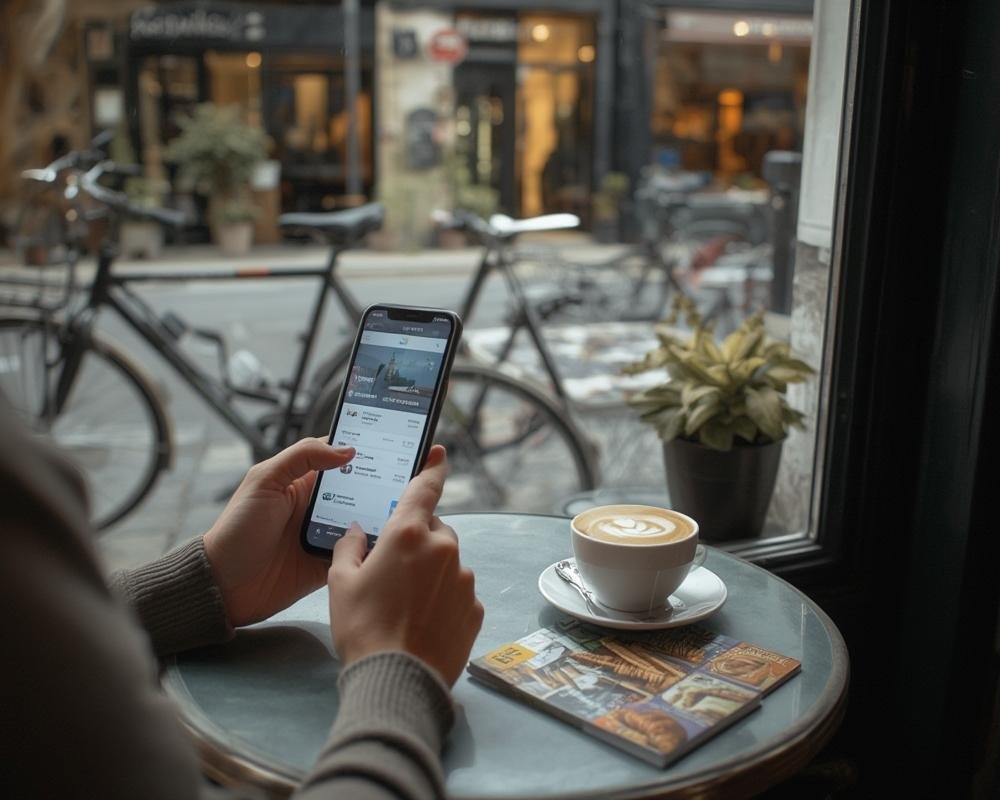
If you want to travel France on a budget, get comfortable with regional trains, metros, and true budget bus lines. Here’s how prices actually stack up in 2024:
- Paris Metro/Bus: t+ ticket is €2.15 (single), 10‑ticket carnet €17.35, unlimited 1‑day “Mobilis” pass €12 (all zones, best for day trips to Versailles or airports)
- Regional TER Trains: Paris‒Tours €20, Paris‒Strasbourg €32–85 (advance fares crucial), Paris‒Nice €38–70, Marseille–Nice €48. Under-26s can slash up to 30% with youth discounts.
- Long-Distance Buses: FlixBus/Blablabus have Paris–Lyon or Paris–Bordeaux from €12–25 if booked very early.
- Rideshare (Blablacar): Paris–Lyon/Others, estimate €18–30 for intercity seat.
- Budget Flights: Paris–Nice or Marseille as low as €25–35 one-way off-season, €60–80 high season (check hidden bag fees!).
- Uber in Paris: €12–20 for a typical 15-minute ride; cheaper late at night than daytime if metros stop running.
Advance purchase is non-negotiable. Most “how to travel France on a budget” travelers spend more by buying tickets day-of. For almost every route, booking at least 1–2 weeks ahead means €20–40, vs. €55–120 same-day.
- Do this now: Download SNCF Connect and Île-de-France Mobilités; set up fare alerts at least 14 days prior to your intercity trips.
Limit: Same-day tickets and last-minute weekends see price surges—don’t risk it!
For the official SNCF fare structure for young travelers and non-residents, check the SNCF TGV & Ouigo advance booking page.
Free & very low-cost things to do — cities and regions that give you the most for free
Some French regions and cities go out of their way to make sightseeing affordable. Make these free and cheap options your map base:
Paris
- First Sunday of every month: free entry to Louvre, Musée d’Orsay, Musée de l’Orangerie (except July–September)
- Free all year: Notre-Dame walks and river views, Parc des Buttes-Chaumont, Jardin du Luxembourg
- Weekly free Paris Greeters walking tours
Bordeaux
- Wander the old town; free Miroir d’Eau light shows (summer evenings)
- Parc Bordelais for picnics, riverside cycling paths
Lyon
- Vieux Lyon (Renaissance district) and Croix-Rousse street art walks
- Trompe l’oeil murals (over 100 across city)
Nice & the Riviera
- Promenade des Anglais walks, Old Town markets
- Free public beaches (Plage Publique de Beau Rivage)
- Free-entry Matisse Museum (first Sunday of every month)
Normandy
- Clifftop hikes at Etretat
- Stroll in Rouen’s medieval center & cathedral
- Free D-Day beaches and memorials (self-guided)
Loire Valley
- Château de Villandry gardens (partially free)
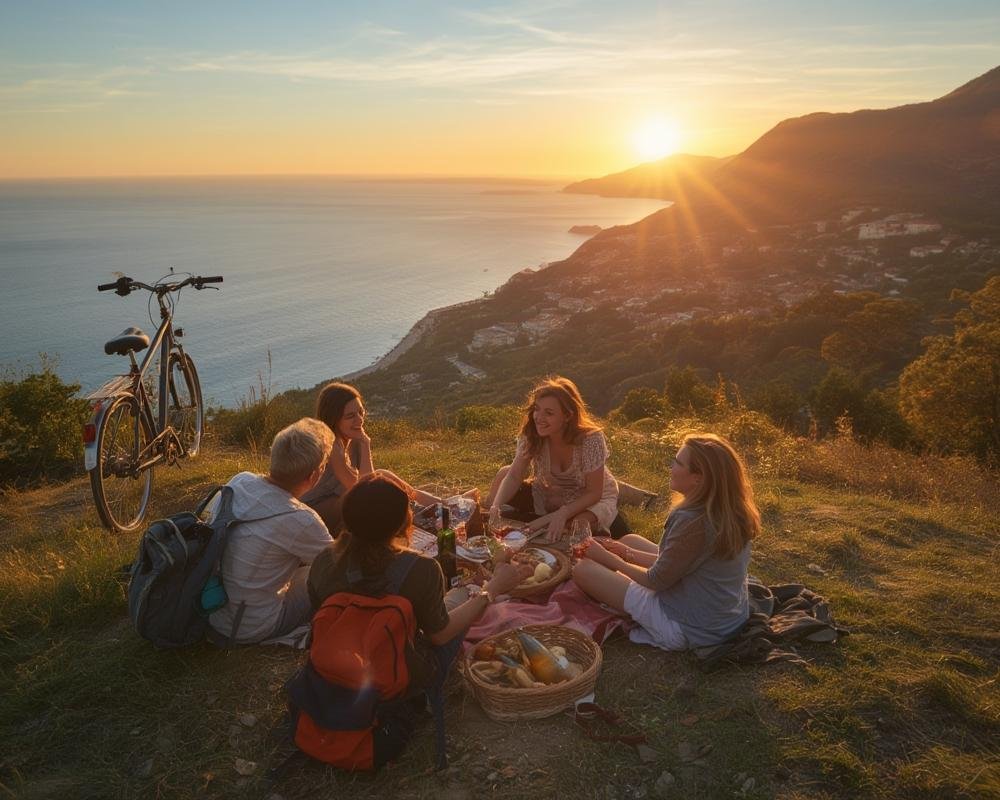
- Bike the valley’s river trails (mark your own picnic stops!)
- Do this now: Check city tourism boards’ “Free” or “Budget” tabs for up-to-date free-entry dates and event calendars.
Hidden fees and unexpected costs to watch for (and how to avoid them)
Even the slickest “cheap travel in France” plans can unravel due to boring but brutal hidden costs:
- Baggage fees on cheap flights (budget airlines may charge €30–40 one way for checked bags, sometimes for large carry-ons too)
- Airport transfers: RER B from CDG to Paris can cost up to €11.45 per person, or €40+ for two with day pass “all zones” add-on (especially roundtrip)
- Tourist tax (“taxe de séjour”): Ranges from €0.70–€4.20 per person per night, not always included in booking price—always check final page
- Zone requirements for day trips: Versailles, Disneyland, and airports all require tickets that cover Zone 4–5, not standard Paris t+ tickets (Versailles for two: about €48 return, including access fees)
- Ticket printing fees: Some old-school machines or bus operators charge €0.50–1 euro if you don’t use mobile tickets!
- Do this now: Always reserve baggage/luggage in advance when buying low-cost airline tickets; select “mobile ticket/e-ticket” when booking transport; on Paris trip plan, budget for “zone 4” coverage if doing Versailles/airports.
City passes, festivals, and off-season travel — when they save you money (and when they don’t)
French city passes sound like instant savings, but do the math: sometimes pay-as-you-go is far cheaper than a bundled card. Here’s the up-to-date cheat sheet for 2024:
- Paris Museum Pass: 2-day €62, 4-day €77, 6-day €93. Worth it only if hitting 3+ paid attractions/day. If you mainly visit free museums and stroll, stick with €12 Mobilis or t+ tickets.
- Regional/Other passes: Lyon City Card (€36 for 2 days) is a fair deal if you plan two museums/activities daily. For Bordeaux, most main sights are walkable and low-cost without a pass.
- Off-season deals: Budget flights Paris–Marseille or Paris–Nice regularly drop to €25–35 Oct–March, vs. €60–80 in high season. Campsites and non-coastal hostels have more discounts and little competition in April/May or October.
- Festivals: Some regions (Provence lavender season, Lyon Fête des Lumières) jack up prices. Avoid these high-impact weekends for biggest bargains.
- Do this now: List every museum/site you want before buying a pass; add up normal entry to check if the pass is worth it (it usually isn’t for most budget travelers who prioritize ambiance over queueing for tourist sights).
Sample 3-day & 7-day itineraries with per-day cost breakdowns (backpacker, frugal couple, low-budget comfort)
Here are two proven itineraries for how to travel France on a budget. Prices reflect 2024 rates for a solo traveler; couples can often save 10–15% by sharing private rooms or splitting costs.
3-Day Paris & Versailles (Solo Backpacker, min. budget)
- Accommodation: Hostel dorm, €45 x 3 = €135
- Food: Markets, sandwiches, 1 café meal/day (€22 x 3 = €66)
- Transport: Paris Mobilis pass (2 x €12), Versailles zone 4 return (€12), local bus/streetcar (€4) = €40
- Attractions: Free museums on designated days, walking tours, 1 paid entry (Louvre €17) = €25
Total: €266 (€89/day)
7-Day Paris, Loire Valley, Bordeaux (Low-Budget Comfort/Flexible Couple)
- Accommodation: 3 nights Paris hostel (€45), 2 nights Loire cheap hotel (€90), 2 nights Bordeaux hostel (€44): total €358
- Food: Markets, mix of lunch deals, 4 bistro meals: €28 daily avg = €196
- Transport: SNCF advance fares: Paris–Tours TER (€23), Tours–Bordeaux TER (€19), Bordeaux–Paris bus (€15), local passes/metro €38 = €95
- Attractions: Mix of garden châteaux (€10–14, 2x), free city walking, one wine tour in Bordeaux (€15): total €39
Total: €688 (€98/day)
You can substitute Lyon or Nice for the regions above at similar price points, just shift the train/bus fares. If you want full comfort and privacy in every destination, budget €120/day+ and use the table in the first section for your per-night choices.
- Do this now: Sketch your itinerary in advance; then slot in costs using these categories to predict daily spend—saves time and removes guesswork mid-trip.
Top 3 essential money-saving tactics missing from most competitor articles
Many “budget travel France” blogs miss the following three high-impact tactics for lowering costs:
- Advanced train booking + youth discounts (<26): Always book TGV/TER tickets 2–4 weeks ahead—advance fares can be as low as €20–38 for popular routes. Travelers under 26 can buy a Carte Avantage Jeune (~€49/year) but for very short trips simply choose “youth” at booking for instant cheaper fares (don’t miss this on SNCF Connect).
- Use the Île-de-France Mobilités app for Paris day passes: Skip overpriced “Paris Visite” tourist cards—buy standard day pass (“Mobilis”) for €12, includes unlimited metro/bus for all zones including airports. Use the app for live schedules and mobile tickets (no €1 paper ticket surcharge).
- Check for “hidden half-board” deals at independent hotels and campings: Especially in less-touristed regions, many small hotels or municipal campgrounds offer “demi-pension” (room plus breakfast/dinner) at a fixed rate that’s 25%+ cheaper than eating out—ask directly, these deals are rarely listed on Booking.com!
- Do this now: For every intercity move, try a sample fare search at least 22 days out for the best deal. Download Île-de-France Mobilités app and save Paris Metro stops. When emailing hotels or campgrounds, always ask about current meal/breakfast deals (“demi-pension”).
Quick checklists & tools — booking timeline, apps, and resources to save money
- Trains: Book 4+ weeks in advance (SNCF Connect/Trainline); enable price alerts for your exact route for TGV or TER.
- Buses: Compare FlixBus/Blablabus early—download their apps for €2–5 e-vouchers and mobile tickets.
- Hostels/hotels: Check reviews for location, “hidden fees,” and arrival times—always confirm 24h check-in or free baggage storage if you land early.
- Paris transport: Buy day passes (Mobilis) via Île-de-France Mobilités; skip Paris Visite; always check zone coverage.
- Apps: SNCF Connect (trains), Citymapper (urban transport), Too Good To Go (discount food near closing), Hostelworld (for backup interim stop bookings).
- Currency: Use a no-foreign-transaction-fee card; know your per-transaction withdrawal costs on French ATMs.
- Do this now: Set a calendar 35 days out to book trains; download core apps and register before landing; photograph your passport and reservation codes for backup offline.
Final budget calculator + CTA
Plug your own plans into this budget calculator for how to travel France on a budget—using the latest 2024 category averages. This table works for both solo and couple travelers (double rooms/hotels will be proportionally cheaper per person):
| Category | € Low | € Medium | Your Amount |
|---|---|---|---|
| Accommodation (per night) | 40 | 75 | [______] |
| Food (per day) | 20 | 30 | [______] |
| Transport (per day) | 10 | 20 | [______] |
| Attractions (per day) | 10 | 20 | [______] |
Your realistic daily range for 2024: €92–120 per person, all-in. Now calculate your trip total!
For a printable, step-by-step planner and free budgeting spreadsheet, subscribe below. Comment your planned travel dates and main cities—I’ll personally reply with custom cost breakdowns or seasonal watch-outs!
FAQ: Budget Travel France
What’s the cheapest way to travel between cities in France?
Generally, advance-booked TGV or TER trains (booked 2–4 weeks out) offer the best mix of speed and price. For extreme budget, buses like FlixBus or Blablabus can be cheaper than trains on popular routes, especially Paris–Lyon or Paris–Bordeaux, at €12–25, but journeys are slower. Can I really travel France for less than €100 a day in 2024?
Yes, if you stay in hostel dorms, shop at markets, use regional trains/buses, and stick to mostly free activities. For Paris, plan closer to €100/day; in smaller towns, €85–95/day is realistic. With a partner, sharing rooms brings down per-person costs. How do tourist taxes work on accommodation in France?
A nightly “taxe de séjour” applies at hotels, hostels, and apartments—amount depends on city and category (typically €0.70–€4.20 per person per night) and is sometimes collected at check-in, not visible on initial booking site pages. Should I get a French city pass?
For most budget travelers, only if you know you’ll hit 3+ paid attractions each day (e.g., Paris Museum Pass). Otherwise, single entries and free activities or day passes are cheaper in most regions. Are there special discounts for students/youth under 26?
Yes! SNCF offers youth rates for trains. Always select “youth” as passenger category on SNCF Connect. Some museums and attractions offer reduced or free entry for EU/EEA residents under 26, including the Louvre.