French Alps Adventures: Beginner Hiking Trails French Alps Guide
Picture this: you’re standing at the base of Mont Blanc, Europe’s highest peak piercing the clouds above, while wildflowers dance in alpine meadows at your feet. The morning light catches the glacier just so, turning ice into diamonds—but here’s what surprised me most about the French Alps: you don’t need to be an experienced mountaineer to experience this magic. After photographing these mountains for eight summers, I’ve discovered that beginner hiking trails French Alps offer some of the most breathtaking experiences in all of Europe, no technical climbing required.
The light was perfect that July morning when I first attempted a “real” Alpine trail. Camera bag on my back, completely unprepared for what awaited me, I chose what looked like an easy path near Chamonix. Three hours later, exhausted and exhilarated in equal measure, I stood there for a moment, camera forgotten, realizing I’d found something more valuable than any photograph—accessible adventure that anyone could experience.
Beginner Hiking Trails French Alps: Your Gateway to Alpine Magic
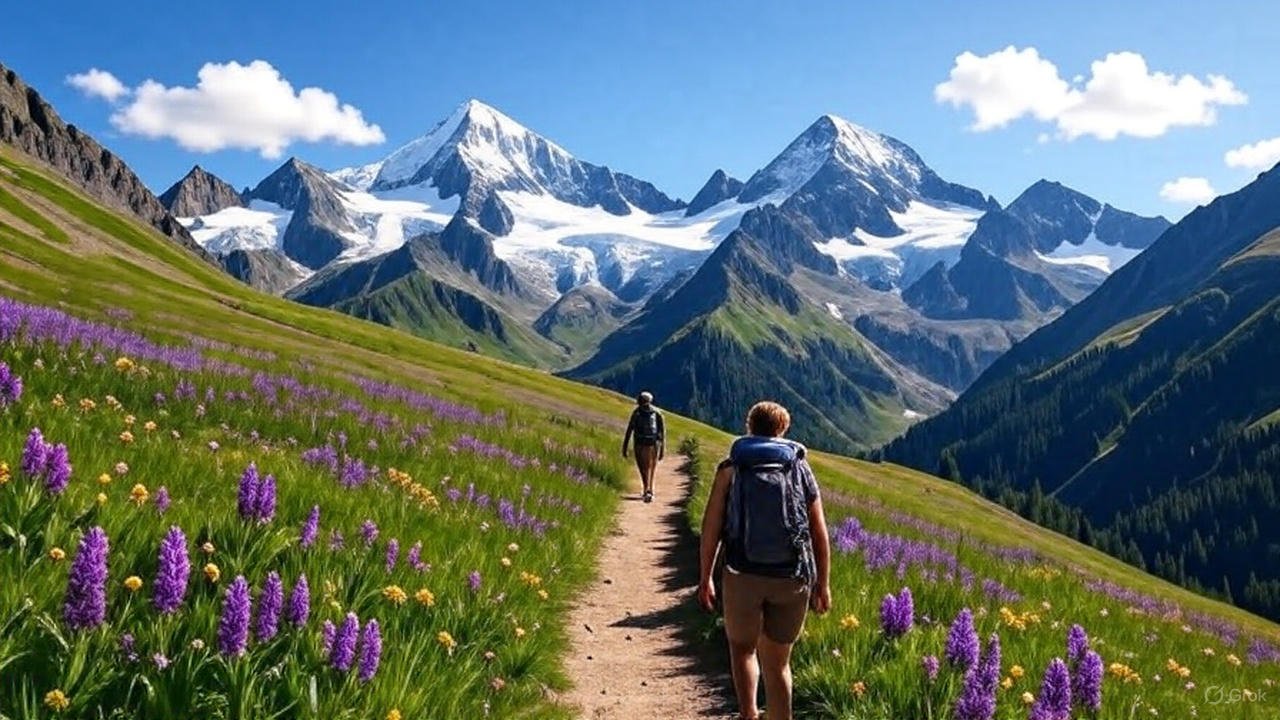
Let me paint you a picture of what beginner-friendly hiking in the French Alps really looks like. Forget those intimidating images of ice axes and vertical cliff faces—the Alps I want to show you feature well-marked paths winding through flower-filled meadows, crystal-clear mountain lakes reflecting snow-capped peaks, and charming refuges serving hot chocolate with views that belong on postcards.
The French have perfected the art of making their mountains accessible. Unlike the rugged wilderness trails you might find elsewhere, easy Alpine trails here often feature clear signage in multiple languages, regular rest stops with benches positioned at scenic viewpoints, and mountain restaurants where you can refuel with local Savoyard specialties. There’s something about reaching a mountain hut after your first Alpine ascent, sitting on the sun-warmed terrace with a plate of tartiflette, that photographs can’t quite capture.
What continually amazes me is the infrastructure. Cable cars and gondolas whisk you up thousands of meters, eliminating the most challenging climbs while still leaving plenty of hiking to satisfy your adventurous spirit. The Aiguille du Midi cable car in Chamonix, for instance, delivers you to 3,842 meters—suddenly, you’re starting your hike already among the clouds.
Essential Gear: What You Actually Need (And What You Don’t)
Through my camera lens, I’ve watched countless beginners struggle with overpacked backpacks or, worse, arrive dangerously underprepared for mountain weather. Here’s what I’ve learned about hiking gear for French Alps beginners after years of observing and experiencing these trails myself.
The non-negotiables start with proper footwear. Those fashion sneakers might look cute in your Instagram photos, but trust me on this one—after watching a couple slip and slide down a gravel path near Lac Blanc, proper hiking boots became my photography assistant’s first Alpine purchase. Look for ankle support and good grip; your feet will thank you after eight hours on mountain paths.
Weather in the Alps changes faster than you can adjust your camera settings. I once photographed a wedding proposal on a sunny morning trail that turned into a hailstorm by lunch. Layer system is your friend: moisture-wicking base, insulating middle, waterproof outer. Even in August, I never hike without: • Waterproof jacket (lightweight, packable) • Extra warm layer (fleece or light down) • Sun protection (the Alpine sun is fierce) • First aid basics • More water than you think you need
Golden hour in the Alps is when the photography magic happens, but it’s also when temperatures drop dramatically. That lightweight down jacket that seems excessive at noon becomes your best friend when you’re watching sunset paint the peaks pink.
Choosing Your First Alpine Adventure
There’s something about selecting beginner trails in Chamonix or around Annecy that can feel overwhelming—hundreds of options, unclear difficulty ratings, and those intimidating elevation numbers. Let me simplify this for you based on what I’ve discovered works best for first-timers.
Valley Walks and Lake Circuits
Start where the mountains meet the valleys. The trail around Lac d’Annecy offers 42 kilometers of mostly flat, beautifully maintained paths with constant mountain views. You don’t need to complete the entire circuit—pick a section that appeals to you. The stretch from Veyrier-du-Lac to Menthon-Saint-Bernard is particularly photogenic in late afternoon light, with medieval castles reflected in crystal waters.
Accessible Mountain Experiences
The Plan de l’Aiguille to Montenvers trail in Chamonix remains my go-to recommendation for beginners wanting that authentic Alpine experience. The Grand Balcon Nord, as locals call it, offers everything: glacier views, marmot sightings, and enough challenge to feel accomplished without being overwhelming. Taking the cable car up eliminates 1,000 meters of climbing, leaving you with a glorious 3-hour traverse.
Hidden Gems for Beginners
Let me share something most guidebooks miss: the hiking trails around Les Gets offer some of the most beginner-friendly terrain in the entire Alps. This lesser-known resort town has invested heavily in summer trail development. The Mont Chéry cable car takes you up to gentle ridgeline walks with 360-degree panoramas—I spent an entire afternoon there last summer, camera forgotten, just soaking in the views.
Safety First: Mountain Wisdom for Beginners
The Alps demand respect, even on easy hiking trails French Alps style. I learned this lesson when fog rolled in during what should have been a simple two-hour loop above Morzine. Suddenly, those clearly marked trails I’d been following disappeared into white nothingness.
Weather apps are your friend, but mountain weather laughs at forecasts. Always start early—afternoon thunderstorms are common in summer. Those dramatic clouds make stunning photographs, but you don’t want to be exposed on a ridge when lightning arrives. If locals are heading down when you’re heading up, reconsider your timing.
The French Alpine emergency number (112) works even without phone signal—a fact I thankfully haven’t needed but always share. Download offline maps before you go; phone batteries drain faster at altitude, and that GPS could be your lifeline if fog rolls in.
Creating Your Perfect Alps Hiking Itinerary
As someone who’s photographed these mountains in every season, I’ve noticed successful French Alps hiking for beginners follows a pattern. Don’t attempt the Haute Route on day one. Build your mountain legs gradually, starting with valley walks before tackling higher altitudes.
Here’s a photographer’s secret: the best light happens early and late, but midday is perfect for hiking. Plan your trail time between 10 AM and 4 PM, leaving mornings and evenings for rest, meals, and maybe capturing that perfect Alpine glow with your camera.
Consider basing yourself in one location rather than constantly moving. Chamonix offers endless trail options, from gentle valley strolls to challenging day hikes. Annecy combines lake and mountain trails. The Beaufortain region provides that authentic Alpine experience without Chamonix’s crowds—there’s something about having an entire mountain meadow to yourself that photographs can’t quite capture.
When to Visit: A Photographer’s Perspective on Seasons
Golden hour in the French Alps changes dramatically with the seasons, and so does the hiking experience. July and August offer the warmest weather and fully accessible high-altitude trails, but also bring crowds that can turn peaceful mountain paths into highways.
September might be my favorite month for beginner hiking trails French Alps adventures. The light takes on this incredible quality—softer, more golden. Autumn colors paint the larch forests, tourist numbers drop, and mountain huts remain open. Plus, the photographs you’ll capture will make your friends think you’re a professional.
June surprises many beginners with its beauty. While highest trails might still hold snow, lower elevations explode with wildflowers. I’ve never seen anything quite like the meadows above Samoëns in mid-June—imagine every color nature can produce scattered across green velvet, with snow-capped peaks as the backdrop.
Conclusion: Your Alpine Adventure Awaits
The French Alps taught me that adventure doesn’t require extreme expertise—just curiosity and respect for the mountains. Those beginner hiking trails French Alps experiences I’ve collected over the years, from sunrise at Lac Blanc to afternoon thunderstorms above Les Houches, have shown me that the most memorable mountain moments often happen on the simplest trails.
Whether you’re drawn to the dramatic glaciers of Chamonix or the gentle meadows of the Aravis, remember that every expert hiker started exactly where you are now. The mountains don’t care if you’re wearing the latest gear or if your pace is slow—they offer their magic equally to all who venture into their realm with respect and wonder.
Pack that camera (or just your phone), lace up those hiking boots, and trust that the Alps will reveal their secrets to you, one step at a time. Just remember to occasionally lower the camera and experience these moments with your own eyes—some Alpine magic simply refuses to be captured.
Further Reading
For current trail conditions and safety updates, check the official Chamonix Mont-Blanc tourism board.