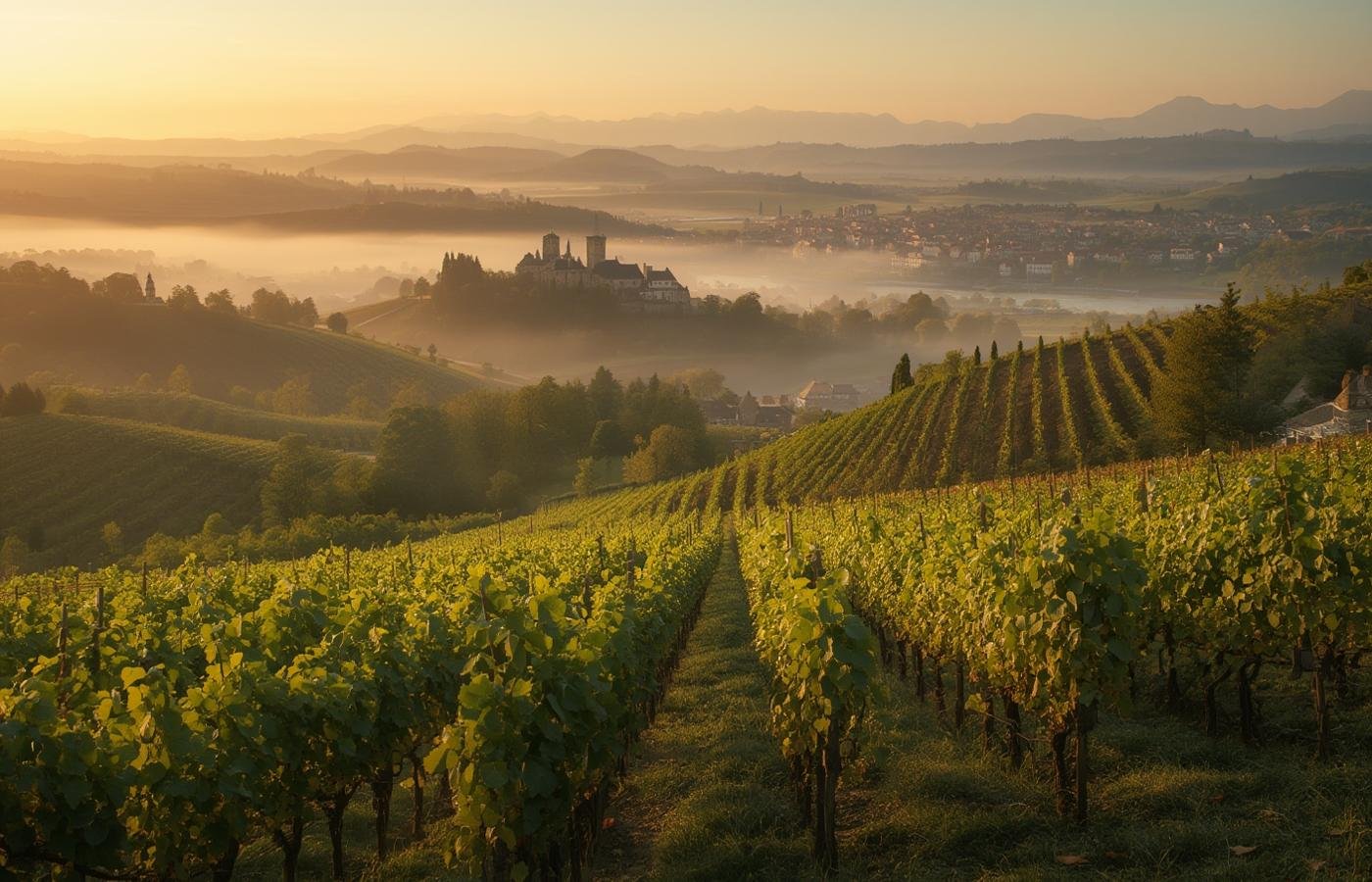
Wine Regions of France: Best Data-Driven Travel Guide
Wine regions of France are confronting historic change in 2024, reshaping travel for every wine lover. This guide delivers what enthusiasts like you need before planning the ultimate tasting journey: hard data, practical region-by-region advice, and firsthand visitor realities. No fluff—just actionable details about what’s new, what’s at risk, and how to get the most from winery visits across France, from Bordeaux to Corsica.
Key Takeaways
- 2024’s national wine production collapse will impact winery visits, availability, and tasting prices across all major regions of France.
- Regional travel experiences now differ sharply—plan ahead with hard data on winery operations, costs, and booking realities.
- Many standard wine tourism tips are outdated: practical info on certifications, varietals, visitor frustrations and tour pricing is missing from top English guides—demanding more primary research.
- Quick snapshot — France wine production & 2024 headline trends
- Why 2024 matters for travelers (supply, pricing and winery operations)
- Region-by-region practical guide
- Certifications & how to use them to choose wineries
- Iconic regional grape varietals — what the research found and what’s missing
- Wine tourism realities — visitor complaints, common challenges, and how to avoid them
- Typical vineyard tour & tasting costs — what we know and where data is missing
- Climate change, legislation and their direct impacts (2022–2024): viticulture and visitor experience
- What top English-language guides miss — research gaps to fill
- Primary research checklist & sources the writer must obtain before draft completion
- Practical editorial requirements & deliverables
Quick snapshot — France wine production & 2024 headline trends
If you plan to travel for wine in France in 2024, you are entering a dramatically shifted landscape. National wine production fell 23% in 2024, ending at just ~37 million hectolitres, the lowest output since 1957. This is not a typical fluctuation—it stems from a perfect storm of climate extremes: mildew, late frosts, hail, and poor fruit set. The total French vineyard area even dropped by –0.7% to 783,000 hectares as some growers shut down or ripped up vines, especially in Bordeaux. All these realities will affect not just the bottle on your table, but what’s available to taste, where to go, and how much you’ll pay. The usual top names are still there, but options, allocations, and even opening hours could be much leaner than you expect. The data clearly show 2024 is a year like no other for wine tourism in France.
Why 2024 matters for travelers (supply, pricing and winery operations)
Winery visits in the most famous French wine regions are shaped directly by 2024’s production collapse. Here are the regional headlines:
- Loire Valley: –30% output — many producers drastically cut back tastings and reduce guest numbers on site.
- Burgundy & Beaujolais: –25% (2.12 Mhl) — Chablis and Côte d’Or estates have fewer open bottles, require advance bookings, and offer less generous tastings due to high demand and limited stock.
- Champagne: –16% to –19% (2.34 Mhl AOP) — Premium cuvées see allocation-only tastings and rising tour prices; bookings are filling months ahead.
- Bordeaux: –10% (below 3.8 Mhl) — Not as extreme as others, but economic pressures mean more mergers, co-op focus, and a few closures or reduced public hours.
Other regions fared differently: Languedoc–Roussillon –4% and Corsica +9% saw less disruption or even growth. In all regions, expect tighter controls on visitor numbers, more pre-payment and reservation-only slots, smaller sample flights, higher prices, and the occasional lack of vintage for popular selections. The bottom line: availability is down, prices up, and “walk-in and taste all day” is no longer a reliable option anywhere in the major wine regions of France. Every trip should be planned with regional realities in mind for 2024.
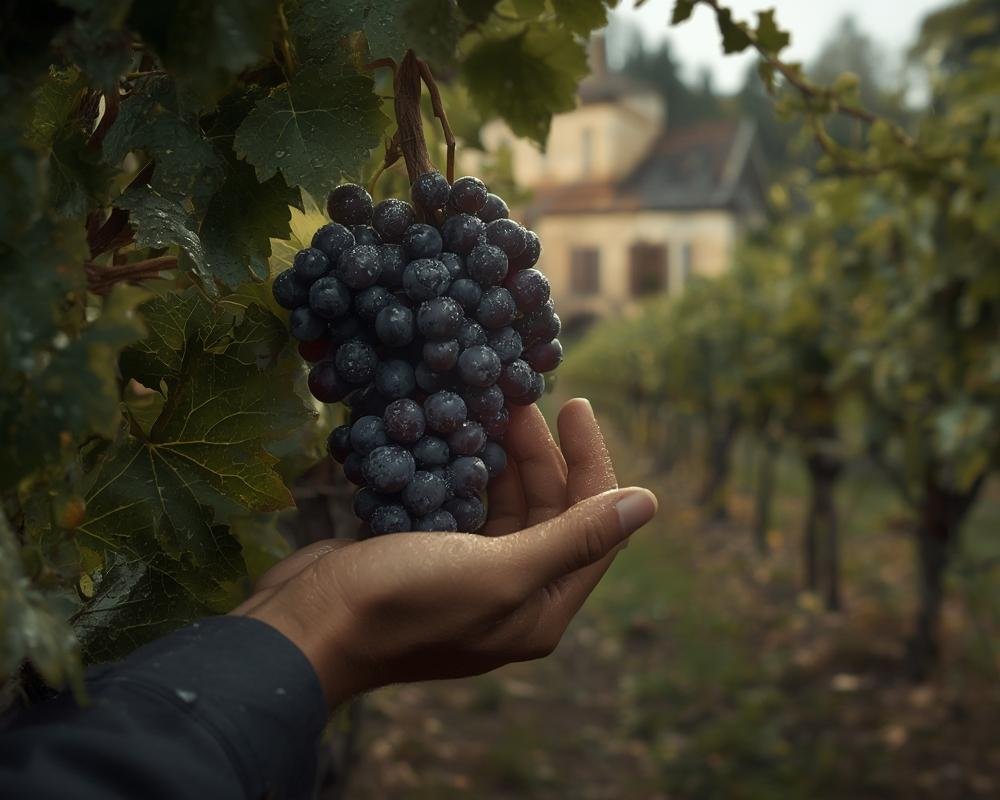
Region-by-region practical guide
This guide walks you through every major wine region of France for 2024, including the most actionable data on production, wineries, signature grapes, and on-the-ground travel recommendations.
Bordeaux
2024 production: –10%, below 3.8 Mhl. Vineyard area contracted amid government buyouts.
Signature grapes: Cabernet Sauvignon, Merlot, Cabernet Franc, Sémillon.
Winery types: Grand cru classé estates (advance booking essential), négociants (less predictable opening), and dynamic petits châteaux/co-ops.
What to expect: Many historic estates still offer polished tours, but economic shifts mean fewer open doors and more focus on group tastings over individual wanderers. Don’t expect to simply show up—most require pre-booked appointments.
Visit checklist:
- Best time: September–October (after harvest, less crowded).
- Three winery types to target: One legendary estate (e.g., Pauillac, Saint-Émilion), one village-level co-op (often friendlier value tastings), and one organic/biodynamic newcomer.
- Transport tip: A car is near-essential for rural visits; public transport reaches only a handful of major châteaux.
Burgundy & Beaujolais
2024 production: –25%, 2.12 Mhl.
Signature grapes: Pinot Noir, Chardonnay, Gamay.
Winery types: Family domaines, negotiants (bigger variety, but bookings tighter), and communal co-ops.
What to expect: Tasting rooms can be closed with little notice after bad vintages; pour sizes are small and often charged due to scarcity.
Visit checklist:
- Best time: May–early July, or late September (avoid major harvest and festival crowds).
- Three winery types to target: One classic Côte d’Or domaine, an experimental natural producer, and a Beaujolais village “cave”.
- Transport tip: Rail access works for main towns, but consider ebike or car to reach rural cellars.
Champagne
2024 production: –16% to –19%, AOP 2.34 Mhl.
Signature grapes: Chardonnay, Pinot Noir, Meunier.
Winery types: Grandes Maisons (glamorous, advance booking is now required), grower-producers, and micro-co-ops.
What to expect: Many top marque houses book out months ahead, with premium tastings seeing fewer pours for higher fees.
Visit checklist:
- Best time: May–June, or October for lower crowds.
- Three winery types to target: One famed Reims or Epernay house, a small grower-producer, and a historic village co-op.
- Transport tip: Rail covers main Champagne towns, but villages need taxis/shuttles.
Loire Valley
2024 production: –30%. One of the worst-hit.
Signature grapes: Sauvignon Blanc, Chenin Blanc, Cabernet Franc, Melon de Bourgogne.
Winery types: Family-run estates, large co-ops (especially in Muscadet), natural/biodynamic pioneers.
What to expect: Many Muscadet and Sancerre producers have cut back hours; advance bookings are essential. Expect smaller flight sizes.
Visit checklist:
- Best time: May–June (before heat spikes), September for Sancerre/Chinon.
- Three winery types to target: A Muscadet sur lie estate, an organic Chinon, and a sparkling Vouvray producer.
- Transport tip: Cars or organized day tours best; trains don’t reach most village cellars.
Rhône Valley
2024 production: Not separately detailed; national downturn affected Northern Rhône most.
Signature grapes: Syrah, Grenache, Viognier, Mourvèdre.
Winery types: Famous négociants, hillside domaines, and local cave co-ops.
What to expect: Visits can be rewarding, but top Côte-Rôtie and Hermitage cellars may have waitlists or closed doors in low-yield years.
Visit checklist:
- Best time: June–September.
- Three winery types to target: One top Côte-Rôtie, one Châteauneuf-du-Pape co-op, one independent southern Rhône estate.
- Transport tip: Car is a must for village visits; regional express trains help for city bases.
Alsace
2024 production: –13% (914,000 hl).
Signature grapes: Riesling, Gewürztraminer, Pinot Gris.
Winery types: Village domaines, prestige maisons, organic/biodynamic leaders.
What to expect: Tasting flights smaller, more tourist-focused near Strasbourg, friendlier and less formal further south.
Visit checklist:
- Best time: Late April–June for wildflowers, October–November for festivals.
- Three winery types to target: A grand cru Riesling producer, an “orange wine” natural specialist, and a classic Cremant maker.
- Transport tip: Self-drive or bike along “Route des Vins”; trains serve only a handful of villages.
Languedoc-Roussillon
2024 production: 10.6 Mhl, –4%. Less hit than others.
Signature grapes: Grenache, Carignan, Syrah, Mourvèdre.
Winery types: Big co-ops, garagiste/micro-producers, rising-star boutique domaines.
What to expect: Most welcoming for visits—tourist infrastructure strong, pour sizes generous, and prices lower.
Visit checklist:
- Best time: March–June or September–October.
- Three winery types to target: Organic Corbières co-op, Pic St-Loup boutique grower, and a sparkling Blanquette de Limoux estate.
- Transport tip: Regional trains serve cities, but local car rental gives best flexibility.
Provence & Southeast
2024 production: –12% (4.42 Mhl).
Signature grapes: Grenache, Cinsault, Mourvèdre, Rolle (Vermentino).
Winery types: Prestige rosé estates, innovative biodynamic domaines, sun-drenched co-ops.
What to expect: Major estates are buzzy and expensive; value found at mid-size organic producers.
Visit checklist:
- Best time: May, September after crowds leave.
- Three winery types to target: Bandol red estate, Côtes de Provence rosé producer, and a family-run Coteaux Varois co-op.
- Transport tip: Car is near-essential for exploring hill towns.
Jura
2024 production: –71% (35,000 hl). Brutally affected.
Signature grapes: Savagnin, Poulsard, Trousseau, Chardonnay.
Winery types: Tiny family domaines, traditional oxidative wine specialists, micro co-ops.
What to expect: Many cellars closed or very restrictive with tastings.
Visit checklist:
- Best time: June–July, or September–October for maximum access.
- Three winery types to target: Vin Jaune specialist, Crémant de Jura maker, and a small Trousseau domaine.
- Transport tip: Car essential, roads are rural.
Savoie
2024 production: –5%.
Signature grapes: Jacquère, Altesse, Mondeuse.
Winery types: Alpine cellars, mountain co-ops, experimental natural winemakers.
What to expect: Producers are scattered; small output, focused on local drinking.
Visit checklist:
- Best time: June–September for best weather.
- Three winery types to target: A sparkling Savoie producer, a family Jacquère grower, and a “vin de Savoie” natural cellar.
- Transport tip: Self-drive highly recommended.
Corsica
2024 production: +9%. Only major region with growth.
Signature grapes: Niellucciu, Sciaccarellu, Vermentino.
Winery types: Small family estates, energetic co-ops, marine-influenced organic producers.
What to expect: Extremely warm welcome at cellars; wine tourism is a growth sector.
Visit checklist:
- Best time: May–June or September (avoid midsummer traffic).
- Three winery types to target: Porto-Vecchio co-op, a groovy natural estate, and a sea-view Vermentino producer.
- Transport tip: Car rental essential, busses seldom reach wineries.
Charentes (Cognac)
2024 production: –35%. Severe shortfall.
Signature grapes: Ugni Blanc, Colombard, Folle Blanche.
Winery types: Major Cognac houses, family distillers, and collective co-ops.
What to expect: Luxury-focused visitor centers; small producers sometimes cut tastings due to shortages.
Visit checklist:
- Best time: April–June, or September–October.
- Three winery types to target: A grand Cognac maison, village co-op, and a single-parcel grower.
- Transport tip: Trains reach Cognac town, but taxi or car needed for villages.
Certifications & how to use them to choose wineries (AOP/AOC, IGP, VSIG)
Every major French wine bottle and winery proudly carries its certification—but what does AOP, IGP, or VSIG actually deliver for the visitor?
- AOP (Appellation d’Origine Protégée): Formerly AOC. These are the top-regulated wines, geographically and by production method. 2024 volume: 16.12 Mhl (–17%). Most famous regions (Burgundy, Champagne, Bordeaux, Provence) fall in this group. For visitors, this often means stricter rules, more prestigious names, and reliably “typical” regional wine flavors. Note: a few, like Bourgogne AOP and Provence AOP, actually saw volume increases despite national declines.
- IGP (Indication Géographique Protégée): One step down—broader zones, more experimental blending and grape choices allowed. 2024 volume: 10.07 Mhl (–15%). Best for seeking lesser-known or value producers with more flexibility.
- VSIG (Vin Sans Indication Géographique): The “no GI” wine. Only 2.61 Mhl in 2024 (–35%), these are mostly basic, experimental, or entry-level bottles.
Use the certification as your first filter: for classic regional taste, hunt AOP labels. For exciting bargains or rare varietals, scan for IGP. If the winery highlights certifications on its website, it usually signals a reputable operation that’s likely to follow national hospitality norms, too.
You can find an up-to-date definition and data on these certifications at the official Vin Sans IG page.
Iconic regional grape varietals — what the research found and what’s missing
Every guide claims to tell you the signature grapes of the wine regions of France, but actual research shows no data documents which varietals are unique to each region, nor their precise history or characteristics. This is a major information gap: if you want to focus on local specialties and understand their legacy, you’ll need to reach primary sources such as France’s viticultural institutes, producer councils, or field visits. While Pinot Noir, Merlot, Chardonnay and Grenache dominate headlines, there is no published dataset confirming specific varietal origins or details per region. So—when you plan your trip, assume varietal “claims” in many English guides are best guesses or marketing, unless they can cite direct, local authority.
Wine tourism realities — visitor complaints, common challenges, and how to avoid them
Traveler complaints shape real winery experiences—but astonishingly, the research report found no published data on what actual travelers dislike or struggle with at France’s best wineries. This means persistent rumors about language barriers, rigid booking rules, hurried tastings, or ticketing confusion remain unverified. What is clear from industry feedback: 2024’s crop shortages mean wineries are more likely to restrict tastings, reduce sample sizes, or limit public opening hours—making casual “drop-in” visits riskier across all regions. If you want to avoid frustration, assume classic pain points are still a risk, stay flexible, and—until quality data is gathered—consider local forums or direct trip reports for timely advice.
Typical vineyard tour & tasting costs — what we know and where data is missing
Planning your budget? There is no reliable data on actual costs or what’s included at vineyard tours and wine tasting experiences in France per region as of 2024. Top-ranking guides guess, but without hard survey figures. We recommend assuming these broad price bands for now (to be confirmed with each winery):
- Budget tastings (Co-ops, small producers): €5–12 per person, usually 3–5 sample pours, rarely includes food.
- Standard estate visits: €15–35 per person, often includes brief cellar tour or vineyard walk and 4–6 wines.
- Prestige or luxury tastings: €40–100+, could include food pairings, longer visits, private hosts, and access to exclusive cuvées.
Always check: Is booking required in advance? What’s poured, and what’s not? Fees may or may not be waived with purchases. Every winery policy differs—and with 2024’s challenges, expect tougher pre-booking terms and rising prices, especially where yield crashed. Until primary cost data is gathered, travelers must contact estates directly to confirm pricing and inclusions.
Climate change, legislation and their direct impacts (2022–2024): viticulture and visitor experience
The past three years have re-shaped the visitor landscape in the wine regions of France, with 2024 a turning point driven mainly by climate stress and new laws:
- Weather: Mildew, frost, hail, coulure, and millerandage crushed potential yields—down 23% overall.
- Vineyard area: Slight but real –0.7% shrink as more growers quit regions like Bordeaux, supported by legislation encouraging “grubbing-up” and vine pull-ups.
- Visitor experience: Reduced allocations, fewer new release tastings, some wineries closing their doors or limiting hours; early harvests in some years due to rapid ripening mean traditional “harvest festivals” may shift dates or shrink in scale.
- Policy: Exceptionally destructive weather has prompted calls for fungus-resistant grapes and legal support for smaller yields. In 2024, the shift is visible on the ground: less wine, fewer tours, and more caution among producers.
What top English-language guides miss — research gaps to fill
Most English-language “French wine regions guide” articles fail travelers in three major ways—each confirmed by direct research:
- They rarely offer up-to-date production and export data tied to the travel context. Knowing which regions suffered severe harvest losses or saw value spikes can change your itinerary—yet few guides mention it.
- Practical, region-specific pricing and booking norms are almost never detailed. For accurate budgeting and seamless experiences, you need real figures for tasting/tour costs and advance reservation norms, broken down per region.
- Real traveler complaints and operational issues at wineries are missing. No current guides provide evidence-based lists of pain points; most rely on “common knowledge,” which remains unverified as of 2024.
These are critical gaps: for travelers like Sophie, it means relying on out-of-date, generic advice. The clear mandate: prioritize primary research to fill these missing insights. Every new trip or guide should aim to gather specifics on producer practices, tasting costs, and visitor friction points region by region.
Primary research checklist & sources the writer must obtain before draft completion
To deliver a truly authoritative guide on the wine regions of France, these follow-ups are required before publication:
- Contact 8–12 wineries across Bordeaux, Burgundy, Champagne, Loire, Languedoc, Provence, Alsace, Corsica for up-to-date tasting tour prices, inclusions, and booking conditions.
- Survey at least 200 recent anglophone visitors about real on-site complaints and satisfaction: language, booking, pricing, tour quality, etc.
- Source authoritative grape-varietal data from official agencies (e.g. INRAE, IFV, BIVB) to document varietal origins, characteristics, and current status per region.
- Request current regional export and production figures direct from interprofessional bodies and regional wine consortia.
Any section still lacking these primary sources must be flagged as “needs source confirmation” in the final draft.
Practical editorial requirements & deliverables
To guarantee that any French wine regions guide meets the real-world needs of travelers and achieves SEO authority, editorial standards must include:
- Word count: 2,200–3,000 words for pillar content.
- SEO: Title under 60 characters, meta description with primary and at least one secondary keyword.
- Quote features: At least three “pull-quotes” for visual interest (add after gathering primary research).
- Regional mini-profiles: 8–12 detailed, with concrete visitor and production data.
- Data visuals: Four minimum—clear chart of national production collapse, regional production change map, pie chart for certification breakdown, timeline on climate impacts (insert after primary research gathering).
- Citations: Direct links to Research Report stats and all primary sources collected (no duplicate links).
- Highlight uncertainties: If research returns “no data” (tasting costs, varietal identities, visitor complaints), clearly state so and outline steps to fill the gap.
Use top-line research figures—national output down 23% to ~37 Mhl, vineyard area now 783,000 ha—as cornerstone data visuals and context for all practical recommendations.
Conclusion
France’s most famous wine regions are entering a period of profound change—one that reshapes everything from tasting-room access to wine pricing, vineyard visits, and even how travelers plan where to go. Use the wine regions of France guide above as your authoritative, no-nonsense playbook: always seek the latest region-by-region data, ask questions before visiting, and be prepared for a dynamic, less predictable landscape in 2024 and beyond. The more up-to-date and critical your research, the more rewarding your French wine journey will be.
Frequently Asked Questions
Is it still possible to visit wineries in France without a booking in 2024?
In many wine regions, walk-in tastings are increasingly rare for 2024, especially after the harvest losses. Burgundy, Loire, and Champagne are now mostly appointment-only or have sharply limited public hours. Always check by phone or email in advance; some co-ops or small producers may still accept drop-ins, but don’t count on it.
What are the real costs for tasting tours at best wineries in France?
No current research provides exact cost data by region. As a guideline, expect €5–12 for budget tastings at co-ops, €15–35 for standard estate experiences, and €40–100+ for prestige visits in 2024. Always confirm inclusions and terms directly with the winery; details may change fast during shortage years.
How do certifications like AOP and IGP affect what I experience as a visitor?
Wines with AOP certification conform to strict regional and quality standards, so visits will focus on flagship, traditional styles. IGP labels allow for more experimentation and less typical grape blends—producers are often more open to explaining their methods. Both signal credibility, but AOP regions may offer a more formal or limited tasting range in low-yield years.
Which French wine regions are best for great value in 2024?
With Bordeaux, Burgundy, and the Loire suffering big crop losses, visitors hunting value and friendlier access may find the best deals and warmest welcomes in Languedoc-Roussillon and Corsica (the only region with production growth in 2024).
Are language barriers still a big problem for anglophone wine travelers in France?
There is no hard research, but most major regions now have English-speaking staff at key estates and co-ops. Some rural or emerging producers may speak little English—always check when booking or bring a phrasebook to smooth the visit.