Loire Valley Châteaux: Best Guide To Visiting And Planning
Loire Valley châteaux are more than just storybook castles—they anchor France’s landscape, culture, and living heritage in ways that reward curiosity and careful planning.
Key Takeaways
- The Loire Valley contains over 3,000 castles, celebrated for their evolving architecture, innovative tourism, and fusion with wine culture.
- May to September delivers peak gardens and events, but crowding and ticketing require careful management; prebooking and local hacks are key.
- Immersive tech, unique festivals, and modern visitor experiences are redefining what it means to tour the great Loire Valley châteaux.
- Why Loire Valley châteaux matter today
- Top châteaux in the Loire Valley for 2023–2024: overview and rankings
- Selecting when and where to visit for the best Loire Valley château experiences
- Essential planning for visiting Loire Valley châteaux
- Common challenges and practical solutions for château visitors
- Architecture and innovation: signature styles in Loire Valley châteaux
- Major historical events that shaped Loire Valley châteaux
- Logistics, routes, and insider itineraries for château visits
- Immersive experiences and family-friendly interactive options
- Three original themes that set your Loire Valley châteaux visit apart
- Authoritative resources and what must be verified
- Best practical next steps for your Loire Valley châteaux trip
- Loire Valley châteaux FAQ
Why Loire Valley châteaux matter today
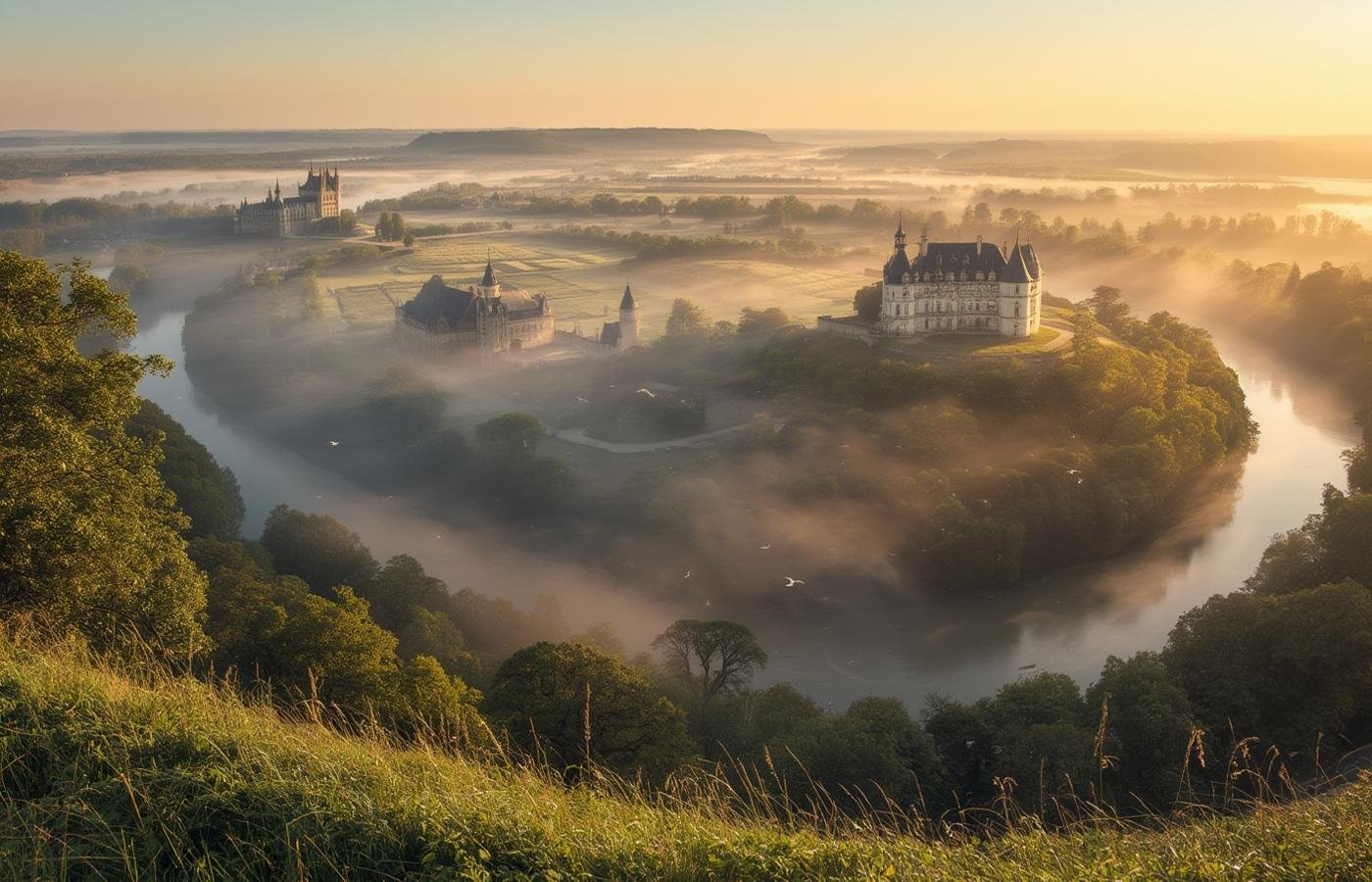
The Loire Valley châteaux form the largest UNESCO-listed stretch of river landscape in France, celebrated for harmonious gardens, wine culture, and layers of royal and artistic history. With over 3,000 castles in the region, these sites attract heritage travelers, garden lovers, architects, and event-goers alike. In 2023, French national monuments welcomed 11.6 million visitors, a testament to their ongoing appeal. Local events, wine tastings, and garden festivals transform these châteaux into dynamic venues where past and present converge, making the region vital for heritage tourism, cultural exchange, and local economies.
Top châteaux in the Loire Valley for 2023–2024: overview and rankings
While official per-site visitor tallies for 2023–2024 are limited, some châteaux consistently attract the largest crowds. Chenonceau, the most visited private castle in France, stands out for its iconic gallery over the Cher River. Amboise and Ussé also rank high in popularity, supported by social media exposure and their accessibility from nearby cities. If time is tight, first-time visitors should prioritize Chenonceau for its fairytale silhouette, Amboise for history and Leonardo da Vinci’s legacy, and Azay-le-Rideau for Renaissance charm and reflection in water. Others, like Chaumont-sur-Loire and Villandry, are seasonal magnets due to renowned gardens and unique event programming. While consolidated annual numbers are not always public, these châteaux remain the region’s headline experiences.
Selecting when and where to visit for the best Loire Valley château experiences
Crafting an itinerary around the best Loire Valley châteaux to visit depends on timing, personal interests, and logistics. May through September are ideal for vibrant gardens and the main cultural events, such as the Villandry summer illuminations or the spectacular garden festival at Chaumont-sur-Loire (April to October). For day-trippers from Tours, Chenonceau, Amboise, and Villandry provide an efficient route. Multi-day explorers can loop from Orléans toward Blois, Chaumont, and Saumur, or sample the outstanding Loire wines alongside châteaux stops. For families, Clos Lucé offers Leonardo da Vinci-themed activities, while Rivau’s playful gardens or the escape games at Islette add interactive fun. Off-season visits trade lush gardens for lower crowds and moody atmosphere, but check for reduced hours or partial closures. Booking special experiences like nighttime garden shows or tastings in advance maximizes your chances, especially during peak summer weekends.
Essential planning for visiting Loire Valley châteaux
When planning a visit to Loire Valley châteaux, research is crucial. Timed tickets, guided or self-guided options, and varying schedules can mean the difference between a smooth visit and lost time. Entry fees and opening hours shift by season, and not all châteaux offer up-to-date English-language information. For 2024, always consult official château websites before finalizing plans. Public transit connects major towns to a handful of châteaux, but a rental car is often the only way to explore smaller gems or string together multiple sites efficiently. Bike touring is increasingly popular for the adventurous, with dedicated routes and rental networks. Families, travelers with mobility needs, or those keen to see multiple sites in a day should verify accessibility and parking policies at each château. Large sites may offer combo passes or audio guides, but quantities are sometimes limited during festival days or renovations.
Common challenges and practical solutions for château visitors
While the magic of the Loire Valley is undeniable, some practical hurdles await. Peak-season crowding at marquee sites like Chenonceau can mean long waits—even with tickets in hand. Not all châteaux, especially the oldest, are fully accessible; stairs, cobbles, and narrow corridors can be tricky for visitors with mobility needs. Public transport rarely offers doorstep access, and some rural châteaux have limited parking. Ticketing is not always unified, and special exhibitions may require separate reservations. As recent first-hand reports and official sites remain your best source for specific up-to-date advice, it’s wise to scan recent traveler reviews and accessibility pages.
Architecture and innovation: signature styles in Loire Valley châteaux
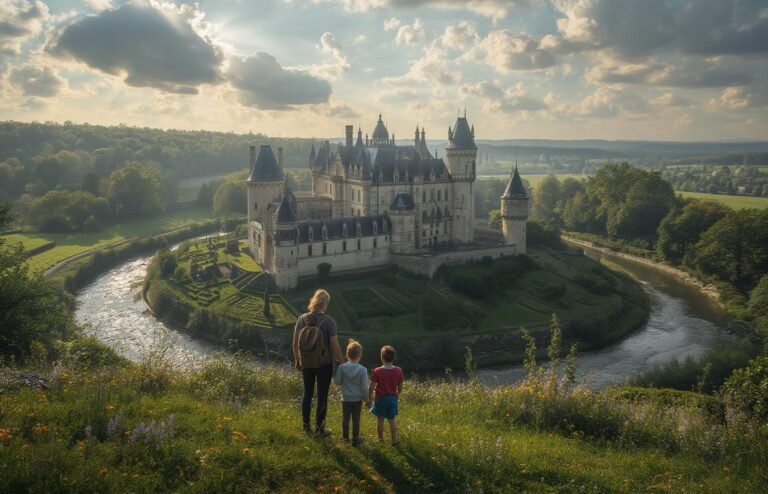
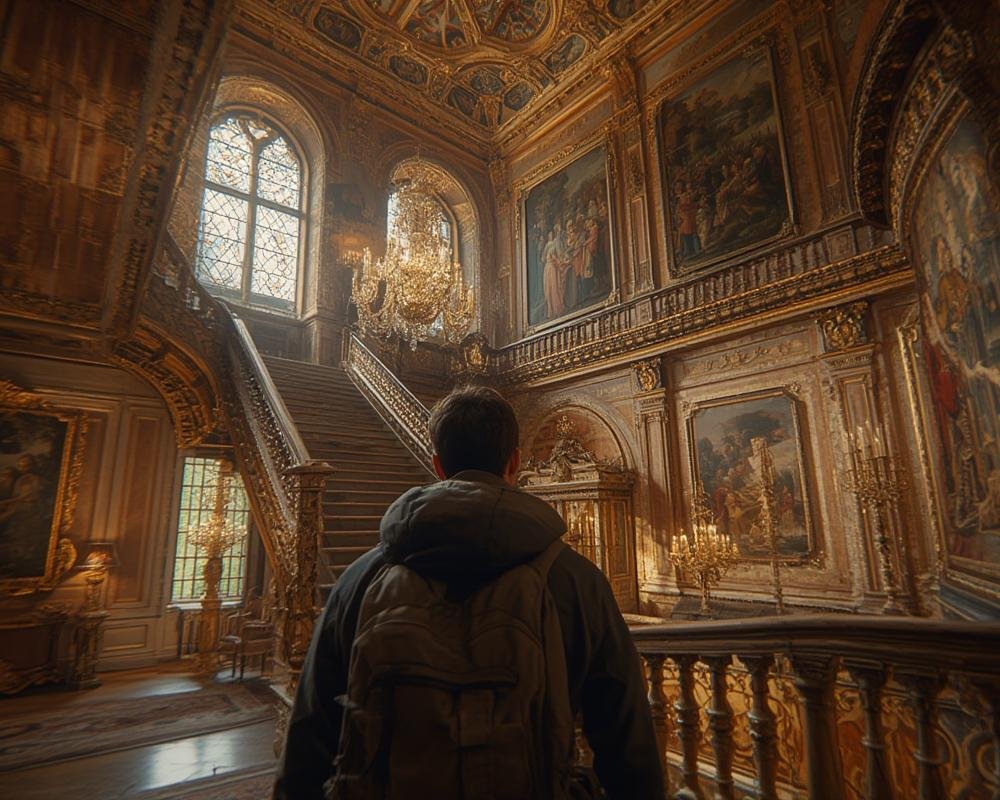
Loire Valley châteaux architecture mirrors centuries of innovation. Early medieval strongholds, like the Royal City of Loches, feature imposing keeps (donjon) and defensive ramparts. The Renaissance surge brought airy galleries, ornamental façades, and vast formal gardens. Chenonceau’s gallery stretches directly over the Cher, creating a bridge between history and landscape. Azay-le-Rideau is a jewel reflected in water, harmonizing late Gothic structure with early Renaissance elegance. Chaumont-sur-Loire displays a transformation from military fortress to refined estate and contemporary art hub. At Clos Lucé, visitors find ingenious 3D models of da Vinci’s inventions integrated into its museum route. Each château tells its own story through architectural fusion, preservation, and adaptation.
Major historical events that shaped Loire Valley châteaux
The Loire Valley châteaux history is entwined with France’s shifting fortunes. Renaissance royal patronage transformed defensive castles into grand showpieces. Periods of political tension, such as the Wars of Religion, saw châteaux like Amboise at the center of intrigue and tragedy. The Royal City of Loches welcomed figures such as Joan of Arc and Anne of Brittany. Later threats, including wartime occupation in the twentieth century, spurred both preservation efforts and, in some cases, resulted in damaged treasures. However, many châteaux emerged with renewed missions—showcasing art, science, and local identity. For detailed links between specific events and individual castles, extended research into archaeological and archival records fills in the gaps left by tourist materials.
Logistics, routes, and insider itineraries for château visits
Efficient planning a visit to Loire Valley châteaux benefits from realistic time budgeting and smart routing. For a three-day adventure from Tours, start with Chenonceau, Amboise, and Clos Lucé (focusing on royal legacy and da Vinci). Day two can follow the river west to Azay-le-Rideau and Rivau, where garden immersion and canoeing await. Day three targets Chaumont-sur-Loire’s garden festival, paired with Blois’s vibrant historic center. Five-day itineraries layer in Chambord, Saumur, and perhaps truffle foraging at selected estates in January–February. For a car-free trip, trains from Tours or Orléans connect to Amboise, Blois, and Saumur, but more remote estates require local buses, bikes, or taxi links. Allocate at least two hours per château, more if attending events or guided tours. Specialized experiences—such as electric-boat cruises under Chenonceau or stays at thematic hotels—enhance immersion beyond daytime visits.
Immersive experiences and family-friendly interactive options
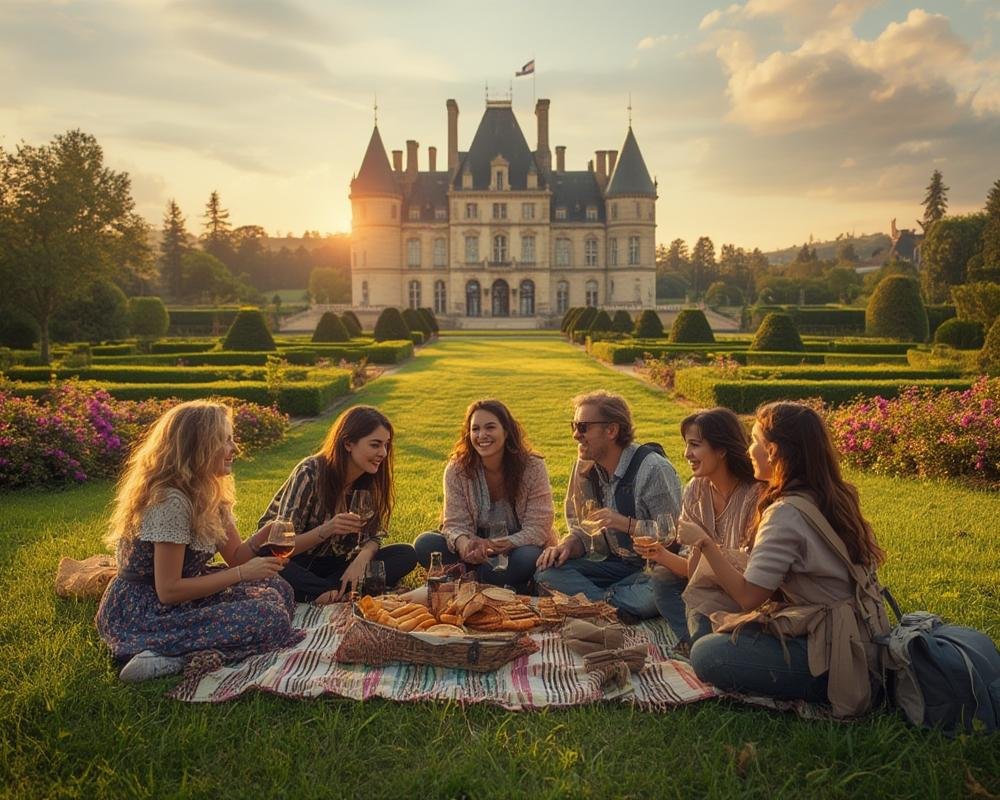
Modern Loire Valley castles are pushing boundaries with augmented reality, games, and live events. Histopad tablets, which animate vanished interiors or historical figures, are offered at key sites including Royal Amboise, Loches, and Chinon. Families and groups enjoy interactive escape games at Rivau, Islette, Gizeux, and the da Vinci-themed park at Clos Lucé. Summer highlights at Amboise include panoramic picnics and nighttime performances. The garden festival at Chaumont-sur-Loire blends outdoor art with landscape innovation, while Villandry’s luminous evenings bring the gardens to life. These experiences motivate return visits and attract younger audiences, allowing visitors to step into history rather than simply observe it.
Three original themes that set your Loire Valley châteaux visit apart
Chaumont-sur-Loire’s contemporary garden culture
Chaumont-sur-Loire serves as a living laboratory for forward-thinking garden design. Its International Garden Festival, running April to October, draws landscapers and artists from across the globe. The estate’s broader cultural program integrates contemporary art within historic settings, making for a dynamic, ever-evolving visit that goes well beyond traditional heritage site tours.
Wine tourism woven into château itineraries
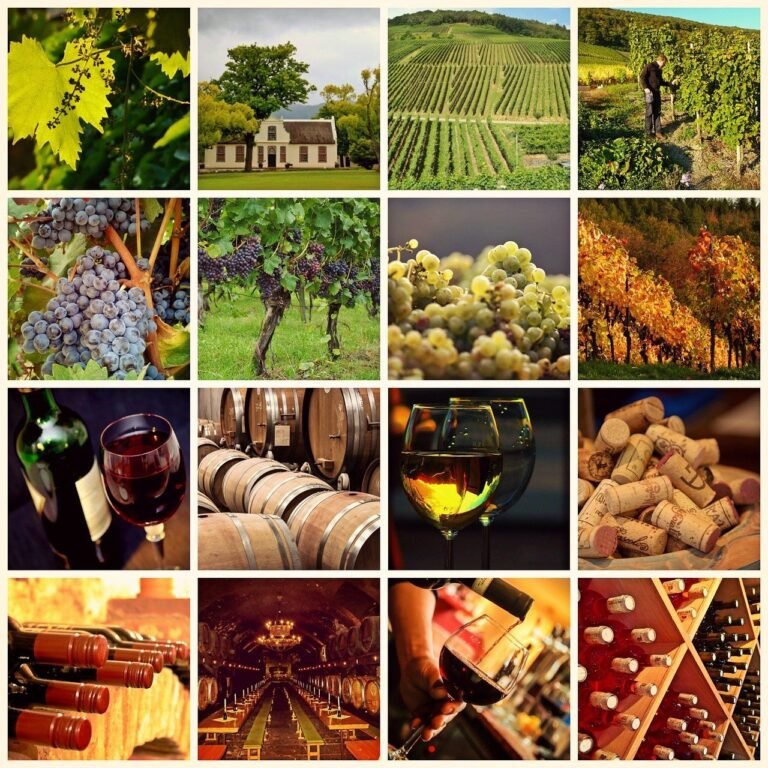
Wine enthusiasts find fertile ground in the Loire, where vineyard visits and château stops intersect naturally. In 2023, wine tourism in the region drew 1.9 million visitors to 350 cellars and generated €94 million, highlighting the sector’s regional impact. Combining tastings with castle visits offers a holistic sense of place. For detailed information about wine tourism statistics and trends, see the official InterLoire report Loire Valley wine tourism overview.
Immersive technology and creative events for broader audiences
With the adoption of Histopad tablets and a growing slate of creative escape games, châteaux are actively engaging tech-savvy and younger visitors. This trend modernizes the visitor journey, blending historical storytelling with digital and interactive layers that break from the static museum model and make every visit unique.
Authoritative resources and what must be verified
Accuracy is critical when planning a visit to Loire Valley châteaux. Always check each château’s official website for the latest on opening hours, entry fees, tour reservations, and accessibility. For wine tourism data, consult the regional InterLoire reports. Confirm current visitor numbers and event dates with the Centre-Val-de-Loire tourism board and, where needed, direct press contacts. Pay attention to real-time notices about renovations or closures, as these may impact your preferred itinerary—especially outside the main season. Cross-reference any third-party information with official sources to catch discrepancies in pricing or availability, and check for updates on transit options or local pass deals.
Best practical next steps for your Loire Valley châteaux trip
The best Loire Valley châteaux to visit blend inspiring architecture, interactive culture, and the rhythms of garden and wine tours. Book timed tickets in advance, check for digital guides like Histopad, and build your days around both headline events and local secrets. Prioritize May to September for peak gardens and festivities, or choose quieter seasons for reflection and special winter experiences. Organize your packing list with layered clothes, a sunhat, reusable bottle, and sturdy shoes. Review trusted château websites for final logistics and start crafting an itinerary that fits your style, pace, and thirst for discovery.