
French table manners: Best Guide to Dining With Confidence
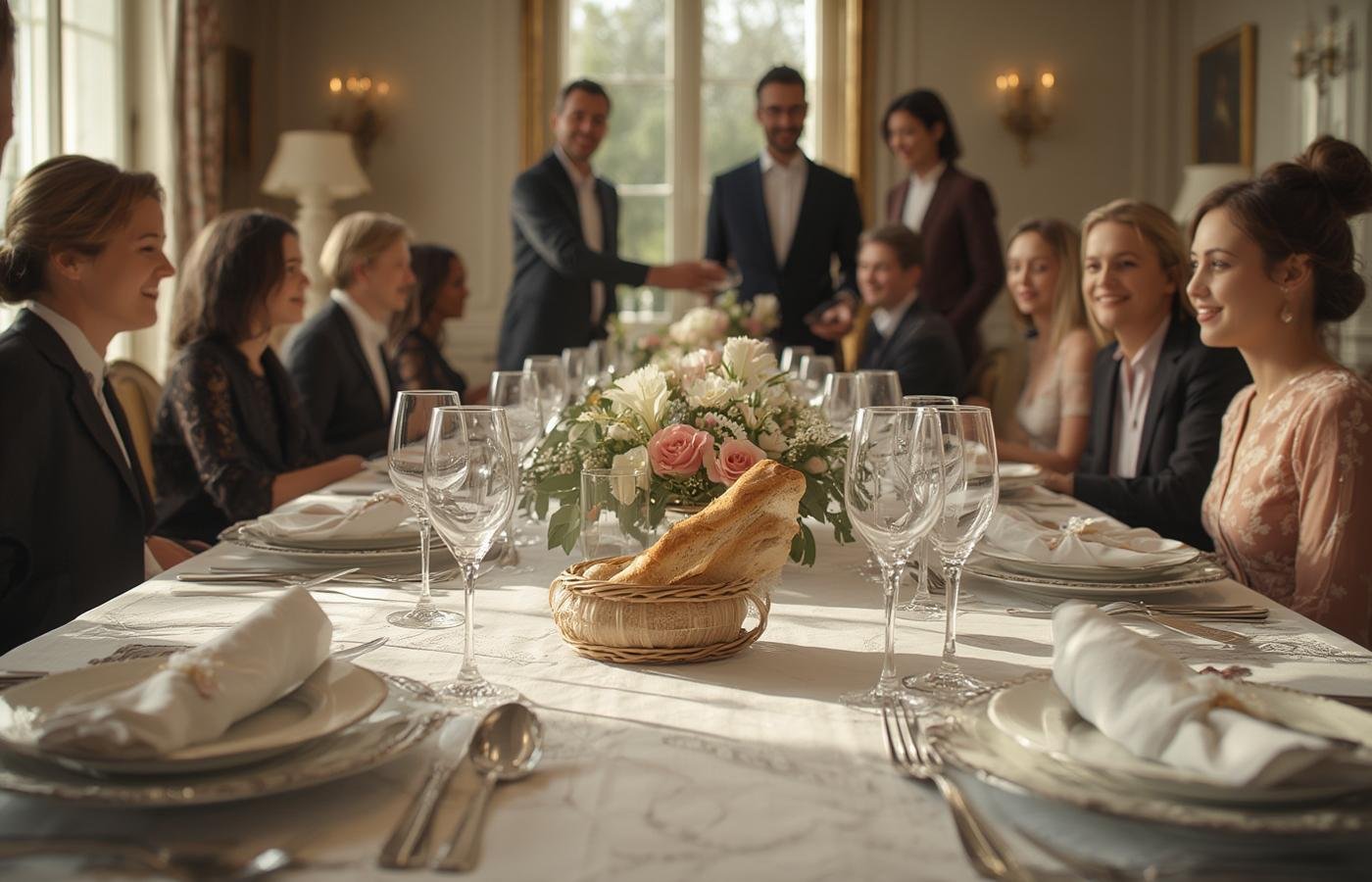
French table manners are a blend of practical habit and deep cultural tradition. If you are planning to dine with locals in France, a little preparation can go a long way to avoid those classic “tourist mistakes” that immediately reveal you as an outsider. This guide covers essential habits and realistic, evidence-driven tips, plus short recovery scripts, to help you navigate French tables with poise.
Key Takeaways
- Understanding French table manners helps guests and travelers fit in and minimize embarrassing situations.
- Top mistakes by foreigners include incorrect use of bread, napkins, and table gestures, but quick fixes are available for most errors.
- Polite phrases, small gestures, and observing dining order will earn you extra respect at any French meal.
- Essential table etiquette for immediate confidence
- How to succeed in typical French dining situations step by step
- Insider details and frequent pitfalls with practical fixes
- Understanding specific scenarios that most advice overlooks
- Perceptions around regional differences and the evidence
- What to expect when invited to a formal French meal
- How to handle conversation and avoid awkward moments
- Sample phrases and common micro-behaviors for French tables
- Six real-life dining scenarios and what to do if you slip up
- Cheat sheet and visual cues to keep on hand
- Current research gaps and ideas for further learning
Essential table etiquette for immediate confidence
Every French meal has invisible boundaries that locals notice instantly. Here’s your rapid one-page summary based on leading etiquette sources:
- Napkin: Place it on your lap as soon as you sit. Never tuck into your collar or use as a bib.
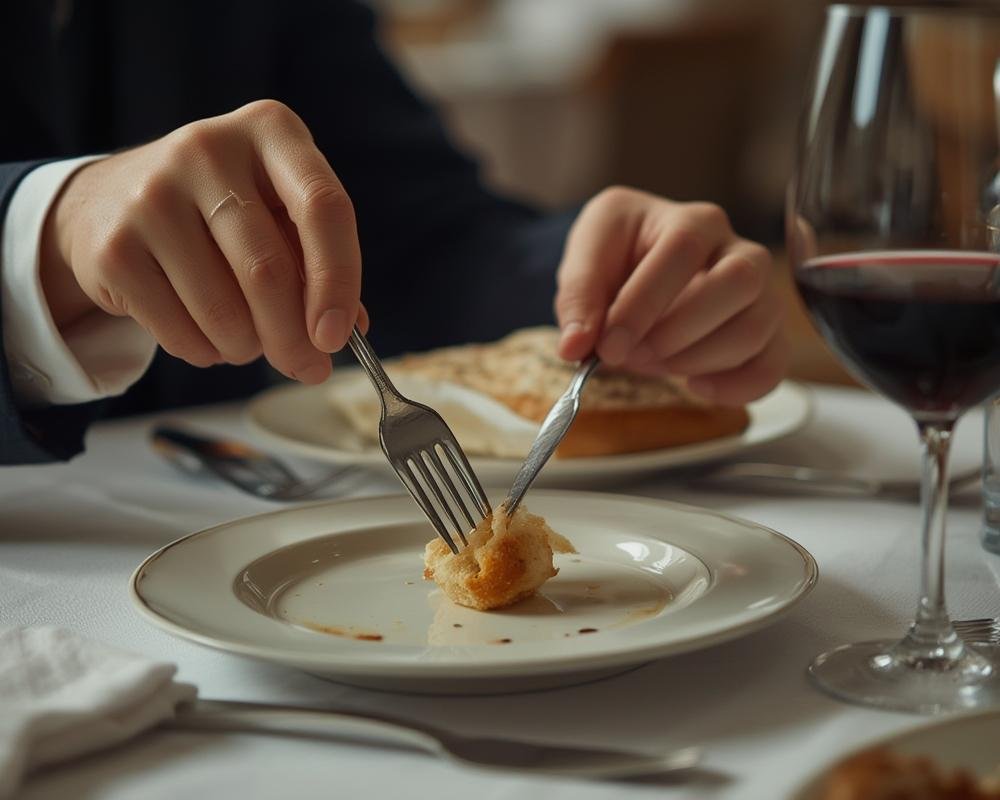
- Bread: Tear small pieces directly from the loaf or roll and bring them to your mouth. Don’t bite directly or expect butter, except at breakfast.
- Hands: Keep both in view, resting your wrists (but not elbows) on the table edge—not your lap.
- Elbows: Never rest both elbows on the table during the meal. Women casually propping one elbow is sometimes acceptable in chic circles.
- Utensils: Knife and fork stay in your hands (Continental style). To show you are finished, place them parallel on the right side of the plate, tines up.
- Serving order: Soup typically arrives before the main dish, with salad served after rather than before the entrée.
- Bread mop: After your main course, use leftover bread to wipe up any remaining sauce, signaling satisfaction.
- Cheese etiquette: Take only one serving from the cheese platter. More is considered greedy.
- Wait to eat: Never begin before the host and until everyone is served.
- Signaling finished: Keep utensils parallel (often at five o’clock) on the plate; crossing them signals you’re still eating.
Most guides and online etiquette experts agree on these points, and they are consistently cited as indicators of polite behavior at French tables.
How to succeed in typical French dining situations step by step
- On arrival, greet every person individually, either verbally or with a handshake.
- Take your seat only when invited. In restaurants, wait to be seated by staff, never seat yourself unless shown.
- Place your napkin on your lap and scan the table for bread, cutlery, and glasses.
- Wait patiently until the host signals to start. Resist urges even if hungry.
- Use the correct cutlery for each course and keep your hands visible without fidgeting.
- Join in on the host’s toast by making brief eye contact, responding with “Santé!”
- Compliment the food sincerely by saying “Ça a l’air délicieux.”
- Clean your plate, then use small torn bread to dab leftover sauce or juices.
- After the cheese course, select only one small portion and avoid asking for extra helpings.
- Thank your host at the end, and say goodbye to every guest individually before leaving.
Insider details and frequent pitfalls with practical fixes
The same blunders resurface in French restaurants and homes:
- Placing elbows on the table at the wrong time triggers cold stares. Rest only your wrists when not cutting or eating.
- Foreigners often bite bread directly or expect butter, which suggests a lack of awareness. Tear off each mouthful instead.
- Using your napkin as a bib is a visible red flag. Place it on your lap immediately after sitting.
- Asking for seconds or more cheese can be read as improper. Accept what you’re given and compliment warmly.
- Calling the server “garçon” is considered rude. Use “Monsieur,” “Madame,” or “Excusez-moi.”
- Starting to eat before being prompted is impolite. Always wait for all to be served and the host’s signal.
Locals may respond with awkward silence, a cool demeanor, or may reposition guests who disregard etiquette. While there is little quantifiable research on the exact reactions, social listening and etiquette trainers agree these mistakes mark tourists out immediately.
Recovery strategy: If you slip, simply smile, apologize softly, and quietly adjust your behavior. Politeness and humility go far in France.
Understanding specific scenarios that most advice overlooks
Three details confuse travelers and are almost never covered in standard guides:
- Soup then salad: Soup appears first, while salad comes after the main dish, not before. This reversal trips up many guests from countries where salad is served first. Try not to look surprised and follow the serving flow.
- Wine toasts: Only take a sip after the host initiates, making eye contact, and saying “Santé!” Jumping ahead is seen as disrespectful to both host and table tradition.
- No noisy eating: Loud chewing, slurping, gargling, or burping is strictly unappreciated—even when compared to some other European countries where such noises are tolerated. “Do this”—chew with your mouth closed and as quietly as possible at all times.
Master these and you’ll stand out in a very good way.
Perceptions around regional differences and the evidence
The idea that etiquette varies from Paris to Provence is popular, but existing research found no polls, expert interviews, or hard data confirming distinct regional practices in French table manners. General national customs dominate. Some locals and bloggers may describe rural meals as a touch less formal or upbeat in the south, but these are anecdotes rather than universally recognized rules. Travelers should confidently follow standard etiquette everywhere. For deeper insights, interviews with etiquette instructors or social scientists are still needed.
What to expect when invited to a formal French meal
Formal invitations in France signal increased attention to manners and small social details. Here is what to expect and plan for:
- Gift for the host: Always bring a thoughtful gift such as a quality wine (never supermarket “vin de table”) or a homemade treat. Flowers or fine chocolates are also welcome. Cost is less important than tastefulness.
- Timeliness: Arriving 10–15 minutes after the official time is standard—early arrivals may inconvenience the host.
- RSVP: If invited, respond promptly and clearly, using gracious phrasing such as “Merci, j’accepte avec plaisir.”
- Seating protocol: Wait to be told where to sit, and greet every person—even if you must cross the room. Politeness outweighs convenience.
- Dress: No fixed dress codes, but dress neatly and avoid extremes. Understated style is valued.
- Complimenting the food: Use “Ça a l’air délicieux” to praise the meal, and avoid the controversial “bon appétit.”
- Do not: Ask for seconds, heap your plate, or linger too long after dessert unless prompted.
This approach will help any guest make a gracious impression—and opens the door to genuine hospitality. For a broader look at these social codes, see our French culture and etiquette guide.
How to handle conversation and avoid awkward moments
Table conversation in France is both ritual and pleasure. Here’s how to participate:
- Wait to begin eating or drinking until everyone is served and the host indicates the start.
- Participate in toasts only after the host leads, making eye contact and raising your glass. “Santé!” is customary.
- Keep hands visible and avoid fidgeting, checking your phone, or placing elbows fully on the table.
- Greet every guest and respond warmly, trading short phrases and polite smiles.
- Topics such as money, politics, religion, and body-related jokes are best avoided, especially with new acquaintances.
- If you misspeak or break the rhythm, a soft “Pardon” or a quick change of topic gets you back on track.
Avoid calling servers “garçon” and instead use respectful titles or a gentle “excusez-moi.” These small details are noticed.
Sample phrases and common micro-behaviors for French tables
Knowing a few polished words and actions will help you glide through almost any social meal:
- On arrival: “Bonsoir tout le monde!” (Good evening, everyone!)
- Toasts: “Santé!” (Sahn-tay, Cheers!) only after the host, while making eye contact.
- Complimenting the meal: “Ça a l’air délicieux.” (Sah ah lair day-lee-syuh, That looks delicious.)
- Asking for the bill: “L’addition, s’il vous plaît.” (Lah-dee-syon seel voo pleh, The bill, please.)
- Thanking the host: “Merci beaucoup, c’était un superbe dîner!” (“Thank you very much, that was a wonderful dinner!”)
Remember: never say “Bon appétit” at a host’s formal home meal; in casual or restaurant contexts, it’s more accepted if someone else starts first.
Six real-life dining scenarios and what to do if you slip up
- Restaurant meal: Wait to be seated, keep napkin on lap, signal for the bill with “L’addition, s’il vous plaît.” If you call someone “garçon,” quickly switch to “Monsieur/Madame” and apologize with a smile.
- Home dinner: Arrive slightly after the set time, greet all, and bring a quality wine or treat. If you arrive exactly on time, apologize with “Désolé d’être pile à l’heure, j’espère que ce n’est pas trop tôt.”
- Formal banquet: Follow lead of host; if confused about courses or cutlery, watch neighbors. If you accidentally eat out of sequence, look modest and quietly follow the group without fuss.
- Family lunch: You may see relaxed manners, but basics still apply. If you take two portions of cheese, place the second back—“Pardon, je découvre la coutume française !”
- Cheese course: Take one small wedge. If you reach for more, immediately thank the host and step back.
- Wine tasting: Do not drink before the host. If you sip too soon, say, “Oups, c’est tellement bon que j’en ai oublié la règle, pardon !”
Cheat sheet and visual cues to keep on hand
- Napkin goes on your lap—never around your neck.
- Tear bread into small bites—no biting directly from the loaf.
- Keep wrists visible but not elbows on table.
- Utensils set parallel when finished eating.
- Wait for the host before starting or toasting.
- Bring a thoughtful gift; one cheese serving only.
- If you make a mistake, quietly correct yourself and move on.
Tip: Print this checklist or snap a discreet photo on your phone for easy access.

Current research gaps and ideas for further learning
No public surveys, polls, or official studies currently quantify just how seriously French adults rate table manners, or document regional etiquette differences or host reactions in detail. If you want the most authoritative update, look for future research including:
- Polls measuring the importance of table manners among French adults.
- Surveys on how hosts respond to foreign guests’ mistakes at the table.
- Expert interviews with etiquette trainers and sociologists for truly up-to-date tips.
Keep an eye on updates from expert-led resources dedicated to French greetings etiquette for bonus context and timely advice.
Frequently asked questions about French table manners
Is it ever acceptable to eat with your hands in France?
Certain casual foods (sandwiches, small fruit) are fine by hand, but steak frites and similar dishes should always use cutlery in public or formal company.
Can I ask for seconds if I really love the food?
In most settings, asking for seconds is seen as greedy rather than flattering. It’s best to compliment the host and accept the portion you are served.
What do I do if I forget to wait for the host before starting a meal?
Quietly pause, apologize softly if noticed, and wait for the host’s cue before continuing. French hosts appreciate humility and effort to fit in.
Why is “bon appétit” discouraged at formal dinners?
For some, the phrase refers too directly to digestion, which is considered impolite. At formal home meals, better to say “Ça a l’air délicieux” as a compliment to the food.