French Wine Regions: Best Guide To Visiting, Tasting 2025
French wine regions are experiencing a pivotal year for travelers and wine buyers: 2024–2025 brings fresh production shifts, export squeezes, and unique challenges for planning the perfect tour. This up-to-the-minute guide blends the latest numbers with hands-on tips, demystifying how changes on the ground will shape your next trip—and your wine rack.
Key Takeaways
- French wine exports in 2025 fell 4.1% by value to €10.5 billion, and 2.8% by volume, boosting demand and prices in prestige regions.
- Champagne, Bordeaux, and Burgundy now account for 69% of export value—leading to tighter allocations but also richer tasting experiences for visitors.
- 2024–2025 forecasts show volatile production: some regions rebound (Burgundy +45%), while others shrink (Languedoc-Roussillon -9%, Beaujolais -32%).
- Quick snapshot — France’s 2024–2025 wine picture
- Why 2024–25 is different: concentration and volatility
- Regional production snapshot: who’s up, who’s down?
- The appellation systems (AOC/AOP): how they work
- Signature grapes and tasting cheat-sheet by region
- Best French wine regions to visit
- Practical travel pain points and how to avoid them
- Wine tours and tasting costs: value and expectations
- Maps, resources and reliable references
- Gaps other guides miss
- Sources, further reading and data transparency
Quick snapshot — France’s 2024–2025 wine picture (what’s changed and why it matters)
After a turbulent few years, France’s 2024–2025 wine exports saw a significant adjustment: exports dropped to €10.5 billion (-4.1%) and 10.9 million hectoliters (-2.8%), matching 2021 levels. Rising tariffs in the US and sharply reduced demand in China are driving these numbers. The focus has sharpened on premium bottles and in-person tasting experiences, particularly in the powerhouse regions—Champagne, Bordeaux, Burgundy—that together now command 69% of France’s export value. For travelers, this means elevated prices in these areas, but also a heightened push among producers to impress guests at cellar doors and private tastings.
Why 2024–25 is different — concentration and volatility as a planning factor
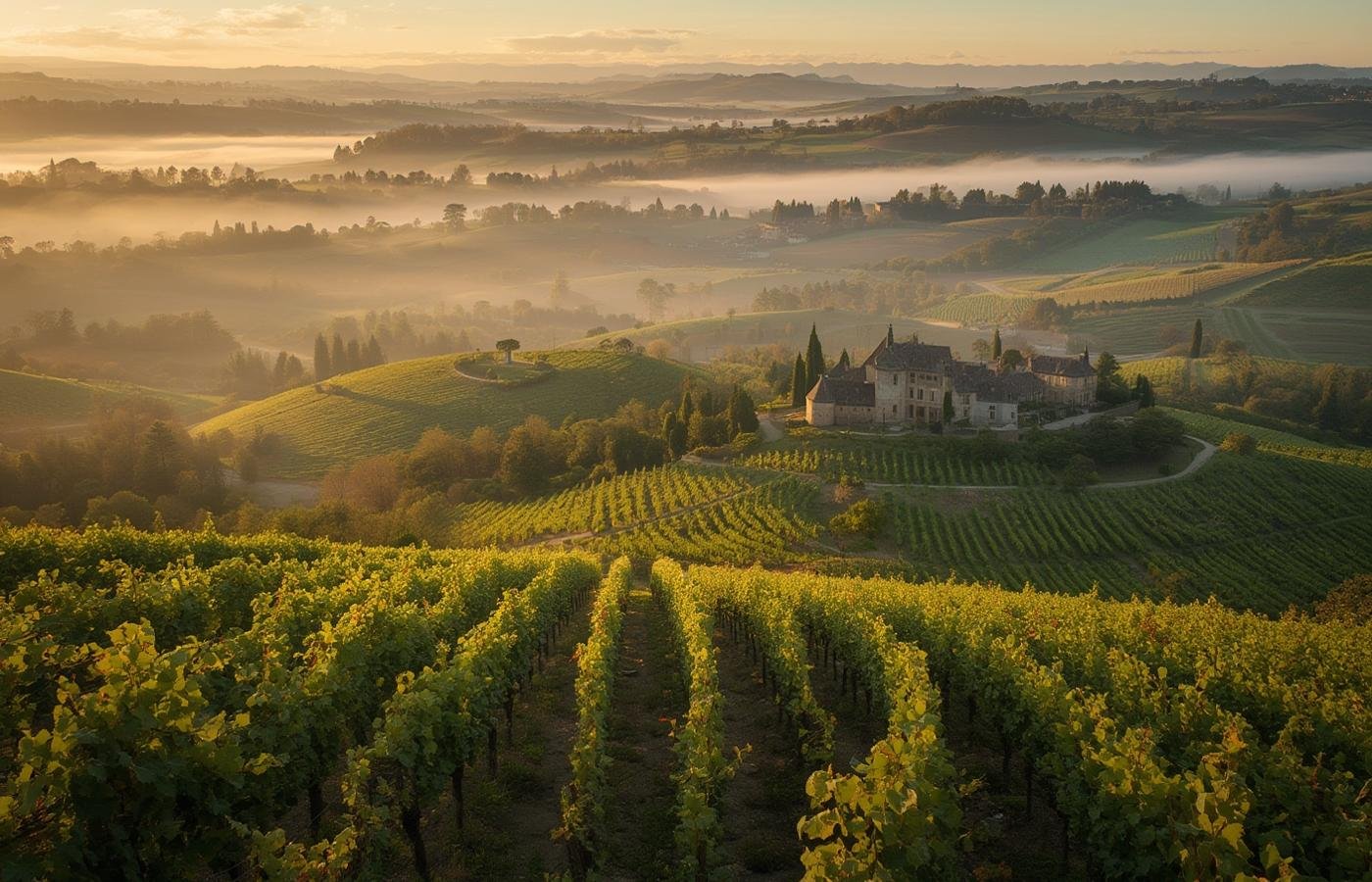
The landscape of major wine regions in France is more concentrated than ever: Champagne (20% of total exports), Bordeaux (19%), and Burgundy (15%) account for two-thirds of value. This means the prestige and fame of these zones continue to grow, often drawing more visitors—but smaller output and export volatility are making trips here less predictable and sometimes pricier. Meanwhile, regional production forecasts in 2025 swing widely across the country. If you’re debating which best French wine regions to visit, weigh these extremes carefully—some locations may have slim pickings or even temporary closures, while others celebrate record harvests and new openings.
Regional production snapshot — who’s up, who’s down (quick stats by region)
Here’s how the french wine regions stack up for 2024–2025, based on the latest official numbers:
- Languedoc-Roussillon: -9% (9M hl); heat, drought, mildew, and 10,000 ha of vineyard removals mean less volume—expect fewer inexpensive bottles but more focus on quality cellars.
- Charentes (Cognac area): -2% (8M hl); more selective bottlings, but stable for visitor experiences.
- Champagne: +14%; big rebound year, though still 10% below five-year average—great for tasting a diversity of styles at both grandes maisons and independent producers.
- Burgundy: +45%; a revitalized region with larger yields, possibly more accessible tasting rooms and slightly less price pressure.
- Beaujolais: -32%; lowest production in years—expect some touring/tasting limitations and focus on key villages.
- Loire Valley: +15% (2.4M hl); fresh, abundant vintages and an uptick in dynamic wine tourism, especially for whites and sparkling.
- Alsace: Slight decrease in output; no major travel impacts but some bottlings may be tighter than usual.
- Provence & South-East: Stable (4.5M hl); excellent for rosé-focused trips, with hundreds of welcoming domaines.
- Bordeaux/South-West: -2%; continued vineyard removals mean some classic bottles are scarcer, but tourist infrastructure remains strong.
AOP wines (the most strictly regulated): +5% to 15.9M hl; IGP (more flexible): -6% to 10M hl. (Source: Agreste Oct 2025)
The appellation systems (AOC/AOP) — how they work and the strict rules
If you’re using a guide to french wine regions, you’ll see “AOC” or “AOP” on nearly every label. These are France’s tightly controlled appellations (now called Appellation d’Origine Protégée/EU). They set the rules on what grapes can be grown, where, and how: everything from harvest dates to maximum allowed yields, alcohol levels, and even the look of the label. For visitors, this means you can trust that a Sancerre, Bordeaux, or Chablis is held to much stricter, region-specific standards than any table wine. In 2025, total AOP wine production is expected to rise about 5%, highlighting the premium focus of most french wine regions. There is no unified public breakdown of AOP regulations by region; if you seek style or rule specifics, be ready to check each AOP’s own website or visit local tourist boards for guides and maps.
Signature grapes and tasting-note expectations by region (practical tasting cheat-sheet)
Comprehensive consumer tasting note data for each region isn’t available, but here’s a practical cheat sheet for major france wine regions explained by grape and common descriptors:
- Bordeaux: Cabernet Sauvignon, Merlot, Cabernet Franc. Typical: full-bodied, firm tannins, blackcurrant, plum, cedar; best with lamb, beef, or strong cheeses.
- Burgundy: Pinot Noir, Chardonnay. Typical: red berries, earthy/mineral, bright acidity (reds); citrus, hazelnut, chalk, creamy texture (whites); pairs with poultry, mushrooms, regional cheeses of France.
- Champagne: Pinot Noir, Chardonnay, Meunier. Typical: crisp acidity, brioche, apple, citrus, fine bubbles; classic with oysters, caviar, or as aperitif.
- Loire: Sauvignon Blanc, Chenin Blanc, Cabernet Franc. Typical: grassy, crisp, citrus, floral, sometimes honeyed (sweet styles); great with goat cheese, seafood, or salads.
- Rhône: Syrah, Grenache, Mourvèdre, Viognier. Typical: spicy, peppery, herbal (reds); stonefruit and floral (whites); pairs well with grilled meats, ratatouille, lamb.
- Alsace: Riesling, Gewurztraminer, Pinot Gris. Typical: aromatic, floral, lychee, mineral, vibrant acidity; excellent with pork, spicy foods, Asian cuisine.
- Languedoc-Roussillon: Grenache, Syrah, Mourvèdre, Carignan. Styles range from robust reds to crisp rosés; expect ripe fruit, herbs, occasionally smoky; best with grilled meat, stews, and Mediterranean fare.
- Provence: Grenache, Cinsault, Mourvèdre (for rosé). Styles: pale, crisp, strawberry, citrus; pairs with seafood, salads, and lighter fare.
Vintage and subzone matter. If in doubt, ask the winemaker or host which local pairing is best—or check guidance from French cuisine experts for classic matches.
Best French wine regions to visit — who’s best for day trips, food, scenery, and value
Top 5 Regions to Visit in 2024–2025 & Why
- Champagne: Best for bucket-list tastings, bubbles, and historical cellars. Base in Reims or Épernay. Ideal trip: 2–3 days.
- Burgundy: Top for wine-nerds and foodies, plus scenic villages. Stay in Beaune or Dijon. Ideal trip: 3–4 days.
- Loire Valley: Perfect for castles, gardens, and approachable variety. Base in Tours or Saumur. Ideal trip: 3–5 days.
- Languedoc-Roussillon: Hits the sweet spot for value, scenery, Mediterranean food, and local winemakers. Base in Montpellier or Narbonne. Ideal trip: 2–4 days.
- Rhône Valley: Big reds, Roman ruins, lively markets. Base in Avignon or Tain-l’Hermitage. Ideal trip: 2–4 days.
Real visitor experience data for tour value, cost comparisons, or regional service quality is unavailable as of this writing. However, travel forums consistently recommend combining cities for food/scenery (Beaune + Lyon for Burgundy, Avignon + Tain for Rhône) and booking in advance for headline domaines. If you have more time, regions like Alsace, Provence, and Bordeaux also offer rich tasting and food pairings, but expect higher travel costs in Bordeaux and Provence, especially in high season.
Looking for the perfect bite with your glass? See our guide on French cuisine for authentic regional food-and-wine matches.
Practical travel pain points and how to avoid them (logistics, language, timing, and booking tips)
While hard data is missing, here’s a realistic checklist to avoid common French wine region travel frustrations:
- Transport: Major regions usually require a car for rural domaines; trains/buses reach main towns, but smaller estates need taxi/driver or group tour.
- Driving: Strict alcohol limits (0.05% BAC); ask about local alternatives if planning to taste much.
- Appointments: Many top domaines (especially Burgundy, Bordeaux) require advance booking weeks in advance. Don’t expect to drop in everywhere, especially at smaller family estates.
- Seasons: Harvest (Sept–Oct) brings closures, and winter off-season may see some tasting rooms shut. Check regional tourist board websites or call ahead during November–March.
- Language: English is spoken at bigger houses, less so at small domaines; learn keywords (“dégustation”, “parler anglais?”) or consider a translator/guide.
- Guides/Tours: Private or small-group tours solve both driver and language issues; costs vary widely but bring access to otherwise closed cellars.
If in doubt, opt for major tourist towns as a base (Beaune, Reims, Bordeaux, Avignon) and arrange rural visits through hotels or operators.
Wine tours and tasting costs — what to expect and where to find best value
No official 2024 data exists for average wine tour or tasting costs in the best french wine regions to visit. Generally, tastings run from free (more common in Languedoc and parts of the Loire) to €10–€40 at famous domaines, sometimes refunded with bottle purchase. Exclusive tours or private tastings at prestigious houses (Champagne, Bordeaux, Burgundy) can reach €50–€150 per person or more—often worth it for access and memorable encounters. Value is best where tourism is less crowded or focused on passionate, family-run estates (Languedoc, Alsace, much of the Loire). For current pricing, always check domain websites, tourist boards, or ask your hotel for updated rates and recommended local guides.
Maps, resources and the most reliable references
Though there is no official open-source french wine regions map, top choices are regional wine council maps or interactive platforms run by regional tourist boards. Look for maps that clearly indicate AOP zones, main transport hubs, and tasting room clusters. Cross-check map boundaries and designations against official regional websites—accuracy and label details can vary. As an example, the interactive Burgundy vineyard map lays out every appellation, making it easy to plan thematic tastings and routes.
Gaps other guides miss — what makes this guide different
Many travel blogs and generic wine guides skip two critical points:
- Export market concentration: Three regions—Champagne, Bordeaux, Burgundy—now claim almost 70% of export value, so visitor experiences and pricing there face sharp changes year-to-year.
- Production volatility: From Languedoc removals to Burgundy booms, which region feels “open for business” shifts rapidly each vintage, affecting availability, crowds, and day-to-day touring logistics.
- Practical roadblocks: Most guides blur real travel pain points. This article confronts challenges—advance appointments, closures, and language barriers—upfront so you avoid costly mistakes.
Sources, further reading and data transparency (how we compiled the numbers)
Statistics in this guide come directly from:
- French Ministry of Agriculture (Agreste, October 2025 edition)
- Wine Intelligence (global export data, trend commentary, 2024–2025)
- OIV (International Organisation of Vine and Wine)
- Drinks Business and Tridge marketplace reports (2024–2025)
Note on data gaps: No official data was available for 2024 visitor costs, tour prices, comparative regional travel experiences, or mapped AOC/AOP rules by region; for these, we offer only qualitative and practical insights. Headline numbers: French wine exports totaled €10.5 billion in 2025 (down 4.1%), 10.9M hl exported (down 2.8%); national production forecasts for 2025 range widely by source, reflecting ongoing climate and market adjustments.
Conclusion
Visiting the french wine regions in 2024–2025 is a journey unlike any in recent decades, shaped by shifting markets, unpredictable weather, and rapidly evolving travel realities. Bring flexibility, do your homework, and use the above region-by-region insights for planning truly memorable days among the world’s most storied vineyards. Ready to take your trip to the next level? Cross-reference our French cuisine guide or brush up on authentic French bread—and let your sense of place and palate guide you.
FAQ
Which French wine region is best for first-time visitors?
Are walk-in tastings possible at French wineries?
When is the ideal season for French wine region travel?
How do I choose between AOP and IGP wines?
Is English widely spoken in French wine regions?