French Riviera Travel Guide: Beaches, Towns & Hidden Gems on the Côte d’Azur
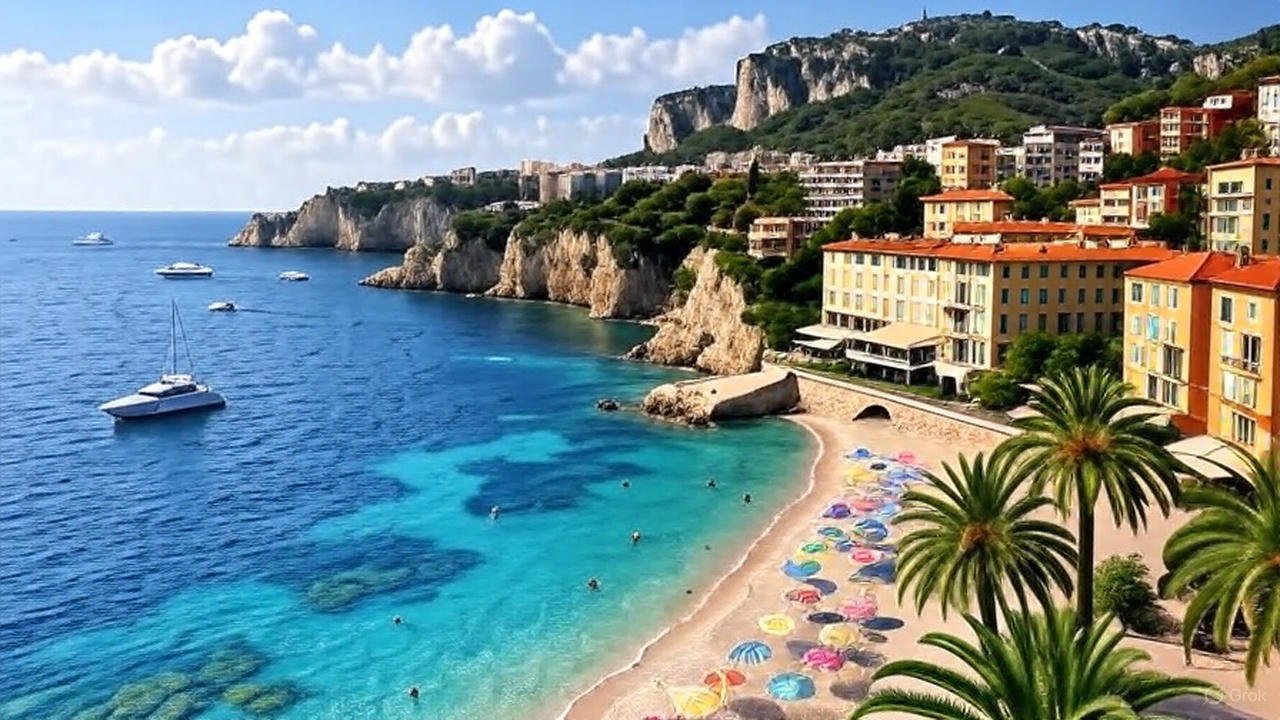
The first time I saw the Mediterranean from the Moyenne Corniche, I actually pulled over and cried. Not delicate, photogenic tears – proper, ugly-crying sobs that probably concerned the German tourists in the car behind me. But there it was: that impossible blue stretching to infinity, Belle Époque villas clinging to cliffs, and a quality of light that made me understand why Matisse and Chagall refused to leave.
That was eleven years ago, and I’ve returned to the Côte d’Azur at least twice a year since. My London flat is filled with photographs from Nice’s morning markets, Cap Ferrat’s hidden coves, and countless golden hours in villages perchés that seem to defy gravity. French Riviera travel has become less of a hobby and more of a necessary pilgrimage – one I’m constantly trying to capture through my lens, knowing I’ll never quite succeed.
Here’s what I’ve learned after dozens of visits, thousands of photographs, and more rosé than is probably advisable: the French Riviera isn’t just one experience. It’s a coastline of contradictions where billionaire yachts bob beside fishermen’s boats, where Michelin-starred restaurants share streets with socca vendors, and where every turn reveals either jaw-dropping wealth or breathtaking natural beauty (sometimes both simultaneously). Let me show you how to navigate this intoxicating stretch of Mediterranean coastline, from the glittering to the authentic, the famous to the hidden.
French Riviera Travel: Understanding the Côte d’Azur’s Geography and Soul
The French Riviera – or Côte d’Azur as the French call it – stretches roughly 120 kilometers from Cassis in the west to Menton at the Italian border. But honestly, most people focus on the 50-kilometer stretch between Nice and Monaco, where the concentration of beauty, history, and yes, wealth, reaches almost absurd levels.
I used to think the Riviera was just one long beach town with different names. What a laughably wrong assumption. Each village, each city has its own distinct personality, its own light, its own reason for existing. Nice is the working city with soul. Cannes is all about seeing and being seen. Monaco is… well, Monaco is its own reality. The hill villages are where you go to remember that Provence and the Mediterranean are actually neighbors.
The Seasons of Light (A Photographer’s Obsession)
Golden hour on the French Riviera isn’t just a time of day – it’s a religious experience. The light here famously drew Renoir, Matisse, Picasso, and Chagall, and once you’ve seen it, you understand why they stayed. There’s something about the way Mediterranean light reflects off limestone cliffs and azure water that turns ordinary scenes into paintings.
May through June offers my favorite combination: warm enough to swim, not yet overwhelmed with summer crowds, and the light is clear and brilliant. The mimosa blooms in February turn hills yellow, the lavender peaks in June. September through early October brings that golden, slightly melancholy light that makes every photograph look like a film still.
Summer (July-August) is intense – crowded, expensive, hot, but undeniably vibrant. This is when the Riviera fully embraces its reputation: superyachts, beach clubs charging €50 for a lounger, and a party atmosphere that either thrills or exhausts you. Winter (November-March) is quiet, surprisingly mild, and when locals reclaim their coast. I’ve had some of my most profound Riviera experiences in February, wandering empty promenades under crystalline light.
East or West: Choosing Your Base
The eastern Riviera (Nice to Menton) feels more Italian, more dramatic, with mountains plunging straight into the sea. The western side (Cannes to Saint-Tropez) is gentler, sandier, more classically Provençal. Your choice of base shapes everything.
I always stay in Nice for longer trips. It’s a real city with real life, incredible markets, perfect light (especially along the Promenade des Anglais at dawn), and train connections to everywhere. But there’s something intoxicating about waking up in Antibes, or renting a village house in Èze, or splurging on a sea-view room in Villefranche-sur-Mer.
Nice: The Riviera’s Beating Heart
Nice is where I fell in love with the Côte d’Azur, and it remains my spiritual home on this coast. It’s the largest city, the most affordable, and paradoxically, the most authentically Niçoise. This isn’t a resort town playing at being French – it’s a proper Mediterranean city that happens to have spectacular beaches and 300 days of sunshine.
Vieux Nice: Where My Camera Never Rests
The Old Town is an Italian-influenced labyrinth of ochre buildings, washing lines strung between shutters, and more photographic opportunities per square meter than almost anywhere I’ve worked. The morning light filtering through narrow streets creates these dramatic shafts of gold that illuminate socca vendors and flower sellers like Baroque paintings.
I stood there for a moment, camera forgotten, on Rue Pairolière during a random Tuesday morning, watching an elderly woman lower her shopping basket from a third-floor window while her neighbor passed up fresh bread. These moments – these slices of actual life – are why Nice beats fancier Riviera towns for me.
Cours Saleya market (Tuesday-Sunday mornings) is essential. Yes, it’s touristy, but it’s also where Niçois actually shop. The flower stalls create riots of color against the yellow buildings. The produce vendors stack tomatoes and peaches with an artist’s precision. Monday is antiques and bric-a-brac, which I’ve lost entire mornings to, hunting for vintage French photography books.
The Promenade des Anglais: Seven Kilometers of Perfection
The Prom (as everyone calls it) is Nice’s statement piece – a sweeping pedestrian boulevard along the Baie des Anges that manages to be both elegant and accessible. I’ve photographed it in every season, every light condition, every weather, and it never gets old.
Dawn is my favorite time: the sky transitions from indigo to pink to gold, casting the Belle Époque hotels in magical light. The joggers, the tai chi practitioners, the elderly couples walking arm-in-arm – it’s Nice at its most genuine. The blue chairs (chaises bleues) are free, public seating that demonstrates something beautiful about French public space philosophy.
The beaches here are all galets (pebbles, not sand), which takes adjustment. Rent a matelas (beach mattress) from one of the private beaches for €15-20, or brave the public beaches with your own towel. The water clarity is incredible because pebbles don’t create sandy murkiness.
Where Nice Surprised Me
Cimiez neighborhood up the hill rarely makes tourist itineraries, which is criminal. The Matisse Museum sits in a 17th-century villa surrounded by olive groves where locals picnic. The Roman ruins (yes, actual Roman amphitheater and baths) are casually situated in a residential neighborhood. The light up here in late afternoon, looking down over the city toward the sea, is breathtaking.
Port de Nice is gentrifying rapidly but still maintains its working port character. The morning fish market sells the actual catch brought in by boats you can see anchored right there. The restaurants around the port serve the freshest seafood at prices that would make Cannes laugh.
Cannes: More Than Just Film Festival Glamour
I’ll be honest – I resisted Cannes for years. It seemed too polished, too expensive, too aware of its own fabulousness. And yes, all those things are true, but there’s more to Cannes than red carpets and yacht parties.
Le Suquet: The Soul Beneath the Shimmer
The old quarter of Le Suquet climbs the hill above the port, and up here, Cannes remembers it was once a fishing village. Cobblestone streets wind between pastel houses, laundry flutters from balconies, and the views over the Baie de Cannes are spectacular without costing €50 for a cocktail.
The Église Notre-Dame d’Espérance at the top offers panoramic views that I’ve photographed dozens of times, each visit revealing different light. Early evening is magical – the setting sun illuminates the Esterel mountains across the bay while the first yacht lights begin twinkling below.
The Boulevard de la Croisette: See and Be Seen
Yes, it’s ostentatious. Yes, a coffee costs three times what you’d pay in Nice. But the Croisette is also undeniably beautiful – that perfect Riviera combination of palm trees, Belle Époque architecture, designer boutiques, and Mediterranean blue. I love it most in the off-season when you can actually walk without navigating crowds and the hotels drop their drawbridges slightly.
The public beaches between the private beach clubs offer free Mediterranean access. They’re narrower and more crowded, but they’re real sand (unlike Nice’s pebbles) and the water is identical whether you’ve paid €80 for a lounger or spread your own towel.
The Islands: Escape Without Leaving
Île Sainte-Marguerite, a 15-minute ferry ride from Cannes, is where I go when I need to reset. Pine forests, rocky coves with crystal-clear water, and the Fort Royal where the Man in the Iron Mask was imprisoned. Pack a picnic, find a quiet cove, and watch ferries shuttle between the island and the Croisette’s glitter. The contrast is delicious.
The light filtering through the umbrella pines in late afternoon creates these dappled patterns on the forest floor that make you forget you’re ten minutes from one of Europe’s most expensive cities.
Monaco: A Surreal Principality
Monaco is bonkers. There’s no other word for it. A two-square-kilometer country carved into a cliff face, where the per capita GDP is roughly equivalent to a small planet’s budget, and where seeing a supercar is like seeing a pigeon – utterly commonplace.
I photograph Monaco not despite its absurdity but because of it. There’s something fascinating about a place so committed to a specific vision of wealth and glamour that it’s built an entire country around it.
Monte Carlo: Glitter and Grit
The Casino de Monte-Carlo is worth visiting even if you don’t gamble (though there’s a €10 entry fee just to access the gaming rooms). The Belle Époque architecture is stunning, the interior is absurdly opulent, and watching people casually place bets that exceed my monthly rent has a certain anthropological interest.
But here’s what nobody tells you: you can wander the Casino gardens completely free, and they’re gorgeous. Manicured to within an inch of their lives, yes, but the views over Port Hercules and the attention to horticultural detail are impressive. Golden hour here, when the setting sun illuminates the casino’s facade, is spectacular.
Le Rocher (Monaco-Ville): Where History Persists
The old town perched on the Rock is where Monaco keeps its history. The Prince’s Palace does daily changing of the guard at 11:55 AM (absurdly picturesque). The Oceanographic Museum, built into the cliff face, is genuinely world-class – Jacques Cousteau directed it for 31 years.
But I come for the narrow streets where Monaco feels almost like a normal Mediterranean village. Almost. The gelato shops and souvenir stalls could be anywhere in southern France, if you ignore the Ferraris parked casually on corners.
The Grand Prix Circuit: Walking History
The Monaco Grand Prix circuit runs through actual city streets, which means you can walk the track any day except race week. Following the route from Sainte-Dévote through Casino Square and down to the harbor is surreal – imagining F1 cars screaming through streets where grandmothers currently cross with shopping bags.
The Three Corniches: Roads That Changed My Life
The three coastal roads connecting Nice to Monaco are why I originally fell in love with French Riviera travel. Each offers different perspectives on the same magnificent coastline, and I’ve driven them so many times I’ve lost count.
The Basse Corniche (Lower Coast Road)
The Basse Corniche (the original coastal road) hugs the waterline through Villefranche-sur-Mer, Beaulieu-sur-Mer, and Cap Ferrat. It’s the slowest route but passes through the actual towns. The views are stunning without being vertiginous, and you can actually stop for lunch or a swim.
Villefranche-sur-Mer is where I’d live if I won the lottery. The deep natural harbor is so perfectly protected that the U.S. Navy used it as a base. The old town tumbles down the hillside in shades of ochre and pink, with vaulted medieval streets and a waterfront that looks painted. The light here in early morning, when fishermen are still working and before tourists arrive, is impossibly soft and golden.
The Moyenne Corniche (Middle Road)
This is the road that made me cry. The Moyenne Corniche runs at mid-height, offering views that feel almost aerial. The medieval village of Èze clings to a rocky peak accessible only via this road, and the views from the village’s exotic garden are among the most photographed on the entire Riviera.
I’ve shot Èze dozens of times, and it’s still impossibly beautiful. The light catches the stone buildings just so in late afternoon, turning everything honey-colored. Yes, it’s touristy. Yes, the shops sell overpriced lavender sachets. But climb to the top of the exotic garden (€6 entry), and watch the sun set over the Mediterranean from 427 meters up, and none of that matters.
The Grande Corniche (High Road)
The Grande Corniche is the highest, most dramatic route, offering views that made Hitchcock choose it for “To Catch a Thief.” This is the road where Grace Kelly later died in a tragic accident, adding melancholy to its beauty. The vistas from up here are vertiginous and spectacular – the entire coast spread below like a map, yachts reduced to white dots on azure blue.
There’s something about the French Riviera that photographs can’t quite capture when you’re up this high. The scale, the drama, the way the mountains meet the sea – it’s overwhelming in the best way.
Antibes and Juan-les-Pins: Where Picasso Found His Light
Antibes doesn’t get enough love in French Riviera travel guides, which honestly works in its favor. It’s large enough to have authentic life (40,000 residents), small enough to maintain charm, and perfectly positioned between Cannes and Nice.
Vieil Antibes: Ramparts and Reality
The old town is surrounded by 16th-century ramparts that Vauban designed. Walking the rampart path at sunset, watching waves crash below while the Alps turn pink in the distance, is one of my favorite Riviera experiences. It costs nothing, draws few tourists, and the light is magnificent.
The Marché Provençal (daily except Mondays) is more authentic than Cannes’ markets and less overwhelming than Nice’s. I’ve spent countless mornings here, photographing olive vendors, cheese sellers, and the way morning sun illuminates produce stands.
Picasso and the Mediterranean Light
The Musée Picasso occupies Château Grimaldi, where Picasso worked in 1946. The museum isn’t enormous, but it’s perfectly curated, and the setting – a castle overlooking the Mediterranean where Picasso actually painted these works – adds profound context. The ceramics he created nearby in Vallauris are joyful and accessible in ways his other work sometimes isn’t.
I stood there for a moment in front of “La Joie de Vivre,” understanding finally why Picasso was so productive here. The light, the color, the sense of possibility – the Riviera gets into your blood.
Juan-les-Pins: Jazz and Pine Trees
Antibes’ beach resort neighbor, Juan-les-Pins, has a completely different energy. It’s younger, more casual, known for its jazz festival each July. The beach is actual sand (a Riviera rarity), backed by umbrella pines that give the town its name.
I don’t photograph Juan-les-Pins as much as other towns – it’s more about feeling than seeing. Summer evenings when beach restaurants are grilling fresh fish, live music drifts from cafés, and the sky goes from blue to pink to purple – it’s uncomplicated pleasure, which the Riviera sometimes forgets to offer.
Saint-Paul-de-Vence and the Hill Villages: Where Artists Never Left
The villages perchés (perched villages) of the Riviera’s hinterland offer respite from coastal crowds and heat, plus extraordinary light that attracted and kept generations of artists.
Saint-Paul-de-Vence: Living Art Gallery
This medieval village 20 kilometers from Nice is arguably the most famous hill village in France, and with good reason. It’s absurdly beautiful – ramparts, fountains, stone houses draped in bougainvillea, art galleries seemingly every three meters. Chagall, Matisse, and countless others lived or worked here.
Yes, it’s touristy. Yes, every surface seems designed for Instagram. But wander the ramparts early morning before tour buses arrive, and you’ll understand why artists found inspiration here. The views over the valley toward the Mediterranean, the quality of light, the sense of being suspended between earth and sky – it’s transcendent.
Fondation Maeght, just outside the village, is one of Europe’s most important modern art museums. The building itself is a work of art (designed by Josep Lluís Sert), and the collection includes Miró, Giacometti, Chagall, Matisse. The outdoor sculpture garden, with mountain views and perfect lighting, is where I’ve had some of my most powerful art experiences.
Èze: The Eagle’s Nest
I mentioned Èze earlier from the Moyenne Corniche, but it deserves deeper exploration. The village itself is car-free (park below and climb), a maze of vaulted passages and stone stairways climbing to the Jardin Exotique at the summit. The exotic garden specializes in succulents and cacti, which sounds random until you’re standing among them at 427 meters elevation with 360-degree views.
The light catches the cacti spines in late afternoon, creating these halos of gold against Mediterranean blue. I’ve shot this scene a hundred times and never captured it satisfactorily.
Gourdon, Tourettes-sur-Loup, and Further Inland
The deeper you go into the Alpes-Maritimes hinterland, the more authentic and less crowded the villages become. Gourdon perches at 760 meters with views that allegedly extend to Corsica on clear days. Tourrettes-sur-Loup is known for violets – the entire village celebrates them each March. These villages have fewer galleries, more working farms, and light that’s somehow clearer and sharper than at sea level.
Menton: The Lemon Capital at Italy’s Border
Menton is the Riviera’s easternmost French town, so close to Italy that the architecture, food, and accent are ambiguously hybrid. It’s gentler than Monaco, more relaxed than Nice, and blessed with a microclimate that allows citrus groves and tropical gardens to flourish.
Why I Kept Returning
I initially visited Menton for the Fête du Citron (Lemon Festival) in February – a gloriously absurd event where enormous sculptures are created entirely from citrus fruits. The festival is charming, but the town itself became my unexpected obsession.
The old town is pastel perfection – yellows, pinks, terracottas climbing the hillside to the cemetery where the views are worth the climb (it’s also where one section of the Jean Cocteau trail ends). The covered market hall sells Italian and French produce with equal enthusiasm. The beaches are less crowded than Nice or Cannes, the prices more reasonable, and the atmosphere more relaxed.
Gardens That Changed How I See Landscaping
Menton’s microclimate supports gardens that shouldn’t technically exist this far north. Jardin Serre de la Madone (English landscape architect Lawrence Johnston’s Mediterranean garden) taught me everything about layering plants for year-round color and texture. Jardin botanique exotique du Val Rahmeh proves that patience and the right location can create tropical paradise in France.
I’ve spent entire days in these gardens, watching how light moves through palm fronds and cacti, how shadows shift across stone terraces. Golden hour in Menton’s gardens is when the magic happens – everything turns amber and soft, and you understand why this town has inspired artists for centuries.
Practical Essentials: Making Your French Riviera Travel Seamless
Let me share the hard-won practical knowledge I’ve accumulated through missed trains, sunburned shoulders, and meals so good I cried.
Getting There and Around
Nice Côte d’Azur Airport is the gateway for most visitors, France’s third-busiest airport with excellent international connections. The airport tram connects to Nice city center in 20 minutes (€1.50). Buses run to Monaco (€1.50), Cannes (€1.50), and most coastal towns.
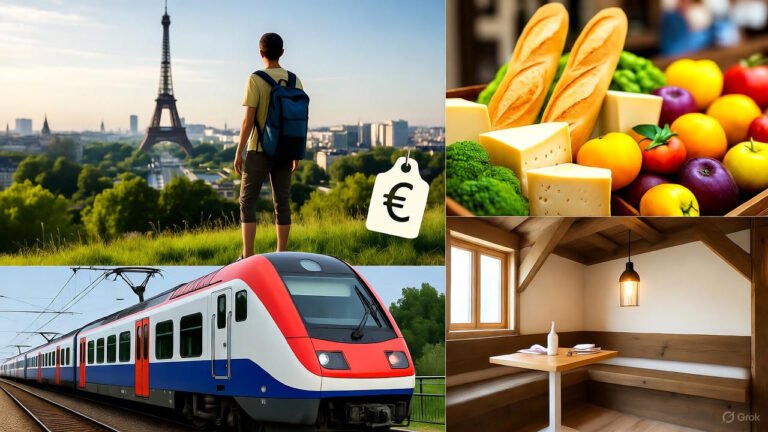
The train system along the coast is brilliant – cheap, frequent, scenic. Nice to Monaco: €4.10, 20 minutes. Nice to Cannes: €6.80, 40 minutes. Trains hug the coastline offering constant sea views. Buy tickets from machines (credit cards accepted), validate before boarding.
Renting a car opens the hill villages and the Corniches but isn’t necessary for coastal towns. Parking is expensive and scarce in summer. I rent cars only for countryside excursions, using trains for coastal travel.
Where to Stay: Matching Budget to Location
Nice offers the best value-to-location ratio. Budget hotels in the port area: €60-90 (basic but clean). Mid-range in or near Vieux Nice: €120-180. Boutique Belle Époque hotels along the Promenade: €200-400. I’ve stayed everywhere from hostels to Hotel Negresco and found happiness at every price point.
Antibes offers better value than Cannes with equally good beaches and more authentic atmosphere. €80-150 gets you comfortable accommodation near the old town.
Menton is the budget winner – €70-130 for pleasant hotels near the beach, half what you’d pay in Cannes or Monaco for equivalent quality.
Village rentals (Èze, Saint-Paul-de-Vence, Gourdon) offer incredible experiences if you have a car. Expect €100-200 per night for small apartments or houses with views. The sunrise and sunset from a village rental are worth the effort.
When to Visit: Seasons of the Côte
May-June and September-October offer the best balance: warm swimming weather (20-25°C), manageable crowds, and hotels that haven’t reached peak pricing. This is when I schedule my serious photography trips – the light is clear, the atmosphere relaxed.
July-August is peak season madness. Hotels double their prices, beaches overflow, restaurants require reservations days ahead. But it’s also when the Riviera fully becomes itself – jazz festivals, fireworks, beach clubs operating at full tilt. If you thrive on energy and don’t mind crowds, summer delivers.
November-March is quiet, mild (12-15°C), and when you’ll see the Côte d’Azur that residents actually inhabit. The Menton Lemon Festival (February), Nice Carnival (February), and Cannes Film Festival (May) are worth planning around. Winter light is low and dramatic, perfect for moody photography.
Money Matters and Budget Reality
The French Riviera isn’t cheap, but strategic choices make it accessible. Daily budget ranges:
€60-90: Hostel/budget hotel, market picnics, public beaches, train travel, one restaurant meal €150-200: Mid-range hotel, bistro meals, occasional taxis, museum entries, beach club day €300+: Boutique accommodation, nice restaurants, private experiences, shopping
Beach clubs charge €20-80 for loungers and umbrellas. Public beaches are free but more crowded. Many hotels have beach agreements offering reduced rates at partner clubs.
Restaurant strategy: lunch specials (menu du jour) offer excellent value (€15-25 for two courses). Dinner at the same restaurant costs double. Markets and bakeries provide amazing picnic ingredients at fraction of restaurant prices.
What to Pack: A Photographer’s Perspective
Essential items I never travel without:
- High-SPF sunscreen (Mediterranean sun is intense year-round)
- Sun hat (the Riviera is relentless)
- Comfortable walking shoes (cobblestones and hills everywhere)
- Light layers (coastal breezes cool evening temperatures)
- Swimsuit (even in May or October, you’ll want to swim)
- Canvas bag for market purchases
- Portable phone charger (you’ll photograph constantly)
For photographers specifically:
- Polarizing filter (reduces glare on water, essential for Mediterranean)
- Wide-angle lens (capturing coastal vistas and hill villages)
- 50mm or 85mm for street photography in old towns
- Lens cloth (sea spray and dust are constant)
What not to pack: Formal attire isn’t necessary unless you’re dining at Michelin-starred establishments or visiting Monaco’s casino gaming rooms (jacket required). The Riviera is surprisingly casual outside those specific contexts.
The Food and Wine of Sun and Sea
I’m not a food writer, but you can’t experience French Riviera travel properly without understanding the cuisine – a distinct fusion of Provençal and Italian influences shaped by Mediterranean abundance.
Essential Niçoise Specialties
Socca – chickpea flour pancake cooked in massive pans, served hot with black pepper. Chez Pipo in Nice makes the definitive version. It’s simple, filling, costs €3, and tastes like Nice itself.
Salade Niçoise – but please, the real version: tomatoes, hard-boiled eggs, anchovies, olives, green beans. No lettuce, no tuna (that’s the tourist version). Order it at neighborhood bistros in Vieux Nice where grandmothers are eating it too.
Pissaladière – caramelized onion tart with anchovies and olives. Bread from the morning market, warm from the oven, eaten sitting on the harbor wall – perfection.
Pan bagnat – essentially a salade Niçoise stuffed in a round bread roll, soaked with olive oil. The ultimate beach food.
Markets: Where Photography and Food Collide
The Cours Saleya market in Nice (Tuesday-Sunday, 6 AM-1:30 PM) is non-negotiable. Arrive early for the best light and the best produce. The flower vendors create these incredible compositions of color – roses, peonies, lavender, mimosa depending on season.
Marché Forville in Cannes (Tuesday-Sunday mornings) is smaller, more local, less touristy. The fish stalls display the morning catch like sculptures. I’ve shot hundreds of photos here without buying anything, though the vendors are more welcoming if you actually purchase some olives or cheese.
Wine: Rosé in the Afternoon
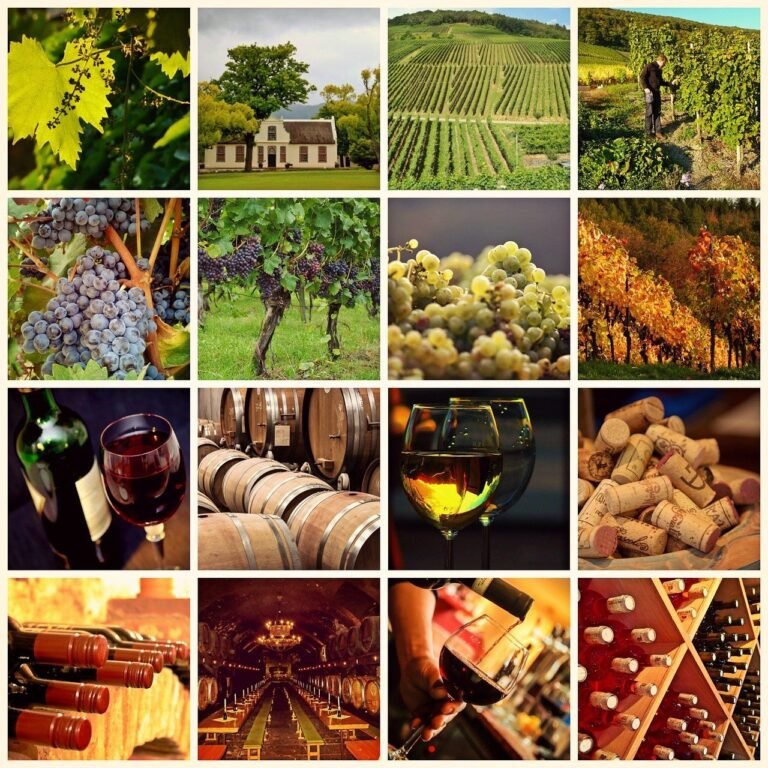
Provence rosé is the Riviera’s drink of summer. It’s not fancy wine – it’s what you drink with lunch, at the beach, watching sunset. Chilled almost to the point of being cold, served in simple glasses, often mixed with ice cubes (sacrilege elsewhere, normal here).
Côtes de Provence is the main appellation. Look for pale, salmon-colored rosés from producers like Château Minuty or Domaine Ott (pricier but worth it). A decent bottle costs €8-15 at supermarkets, €25-40 in restaurants.
The local white wine, Bellet (from hills above Nice), is crisp and mineral – perfect with seafood. It’s rarely seen outside the region, which makes it feel like a secret.
Beyond the Obvious: Experiences That Transformed My Understanding
After years of French Riviera travel, these experiences stand out as genuinely transformative rather than merely pleasant.
Sunrise Swims in Secret Coves
The best beaches on the Riviera aren’t the famous ones. Between Antibes and Juan-les-Pins, between Nice and Villefranche, around Cap Ferrat – there are dozens of small rocky beaches accessible by paths that locals know.
I’ve found my favorite cove near Èze-sur-Mer, accessible via a steep path that discourages casual visitors. Swimming here at sunrise, water so clear you see every pebble ten meters down, mountains turning pink behind you, complete silence except for wavelets – this is the Riviera that money can’t buy.
The Artists’ Light (An Ongoing Obsession)
I’ve spent countless hours trying to understand what Matisse, Chagall, Renoir, and Picasso saw in Riviera light. The Musée Matisse in Nice’s Cimiez neighborhood, the Musée Renoir in Cagnes-sur-Mer, the Musée National Marc Chagall in Nice – visiting their work where they created it, in the same light that inspired them, changed my entire approach to photography.
Stand in Renoir’s garden in Cagnes-sur-Mer in late afternoon, and you’ll see exactly what he painted – the quality of light on olive leaves, the way shadows fall across stone. It’s not just art appreciation; it’s understanding place through artists’ eyes.
Market Days and Local Rhythms
Every town has its market day, and these rhythms shape weekly life in ways tourists rarely experience. I’ve learned to plan around markets – arriving in Antibes on a Thursday to catch the morning market, timing Menton visits for Friday mornings.
There’s something deeply satisfying about shopping where locals shop, eating what’s actually in season, building meals around what looked perfect that morning. This slower, more observant approach to French Riviera travel has given me richer experiences than any luxury hotel ever could.
Making Your Riviera Story Uniquely Yours
After eleven years and countless visits, I’ve realized the best French Riviera travel experiences can’t be planned. They happen in the gaps between famous sites – the conversation with a gallery owner in Saint-Paul-de-Vence, the wrong turn that leads to a perfect cove, the rainstorm that forces you into a neighborhood café where you end up staying for three hours.
Give yourself permission to ignore the “must-see” lists occasionally. Return to places that speak to you rather than checking off new destinations. Spend a morning doing nothing but watching light move across water from a café table. These pauses, these repetitions, these moments of simply being present – this is when the Riviera stops performing for you and starts revealing itself.
I still get excited every time the train rounds the bend and Nice’s Baie des Anges appears. After dozens of visits, hundreds of early mornings, thousands of photographs, this coastline still surprises me. There’s always another angle on a familiar scene, another hidden beach, another moment when the light catches the limestone cliffs just so and everything feels impossibly, heartbreakingly beautiful.
The French Riviera has a reputation for superficiality, but beneath the yachts and designer boutiques, there’s authentic culture, profound natural beauty, and artistic heritage that shaped modern art. Finding the balance – enjoying the glamour without being consumed by it, seeking authenticity without being a snob about it – that’s the art of Riviera travel.
Start planning, but leave room for serendipity. The best moments can’t be scheduled. They happen when you’re open to surprise, when you’re willing to get lost, when you remember that a guide visiting the French Riviera can point you toward beauty, but you have to be present enough to actually see it.
Bon voyage, and may your Riviera be sun-soaked, surprising, and everything your camera can’t quite capture.
Sources and Additional Resources
- Côte d’Azur France Tourism (cotedazur-france.fr) – Official regional tourism website with comprehensive destination information
- Nice Tourism Office (nicetourisme.com) – Current events, practical information, and booking resources
- Alpes-Maritimes Cultural Heritage (departement06.fr) – Information on museums, gardens, and historical sites