French Riviera Art Scene: The Best Practical Guide For Visitors
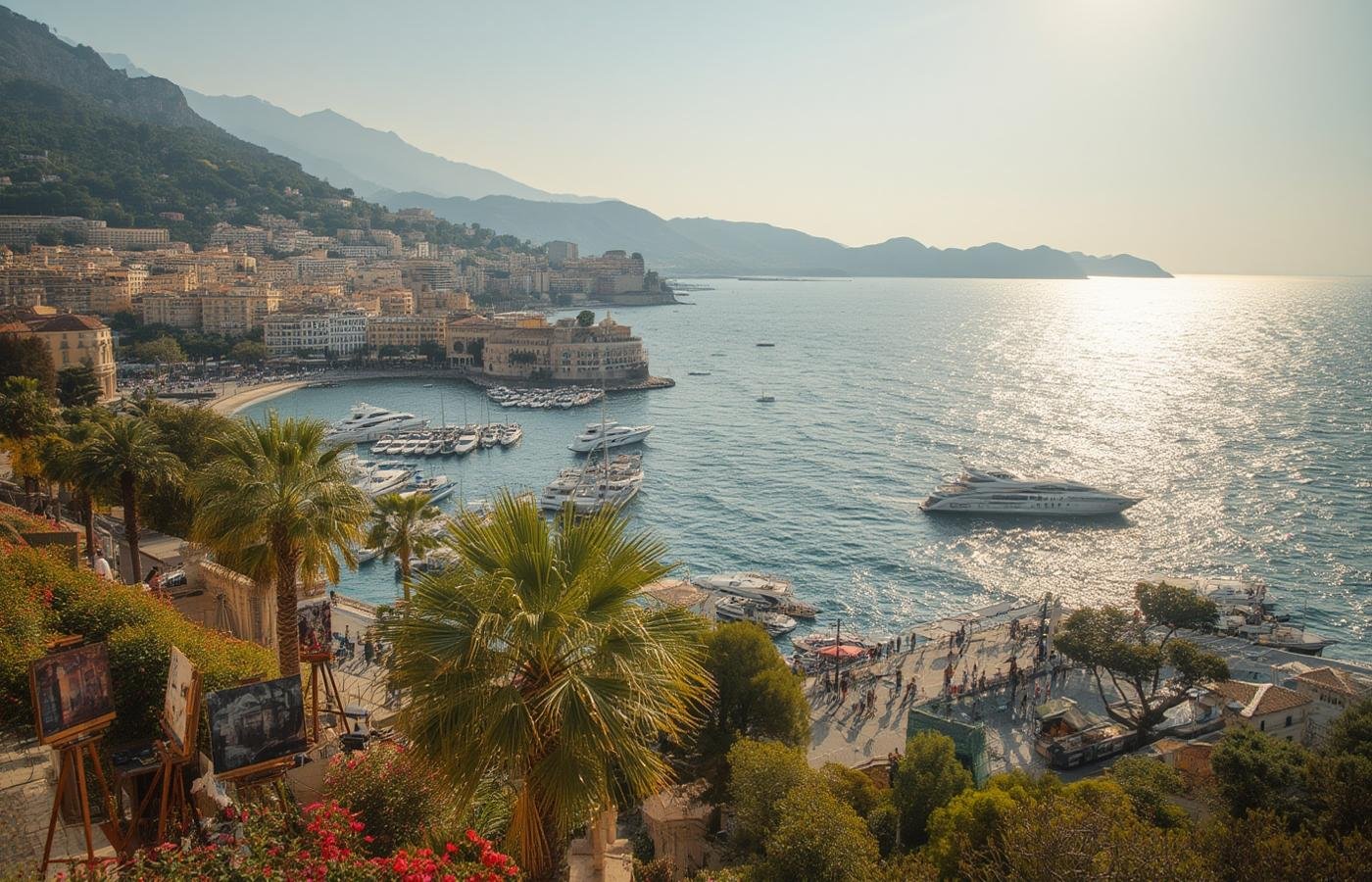
French Riviera art scene means more than postcards and blue skies—it’s a living tapestry woven from world-class museums, studio-houses set in olive groves, and radical sculpture paths winding through pine forests. Yet, visitors and art-lovers quickly discover that practical info is often elusive, leaving real questions unanswered. This research-driven guide gives you clear museum highlights, crucial visitor tips, and reveals where famous guides come up short, so you can map your own journey through the Côte d’Azur’s art and landscape.
Key Takeaways
- The French Riviera art scene combines world-renowned museums, artist homes, sculpture trails, and local galleries—all deeply shaped by landscape and Mediterranean light.
- Accurate visitor numbers, current admission prices, and reviews are surprisingly hard to find—plan ahead, verify details directly, and be flexible.
- Look beyond museum walls: landscape-integrated art (like Fondation Carmignac’s sculpture paths), “Route des Peintres,” and artist stories are often missed in standard guides.
- Snapshot — What “French Riviera art scene” means today
- Most-visited museums & the visitor-numbers problem
- Signature venues — what makes each museum or foundation unique
- Unique exhibitions, residencies and community programs that set the Riviera apart
- Three underreported angles competitors miss
- Practical visitor intel — admissions, hours, accessibility, and common complaints
- Visitor experience — most common complaints and what the data (doesn’t) say
- How museums & galleries have (and haven’t) shaped artists’ careers recently
- Role of private collectors and small independent galleries — cultural powerhouses or opaque players?
- Data gaps, sourcing checklist and reporter assignments (must-have follow-ups)
- Suggested lead paragraph and SEO hooks
Snapshot — What “French Riviera art scene” means today
The French Riviera art scene is a uniquely layered experience: sunlit museum terraces, painter studios drenched in the colors of the sea, and an ecosystem of local galleries thriving on Mediterranean light. It’s not only about celebrated museums—like Musée Picasso in Antibes, Musée National Marc Chagall in Nice, Fondation Maeght in Saint-Paul-de-Vence, Musée Fernand Léger in Biot, Musée Renoir in Cagnes‑sur‑Mer, and Fondation Carmignac on Porquerolles—but how place, light, and landscape shape the art itself. Data, however, is patchy: you’ll need to combine stories, direct calls, and personal visits to really understand what’s waiting for you.
Most-visited museums & the visitor-numbers problem
Unlike the Louvre or the Musée d’Orsay, French Riviera art museums don’t publish annual visitor numbers. There’s no reliable five-year trend, and no Riviera museums appear on global “most-visited” lists. For example, MUCEM in Marseille (bordering the Riviera) reported 1.3 million visitors in 2024 and appeared at #60 worldwide, but its coverage only underscores the absence of data on true Riviera sites. This lack makes it difficult to gauge crowding, popularity, or plan around “busy” times—which most guides ignore.
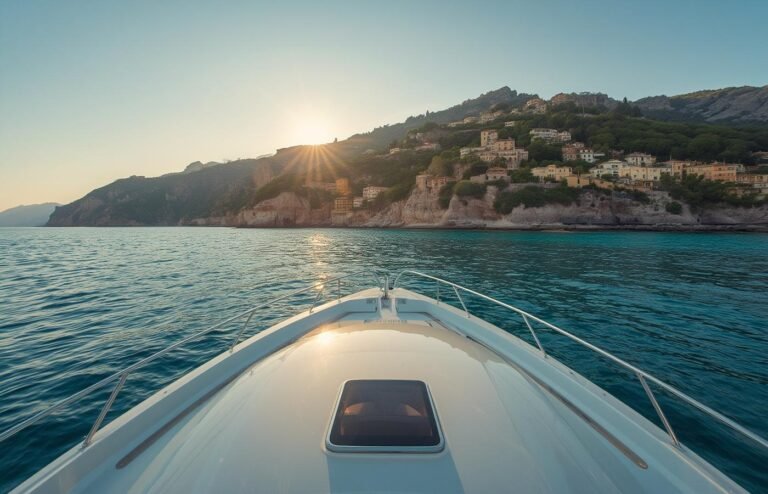
So, when planning, expect that even famous museums French Riviera claims are often intimate, best visited with flexible timing and verified opening hours. If you want broader travel context, see the complete luxury yacht charters French Riviera guide (for a full panorama of Côte d’Azur culture and landscapes).
Signature venues — what makes each museum or foundation unique
Musée Picasso, Antibes
Set in the Château Grimaldi overlooking the sea, this is the only museum created in Picasso’s lifetime with works from his 1946 studio season. See ceramics, paintings, and terrace sculptures that blend modern art with horizon views.
Musée National Marc Chagall, Nice
Home to Chagall’s biblical message series, including 17 monumental paintings. Stained glass glows with Mediterranean color in a quiet, garden-framed setting near Cimiez.
Fondation Maeght, Saint-Paul-de-Vence
An experimental modernist complex dotted with Calder stabiles and Miró sculptures, plus gallery spaces for Giacometti, Braque, and contemporary artists. Its pine-shaded paths and Mediterranean gardens triple as outdoor art walks.
Musée Fernand Léger, Biot
Celebrates Léger’s career with vast paintings, ceramics, and bold, open-air mosaics. The museum’s colors and volume echo the region’s palette and light.
Musée Renoir, Cagnes-sur-Mer
This olive-grove villa preserves the painter’s final home, filled with original furniture, personal effects, and garden views Renoir called “pure happiness.”
Fondation Carmignac, Porquerolles
Accessed by ferry, set in a Mediterranean villa ringed with vineyards and pine forests. Features rotating exhibitions (recently Warhol, Lichtenstein, Richter, Ruscha) and one of Europe’s most poetic sculpture trails. Quote from a local curator: “Art here is inseparable from sea breezes and the play of shade.”
Unique exhibitions, residencies and community programs that set the Riviera apart
The art scene in French Riviera stands out for immersive, landscape-integrated experiences—think cool stone terraces for jazz nights, or sculpture trails that guide you through pine forests to installations by world stars and up-and-comers.
Unlike other European regions, there’s no extensive record of formal artist residencies or outreach—Fondation Carmignac is a partial exception, hosting themed contemporary exhibitions. Musée Renoir and Musée Picasso directly open up historic artists’ homes, letting you process the region’s light and sea as the masters did. The “Route des Peintres” weaves art stops with fresh-produce markets, village lunches, or seaside walking routes, but little formal community engagement is publicly documented. When data is missing, call ahead, ask about workshops or tours, and be ready for creative detours.
Three underreported angles competitors miss
- Landscape as gallery: The experience of art on the Riviera is inseparable from its terrain—sculpture paths at Fondation Carmignac, sea-view terraces at Musée Picasso, and even indoor galleries suffused with changing natural light.
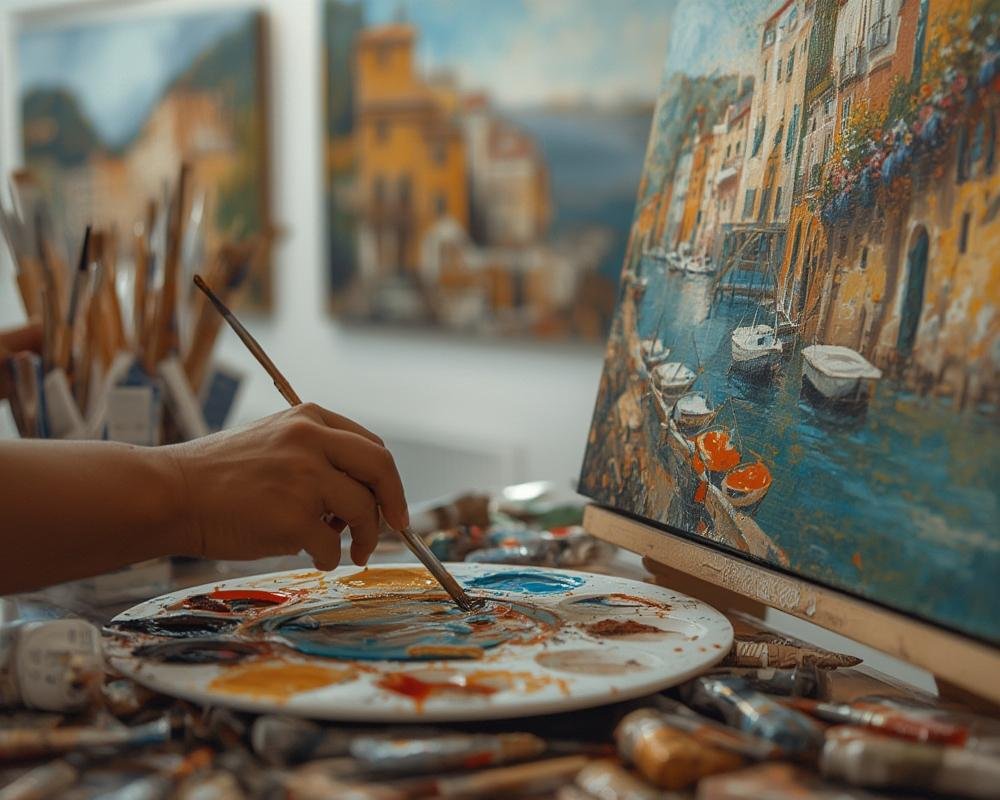
- The Route des Peintres: This thematic trail links not only sites and works, but food and everyday life. You can plan a day following Bonnard in Le Cannet, lunching in Saint-Paul-de-Vence, and ending with sunset at Antibes.
- The Riviera’s inspiration story: Standard round-ups mention Picasso, Renoir, Matisse, but often miss their personal, place-rooted reasons for staying—Matisse called Nice a “paradise of light”. Interview with a gallery director: “Clients are after authenticity—they want to see what moved the painters, not just hang a canvas on a wall.”
Practical visitor intel — admissions, hours, accessibility, and common complaints
Due to missing public info, always check official sites—most famous museums French Riviera can close one day midweek (often Mondays or Tuesdays), and hours can shift with the season. No definitive guide lists prices or accessibility features for every museum as of this writing. For context, many indoor spaces are compact: planning 60–90 minutes per venue is usually ideal, but check directly for any changes or timed-entry slots.
- Tip: If you have mobility or accessibility questions, email or call the museum in advance; accessibility is inconsistently reported.
- Insider note: For galleries in old villages (Vence, Biot), note steep streets, limited parking, and unpredictable hours on market days.
- For hidden, uncrowded alternatives, see: hidden beaches French Riviera.
- Wine and art combo? Explore the intersection with French Riviera wine tours for an authentic taste-meets-visuals itinerary.
Visitor experience — most common complaints and what the data (doesn’t) say
No recent reviews, public surveys, or precise visitor complaints are available for local art galleries French Riviera or its top museums, as of the latest research. Typical risks (to be confirmed by primary reporting):
- Overcrowding on weekends, especially during summer and special exhibitions
- Unclear or inadequate signage in smaller museums
- Transport challenges to museums outside urban centers (like Biot or Porquerolles)
- Variable opening days and limited visiting slots (midweek closures)
Want the real scoop? For deeper reporting, mystery-shop calls to museum front desks, recent TripAdvisor/Google review scans (filtered for verified visits), and chats with hotel concierges or local art guides are recommended.
How museums & galleries have (and haven’t) shaped artists’ careers recently
Historically, the French Riviera art museums made the region a cradle for creativity—Picasso’s studio at Antibes is iconic, and Chagall’s time in Nice produced his key works. However, there is no public data documenting how recent residencies, gallery shows, or community projects have advanced new artists’ careers in the last five years. If you want to investigate this, ask curators, check press releases for recent exhibitions, and look for artist-in-residence programs on institution websites. It’s a striking gap in an otherwise vibrant ecosystem.
Role of private collectors and small independent galleries — cultural powerhouses or opaque players?
The Fondation Carmignac is a rare, well-documented example: as a private collection in Porquerolles, it leverages a global roster of contemporary art (Warhol, Lichtenstein, Richter, Ruscha) in harmony with natural surroundings. For most local art galleries French Riviera and other private collectors, little is known about their broader cultural or social contributions—they rarely appear in press, and data on economic impact or community engagement is unavailable. To learn more, try to interview gallery founders or track down info on rotating group shows in Saint-Paul-de-Vence, Nice, or Antibes. Keep expectations realistic: transparency isn’t the norm.
Data gaps, sourcing checklist and reporter assignments (must-have follow-ups)
- Request five-year annual visitor numbers from each major museum (Musée Picasso, Fondation Maeght, Chagall, Léger, Renoir, Carmignac).
- Collect and screenshot current admission prices, opening hours, and posted accessibility details from official pages.
- Scrape or review recent guest feedback (Google, TripAdvisor) for specific complaints or outstanding mentions.
- Interview curators, press officers, or program managers regarding residencies, community events, or outreach projects.
- Profile at least four independent galleries or collectors—ask about their vision, client base, and community role.
No research found: five-year visitor trend data, comprehensive admissions/hours/accessibility tables, structured reviews, or recent career impact stories.
For global art museum visitor statistics, see this comprehensive international museum attendance report.
Suggested lead paragraph and SEO hooks
If you want to capture the soul of the French Riviera art scene, start with art woven into landscape—not just museum rooms, but sculpture walks in pine forests and studios left as painters saw them. This article delivers hands-on visitor info, missing data, and direct context for the French Riviera museums and galleries that matter: Musée Picasso Antibes, Fondation Maeght, Musée Chagall, and Fondation Carmignac. Use the insights and follow-ups above to chart your own route, and turn every art stop into a journey of place and inspiration.
FAQ: French Riviera Art Scene Visitor Guide
Which French Riviera art museums are must-sees for a first visit?
Musée Picasso (Antibes), Musée National Marc Chagall (Nice), Fondation Maeght (Saint-Paul-de-Vence), Musée Fernand Léger (Biot), Musée Renoir (Cagnes‑sur‑Mer), and Fondation Carmignac (Porquerolles) are widely considered unmissable. Each offers a distinct mix of location, collection, and connection to the Riviera landscape.
Are French Riviera museums accessible for visitors with reduced mobility?
Accessibility varies and detailed info is not always posted online. It is best to check the museum’s official website or contact them directly to confirm ramps, lifts, and adapted facilities before visiting.
What practical tips help avoid crowds at Riviera galleries and museums?
Visit on weekdays or late in the afternoon for quieter experiences. Double-check seasonal closures, especially on Mondays or Tuesdays, and book tickets ahead when possible. Smaller venues are often most tranquil right before closing time.
Are there combined art, wine, or food experiences tied to the Riviera art scene?
Yes—several “Route des Peintres” itineraries mix museum visits with local market stops, vineyard tours, and restaurant lunches, especially near Saint-Paul-de-Vence and Antibes. For more, see French Riviera wine tours.
Do museums on the Riviera offer guided tours, artist residencies, or children’s programs?
Some museums—like Musée Chagall and Fondation Carmignac—run guided tours and special events. Regular artist residencies and community programs are less publicized; contact each site for current offerings or seasonal workshops.