
French Greetings Etiquette: Best Guide To Avoid Social Faux Pas
French greetings etiquette shapes social success for any visitor or new resident in France. Getting the first 30 seconds right in a shop, office, or café often matters more than your French skills. This guide provides actionable rules for everyday situations, helping you avoid awkward encounters and build rapport from your very first “bonjour.” If you have ever worried about making a social faux pas or felt unsure in that first greeting moment, you are in exactly the right place to master how to greet in French culture.
Key Takeaways
- Saying “bonjour” when you enter any shop or interact with people is mandatory to avoid cold responses.
- La bise (cheek kisses) is for acquaintances; wait for the other person to lead or default to a handshake if unsure.
- Always start formally with strangers and new coworkers (“vous,” handshake, “enchanté”) and never use “tu” unless invited.
- The value of first greetings in France
- Practical guide to getting greetings right
- Expert insider tips for avoidance and recovery
- Common pitfalls and how to handle them
- Essential dos and donts checklist
- Handy phrase bank for everyday situations
- Tackling what most resources overlook
- Recent trends and reports on French greetings
- Final thoughts on mastering French greetings etiquette
- FAQ about French greetings etiquette
The value of first greetings in France
Imagine you walk into a small Parisian bakery and head straight for the pastries without a word. The shopkeeper’s welcoming smile fades, and her reply to your question is short, even chilly. Why? Because in France, greeting with a simple “bonjour” is more than a polite ritual—it is a crucial social lubricant.
French greetings etiquette sets the tone for every interaction. Failing to say “bonjour” on arrival in shops, offices, or new social encounters is widely considered disrespectful. Locals often interpret silence or skipping the greeting as abrupt or rude, which almost always results in curt service or distant attitudes. Mastering this simple step can dissolve social friction and set you up for smooth, friendly exchanges everywhere you go.
Want to learn more about why these customs matter in daily life? See this helpful overview on french culture and etiquette.
Practical guide to getting greetings right
Mastering proper French greetings is about timing, wording, and reading the room. Here is a step-by-step approach for common situations:
- Shops and establishments: As soon as you enter, look at the staff and say “Bonjour, Madame/Monsieur.” If it is after around 6 PM, use “Bonsoir.” Leaving? Say “Au revoir” or “Bonne journée.”
- First-time meetings or formal situations: Offer a firm (not crushing) handshake, use “Bonjour” or “Bonsoir,” and address people as “vous.” Follow with “Enchanté(e)” if being introduced.
- Among friends or young people: Use “Salut!” for a casual hello. Handshakes are also fine, but la bise (cheek kisses) might be normal if you are clearly among friends. Wait for others to lead.
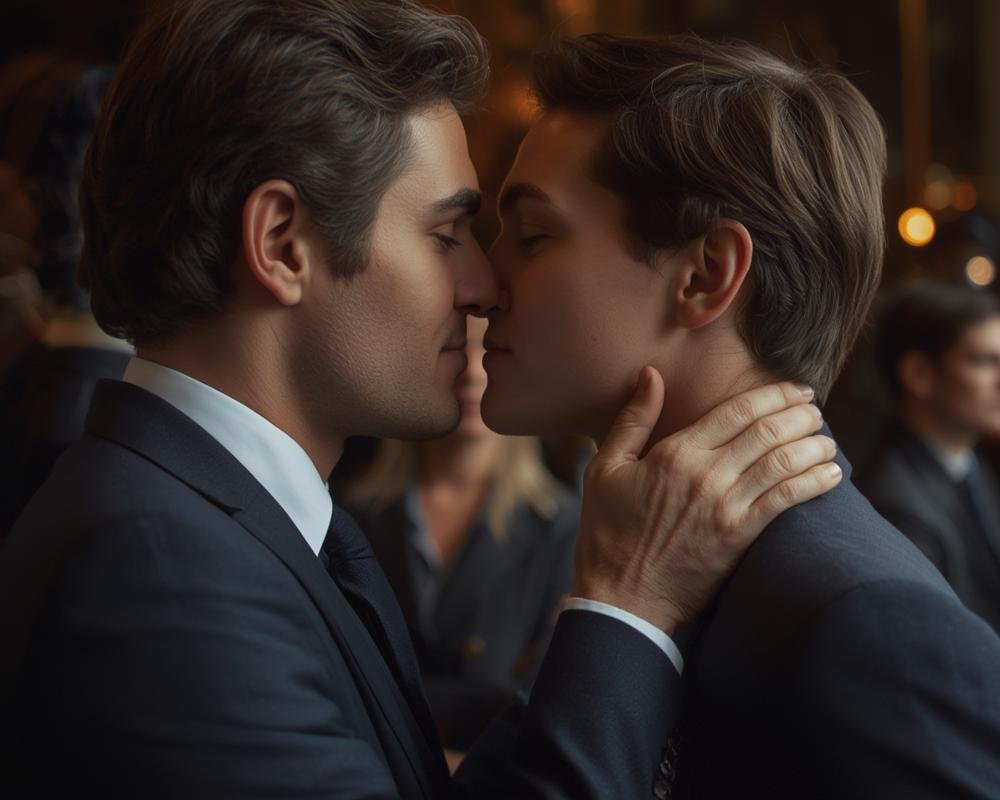
- La bise: Only offer cheek kisses if you see it is expected. Never initiate with strangers. Wait, observe, or default to a handshake.
- When in doubt: Smile, say “Bonjour” and offer a handshake. This is always safe.
Expert insider tips for avoidance and recovery
The French appreciate a well-executed greeting but understand slips from foreigners. Here are practical and expert-approved tips:
- When entering a business or office, greeting before asking anything is nonnegotiable. Wait until you have eye contact, then say, “Bonjour.”
- If you hesitate about initiating la bise, smile and clearly extend your hand for a handshake. This signals preference and avoids awkwardness.
- For group arrivals (like elevators or meetings), a brief “Bonjour à tous” is appropriate. If the group is large, focus on making eye contact rather than greeting each person individually.
- When switching from “vous” to “tu,” always let the French person invite you to do so.
- If you walk into a social mismatch (moving for a hug or using “salut” too early), a simple, smiling apology in French neutralizes the moment.
Common pitfalls and how to handle them
Mistakes are easy to make and often involve body language or formal language missteps. Here are the frequent faux pas and pro corrections:
- Hugging instead of shaking hands or la bise: Locals see hugging as overly intimate or awkward. Correction: Use a handshake or wait for la bise.
- Skipping “bonjour” in shops or service situations: Considered abrupt and rude, almost guaranteed to earn curt service. Correction: Always greet first when you enter.
- Using “tu” with strangers or professionals: This feels intrusive or disrespectful. Correction: Stick to “vous” until you are explicitly invited to switch.
- Initiating la bise yourself or miscounting sides: Perceived as overeager but often treated with gentle humor. Correction: Wait to be led and follow the other person’s cue.
- Wearing sunglasses during la bise or handshake: This seems aloof or inattentive. Correction: Remove glasses just before greeting.
- Excessive enthusiasm (big smiles, loud greetings): Can seem exaggerated or “American” to locals. Correction: Use relaxed eye contact and a soft hello.
- Not apologizing when you bungle a gesture: French people respect a quick, light apology. Correction: Say, “Pardon, je suis nouveau ici.”
When in doubt, observe and mirror the greeting behavior of people around you until you are comfortable.

Essential dos and donts checklist
Keep this quick list handy—screenshot or print it to have at your fingertips!
- Always say “Bonjour” on arrival (shops, offices, anywhere you enter where people are present).
- Handshakes for first meetings or business; la bise only if the other person initiates.
- Use “vous” with strangers, elders, or in work settings; switch to “tu” only if invited.
- Remove sunglasses before greeting someone formally or during la bise.
- “Bonsoir” replaces “Bonjour” after roughly 6 PM; “Salut” is for close friends or young people.
- If you slip up, apologize with: “Pardon, je débute en français.”
- Never begin with a hug outside close family relationships.
- Upon leaving, say “Au revoir” or “Bonne journée.”
Pardon, je débute en français !
Handy phrase bank for everyday situations
- Bonjour (Good day) — Formal and universal. Use on arrival everywhere before any request.
Example: Bonjour, Madame. Je voudrais un café. - Bonsoir (Good evening) — Formal and universal after 6 PM or in the evening.
Example: Bonsoir, Monsieur. Avez-vous une table ? - Salut (Hi) — Informal, use only with peers or friends.
Example: Salut, comment ça va ? - Enchanté(e) (Pleased to meet you) — Use immediately after introductions, formal or informal.
Example: Bonjour, je suis Marc. Enchanté. - Au revoir (Goodbye) — Used everywhere when leaving.
Example: Au revoir, bonne journée. - Bonne journée (Have a nice day) — Used on parting, especially in shops.
Example: Merci, bonne journée à vous. - Pardon / Excusez-moi (Excuse me / Sorry) — For apologizing or getting attention.
Example: Pardon, je suis un peu perdu. - Je peux vous serrer la main ? (May I shake your hand?) — Useful if unsure about la bise.
Example: Je peux vous serrer la main ? - Pardon, je débute en français ! (Sorry, I am new to French.) — To defuse errors in greeting.
Example: Pardon, je débute en français ! - À bientôt (See you soon) — Friendly informal parting line.
Example: Salut, à bientôt !
Tackling what most resources overlook
Many guides miss subtle yet critical issues. Here is how to handle them:
- Regional la bise differences: Kiss counts and starting cheeks vary widely across France (for example, Parisians often do two, some in Provence four), but lack official statistics. Best method: Wait, see what others do, and mirror.
- Age and trend changes: La bise is less frequent after Covid and #MeToo, especially in workplaces. Young people sometimes use informal gestures like fist bumps (“un check”). Since there is no reliable survey, observe your peers before acting.
- Group and confined settings: In elevators or large groups, a simple “Bonjour à tous” is safest. For bigger crowds, catch someone’s eye with a nod instead of repeating greetings for everyone.
Recent trends and reports on French greetings
A France 24 segment on French greetings highlights national stereotypes and the delicate balance between politeness and reserve. Reports show that post-Covid and #MeToo, cheek kissing at work has become less common, especially among colleagues. Despite this, travel accounts continue to note how quickly greeting missteps single out tourists in shops and restaurants.
Final thoughts on mastering French greetings etiquette
The basics of French greetings etiquette can be your passport to positive daily interactions in France. Whether you are visiting for a week or settling in for a new life, starting every encounter with a well-placed “bonjour” or handshake is both safest and most effective. For deeper cultural context, expand your understanding with this in-depth guide to french culture and etiquette. Make these small customs automatic and you will avoid embarrassment, gain local respect, and set off on the right foot anywhere in France.
FAQ about French greetings etiquette
What is the safest greeting for strangers or in shops?
Always say “Bonjour” upon entry and look the other person in the eye. Offer a handshake for first meetings if appropriate. In shops or restaurants, greeting first is considered essential.
How should I handle cheek kissing (la bise) if I am unsure?
Wait until the other person clearly initiates la bise. If in doubt, simply extend your hand for a handshake and offer a friendly “Bonjour.”
Do I need to say goodbye every time I leave a shop?
Yes, saying “Au revoir” or “Bonne journée” as you leave is considered polite and expected in most shops and professional environments.
Is it appropriate to use “tu” with French people I just met?
No, always start with “vous.” Only switch to “tu” if your acquaintance expressly offers it.
What if I make a mistake during a greeting?
A smile and a quick apology in French—”Pardon, je débute en français!”—resolves virtually any greeting misstep in France.